Dinka, Nuer & Maasai — Cattle Song
Nilotic cattle-keeping traditions: Dinka (Muonyjang), Nuer (Naath), Maasai, Acholi
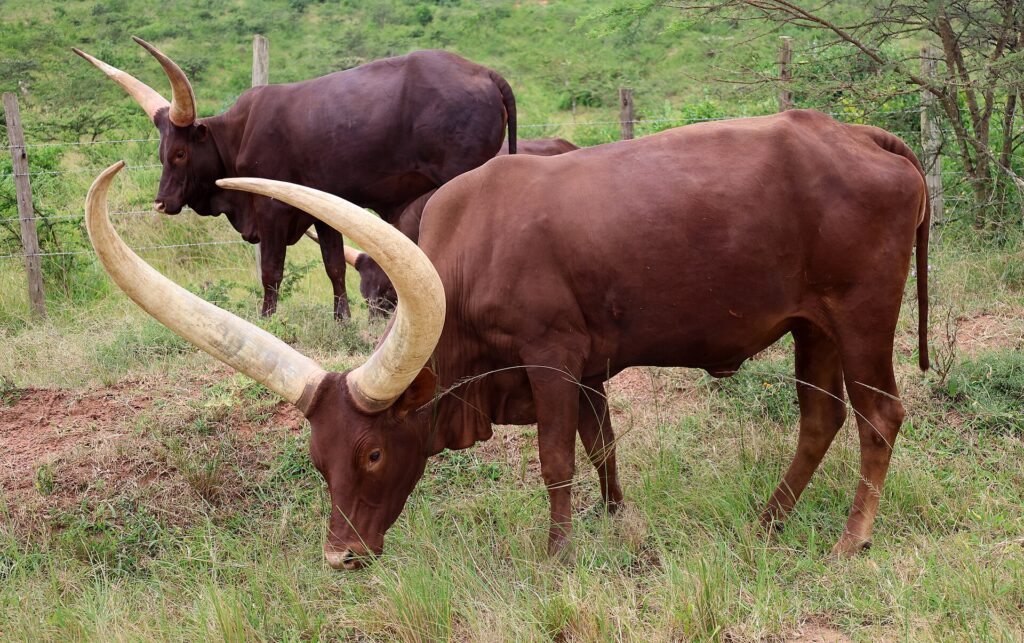
Dinka and Nuer of South Sudan, Maasai of Kenya and Tanzania, Acholi of northern Uganda and South Sudan of the East African savannah and the Nile Basin, whose lives turn on their cattle.
Dinka, Nuer & Maasai
The culture
Dinka and Nuer of South Sudan, Maasai of Kenya and Tanzania, Acholi of northern Uganda and South Sudan of the East African savannah and the Nile Basin, whose lives turn on their cattle.
Where
East Africa — the Nile Basin, South Sudanese savannah, and the East African Rift grasslands
Time depth
Ancient, Nilotic pastoralism spans thousands of years. The cattle-centered cosmology and the ox-song tradition are deeply old and continuously practiced.
Living tradition
Yes. Actively lived, though disrupted by conflict, displacement, and climate pressure in the Sudans, and by land loss for the Maasai. The cattle relationship and oral traditions continue.
Language
Dinka, Nuer (Thok Naath), Maa (Maasai), Acholi, Nilotic languages. The ox-song (the personal song a man composes for his favorite ox and himself) is a signature poetic form. Praise poetry, cattle-color vocabulary of extraordinary richness, oral genealogy, and song.
The world of its stories
Cosmological Structure
A sky above and earth below, once close and now separated. Among the Dinka, Nhialic is the sky-divinity, the source of life and rain; among the Nuer, Kwoth is Spirit, encompassing and pervading. The cattle stand between earth and sky as the sacred intermediary: the medium of exchange with the divine, the measure of all value, the link between human and divine orders.
Creation
A widely shared Nilotic motif: earth and sky were once joined by a rope or were very close, and Divinity lived near humankind. Through a human act (often a woman pounding grain and striking the sky, or human greed) the rope was cut and Divinity withdrew above, bringing death and separation into the world. Creation is thus also a story of lost closeness, and the tradition spirals around the effort to restore contact with the withdrawn sky.
Time
Cyclical and generational, the movement of the herds between wet-season and dry-season pastures, the age-set cycles (especially strong among the Maasai) that carry men through named stages of life, the return of the seasons and the rains. Time spirals through the herding year and through the generations, each return to the cattle camp and the age-grade a deepening.
The Sacred
Cattle above all, sacred intermediaries, not mere property. The sky and rain (Nhialic/Kwoth). The age-set and its rituals. Sacrifice, the ox offered to restore relationship with Divinity. Colors and markings of cattle, which carry a whole symbolic language.
Death / Afterlife
Death entered the world with the separation of earth and sky. The dead join the ancestral order; among the Dinka, great "masters of the fishing-spear" were said to undergo a chosen ritual death, entering the earth alive to pass their life-force to the community, life given so that the people continue. The ancestors remain part of the moral and spiritual community.
Why Spiral Architecture
Nilotic story circles back, again and again, to the same center (the relationship between people, cattle, and the withdrawn Divinity) and each return deepens it. The herding year spirals through wet and dry seasons; the age-sets spiral men through named stages; the ritual of sacrifice returns repeatedly to restore the closeness lost when earth and sky separated. The tradition does not march to a final resolution; it spirals inward toward re-established relationship with the sky, knowing the gap will always need re-bridging.
Structural Logic
Return to the central relationship at deeper levels. Crisis (drought, death, discord) is a widening of the gap between earth and sky; resolution is a sacrifice or song that spirals back toward closeness. Re-bridging, again and again.
Structural Movement
The cattle camp and the world in relationship → the sky and earth, once close, now separated (the founding wound) → the sacred animal, the intermediary that bridges the gap → the test of the savannah (drought, raid, loss, the gap widening) → the ancient knowledge (the spear-master, the sacrifice, the ancestral way that re-bridges) → the song that remains, the relationship restored and deepened, the spiral turning once more.
Key figures
Supreme Being / Creator
Nhialic (Dinka): the sky-divinity, source of life, rain, and moral order, withdrawn above after the separation. Kwoth (Nuer), Spirit, singular and pervading, encountered in many forms (kwoth of the sky, kwoth of specific lineages and things). Enkai/Engai (Maasai), the divinity of sky and rain, with a benevolent black aspect and a vengeful red aspect.
Major Spirits / Forces
- The cattle, sacred intermediaries and the axis of the whole cosmology; the medium through which humans and Divinity relate.
- Free-divinities and lineage spirits (Dinka yeeth; Nuer kuth): powers that seize, possess, and speak through people.
- Enkai's two aspects (Maasai), the black God of rain and blessing, the red God of drought and wrath.
Trickster / Culture Hero
The Nilotic emphasis falls less on tricksters than on culture-figures and first ancestors, for the Dinka, Aiwel Longar, the first master of the fishing-spear, who brought the spear-master lineages and the power over life and death. Hare and other trickster tales exist in the wider region.
Ancestor Figures
The masters of the fishing-spear (Dinka) and lineage founders; the age-set ancestors. The special dead who gave their life-force to the community remain a living presence in ritual.
Who’s Who
Sacred elements
Sacred Objects
Cattle themselves, especially the display-ox and the sacrificial ox. The fishing-spear (Dinka), emblem of the spear-master's spiritual authority. Milk and the products of the herd. Among the Maasai, the ceremonial objects of the age-set rites.
Sacred Places
The cattle camp (Dinka wut / luak byre), center of ritual and social life. The rivers and dry-season grazing grounds. Sacred trees and sites of sacrifice. The Maasai enkang (homestead) and ceremonial grounds.
Sacred Practices
Cattle sacrifice to restore relationship with Divinity, the central ritual act. The composing and singing of ox-songs. The age-set initiations and their long cycles. Invocation of Nhialic/Kwoth at moments of crisis. The cattle-camp rituals of the herding year.
Sacred Prohibitions
Do not treat cattle as mere wealth to be squandered. They are sacred intermediaries. Respect the fishing-spear masters and the age-set order. Honor the obligations of sacrifice; a broken relationship with Divinity brings drought and death. Observe the taboos of one's clan and cattle-color line.
How their stories are told
How Stories Are Told
Through song above all, the ox-song, in which a man sings himself and his ox as one, is the signature form. Through praise poetry, genealogical recitation, invocation, and tales told in the cattle camp. The color-language of cattle is itself a poetic vocabulary. Story spirals around the relationship between people, cattle, and the withdrawn sky.
Who Tells Them
Every herder composes ox-songs. Masters of the fishing-spear and elders lead invocation and sacrifice. Age-set members carry the ceremonial songs. Women hold significant song traditions and the domestic sacred.
When They Are Told
At sacrifice and invocation, at the age-set rites, in the cattle camp, at moments of drought or crisis when Divinity must be addressed, and in the ordinary poetry of pastoral life.
The Purpose of Story
To restore and maintain the relationship with Divinity and the ancestral order, often to bring rain, healing, or reconciliation. Story and song are instruments of relationship across the gap that opened when earth and sky separated. They spiral back, again and again, toward restored closeness with the divine.
Signature Story Types
Ox-songs, the earth-and-sky separation myth, invocations and sacrifice narratives, the deeds of Aiwel Longar and the spear-masters, age-set and cattle-raid narratives, drought-and-rain stories.
How their stories are built, step by step
English descriptive names drawn from the Nilotic pastoral and cosmological world.
The Cattle Camp (The World in Relationship)
Cultural meaning
The story opens in the cattle camp, the center of Nilotic life, where people and cattle live in intimate relationship and the whole social and sacred order is present. Before any crisis, establish the living web of relationship: herder and ox, family and herd, community and the rhythm of the grazing year.
In brief
A man without cattle is a poor man; a man without a herd has no bridge to Divinity.
Cultural teaching
In Nilotic tradition, cattle are the sacred bridge between people and the divine. Open your story inside that relationship. Your protagonist belongs to a herd, a camp and a lineage, and through the cattle to the sky itself.
The Sky and the Earth (The Founding Separation)
Cultural meaning
The Nilotic cultures remember that earth and sky were once close (joined by a rope, or Divinity dwelt near) until a human act severed them and Divinity withdrew above, bringing death and distance. This is the founding wound the whole tradition spirals around. Establish your story's version: the closeness that was lost, the gap that must be bridged.
In brief
In the time of the rope, the sky was near, and there was no death. Then the rope was cut.
Cultural teaching
The Nilotic cosmos is defined by a lost closeness. Give your story a founding separation, a gap between what is and what was once whole, between people and the source of life. This gap is a wound, and the whole spiral of the story is the effort to bridge it, knowing it will never fully close.
The Sacred Animal (The Intermediary That Bridges)
Cultural meaning
The cattle stand between earth and sky as the sacred intermediary, the medium of exchange with Divinity, the offering that can bridge the gap. This step establishes the bridge: the sacred thing, being, or relationship through which contact with the lost closeness can be renewed.
In brief
The ox is given to Divinity so that the people may live.
Cultural teaching
In this tradition the bridge across the gap is sacred and often costly, the ox given in sacrifice, life offered so life may continue. Let your story have a real intermediary, a sacred medium (a gift, a life, a relationship) through which closeness with the source can be renewed.
The Test of the Savannah (The Gap Widens)
Cultural meaning
Crisis strikes, drought, cattle-raid, death, discord. In Nilotic understanding, these are the gap between earth and sky widening: Divinity grown distant, the relationship strained, the rains withheld. The savannah tests the people. The intermediary alone is not enough; something deeper must be recovered.
In brief
When the rain does not come, the sky has not forgotten the people; it is the people who must find the way back.
Cultural teaching
Frame your story's crisis as a widening of the founding gap, not the arrival of a villain. Drought, loss, and discord are signs that the relationship with the source has strained. The test is a distance to cross again, and it drives the protagonist toward the old knowledge that can bridge it.
The Ancient Knowledge (The Way That Re-Bridges)
Cultural meaning
The people turn to the ancient knowledge, the master of the fishing-spear, the great sacrifice, the ancestral way of re-establishing closeness with Divinity. Among the Dinka, the spear-master might even give his own life, entering the earth alive so his life-force sustains the community. This is the deep return: the recovery of the ancestral means of bridging the gap.
In brief
The spear-master goes into the earth living, so that the life he carries stays with his people.
Cultural teaching
The re-bridging draws on ancestral knowledge, and often on sacrifice, someone or something gives itself so the relationship is restored. Let your story's turn toward resolution be a return to deep, old knowledge and a real cost paid. This is the spiral's deepest inward turn: the recovery of an old way.
The Song That Remains (Relationship Restored and Deepened)
Cultural meaning
The relationship is restored, the rains return, the herd is renewed, the community continues. And what remains is the song: the ox-song, the praise, the invocation that will be sung again when the gap widens next. The spiral has turned; closeness is renewed and deeper for the crossing, and the song carries the way forward for the next turning.
In brief
I sing my ox, and I sing myself, and the song will be sung when I am gone.
Cultural teaching
End not with a permanent closing of the gap, the Nilotic cosmos knows the separation is the human condition, but with the relationship renewed, deepened, and carried in song for the next turning of the spiral. The song is what remains: the memory and means of re-bridging, passed on. Close on the song, not on a final victory.
What makes this tradition distinct
What makes this tradition distinct from all others
The Nilotic cultures center an entire cosmology on cattle as the sacred bridge between humanity and Divinity, a relationship of a depth found almost nowhere else. The earth-and-sky separation myth gives the tradition a founding wound of lost closeness that it spirals endlessly to bridge. The ox-song, a man singing himself and his favorite ox as one being, is a poetic form unique in world literature. And the Dinka image of the spear-master choosing to enter the earth alive, giving his life-force to his people, is one of the most striking sacrifice-motifs in any tradition.
Cultural warnings — what NOT to do
- Do not reduce cattle to livestock or "wealth". They are sacred intermediaries; missing this misses the entire cosmology.
- Do not conflate the distinct cultures (Dinka, Nuer, Maasai, Acholi) into one generic group: name specific cultures and their specific divinities (Nhialic, Kwoth, Enkai).
- Do not frame the crisis as a war to be won, Nilotic resolution is re-bridging a relationship, often through sacrifice.
- Do not exoticize or romanticize. These are living cultures facing real conflict, displacement, and climate pressure today.
The stories
Each story with its source, where to read it and why it fits.
The StoryWorld in Full
StoryWorld · East Africa — the Nile Basin, South Sudanese savannah, and the East African Rift grasslands
NILOTIC — Dinka / Nuer / Maasai
Spiral architecture
The world as they see it
Cosmological Structure. A sky above and earth below, once close and now separated. Among the Dinka, Nhialic is the sky-divinity, the source of life and rain; among the Nuer, Kwoth is Spirit, encompassing and pervading. The cattle stand between earth and sky as the sacred intermediary — the medium of exchange with the divine, the measure of all value, the link between human and divine orders.
Creation. A widely shared Nilotic motif: earth and sky were once joined by a rope or were very close, and Divinity lived near humankind. Through a human act — often a woman pounding grain and striking the sky, or human greed — the rope was cut and Divinity withdrew above, bringing death and separation into the world. Creation is thus also a story of lost closeness, and the tradition spirals around the effort to restore contact with the withdrawn sky.
Time. Cyclical and generational — the movement of the herds between wet-season and dry-season pastures, the age-set cycles (especially strong among the Maasai) that carry men through named stages of life, the return of the seasons and the rains. Time spirals through the herding year and through the generations, each return to the cattle camp and the age-grade a deepening.
The Sacred. Cattle above all — sacred intermediaries, not mere property. The sky and rain (Nhialic/Kwoth). The age-set and its rituals. Sacrifice — the ox offered to restore relationship with Divinity. Colors and markings of cattle, which carry a whole symbolic language.
Death / Afterlife. Death entered the world with the separation of earth and sky. The dead join the ancestral order; among the Dinka, great "masters of the fishing-spear" were said to undergo a chosen ritual death, entering the earth alive to pass their life-force to the community — life given so that the people continue. The ancestors remain part of the moral and spiritual community.
The powers and figures
Supreme Being / Creator
Nhialic (Dinka) — the sky-divinity, source of life, rain, and moral order, withdrawn above after the separation. Kwoth (Nuer) — Spirit, singular and pervading, encountered in many forms (kwoth of the sky, kwoth of specific lineages and things). Enkai/Engai (Maasai) — the divinity of sky and rain, with a benevolent black aspect and a vengeful red aspect.
Major Spirits / Forces
The cattle — sacred intermediaries and the axis of the whole cosmology; the medium through which humans and Divinity relate.
Free-divinities and lineage spirits (Dinka yeeth; Nuer kuth) — powers that seize, possess, and speak through people.
Enkai's two aspects (Maasai) — the black God of rain and blessing, the red God of drought and wrath.
Trickster / Culture Hero
Ancestor Figures
Sacred things and places
Sacred Objects. Cattle themselves — especially the display-ox and the sacrificial ox. The fishing-spear (Dinka), emblem of the spear-master's spiritual authority. Milk and the products of the herd. Among the Maasai, the ceremonial objects of the age-set rites.
Sacred Places. The cattle camp (Dinka wut / luak byre), center of ritual and social life. The rivers and dry-season grazing grounds. Sacred trees and sites of sacrifice. The Maasai enkang (homestead) and ceremonial grounds.
Sacred Practices. Cattle sacrifice to restore relationship with Divinity — the central ritual act. The composing and singing of ox-songs. The age-set initiations and their long cycles. Invocation of Nhialic/Kwoth at moments of crisis. The cattle-camp rituals of the herding year.
Sacred Prohibitions. Do not treat cattle as mere wealth to be squandered — they are sacred intermediaries. Respect the fishing-spear masters and the age-set order. Honor the obligations of sacrifice; a broken relationship with Divinity brings drought and death. Observe the taboos of one's clan and cattle-color line.
How the stories are told
How Stories Are Told. Through song above all — the ox-song, in which a man sings himself and his ox as one, is the signature form. Through praise poetry, genealogical recitation, invocation, and tales told in the cattle camp. The color-language of cattle is itself a poetic vocabulary. Story spirals around the relationship between people, cattle, and the withdrawn sky.
Who Tells Them. Every herder composes ox-songs. Masters of the fishing-spear and elders lead invocation and sacrifice. Age-set members carry the ceremonial songs. Women hold significant song traditions and the domestic sacred.
When They Are Told. At sacrifice and invocation, at the age-set rites, in the cattle camp, at moments of drought or crisis when Divinity must be addressed, and in the ordinary poetry of pastoral life.
The Purpose of Story. To restore and maintain the relationship with Divinity and the ancestral order — often to bring rain, healing, or reconciliation. Story and song are instruments of relationship across the gap that opened when earth and sky separated. They spiral back, again and again, toward restored closeness with the divine.
Signature Story Types. Ox-songs, the earth-and-sky separation myth, invocations and sacrifice narratives, the deeds of Aiwel Longar and the spear-masters, age-set and cattle-raid narratives, drought-and-rain stories.
The stories
The Separation of Earth and Sky
Source Dinka and wider Nilotic oral tradition; Divinity and Experience (1961)
Public domain access The Dinka's own tradition
Why it fits The founding wound of lost closeness that the whole tradition spirals to bridge — the origin of the spiral architecture
Aiwel Longar, the First Master of the Fishing-Spear
Source Dinka oral tradition — the culture-hero who brought the spear-master lineages and power over life and death
Public domain access The Dinka's own tradition
Why it fits The ancient knowledge and sacrificial power that re-bridges the gap — the spiral's deepest inward turn
The Ox-Song
Source Dinka and Nuer ox-song tradition — the personal songs in which a man sings himself and his favorite ox as one
Public domain access Recorded and ethnomusicological collections of Nilotic song; academic archives via Internet Archive
Why it fits The song that remains — relationship carried forward in a form sung again and again, the spiral renewing through poetry
How their stories move
Return to the central relationship at deeper levels. Crisis (drought, death, discord) is a widening of the gap between earth and sky; resolution is a sacrifice or song that spirals back toward closeness. Not conquest but re-bridging, again and again.
This culture
People · Dinka and Nuer of South Sudan, Maasai of Kenya and Tanzania, Acholi of northern Uganda and South Sudan — Nilotic cultures of the East African savannah and the Nile Basin, defined by a profound relationship with cattle.
Place · East Africa — the Nile Basin, South Sudanese savannah, and the East African Rift grasslands
Depth · Ancient — Nilotic pastoralism spans thousands of years. The cattle-centered cosmology and the ox-song tradition are deeply old and continuously practiced.
Living · Yes — actively lived, though disrupted by conflict, displacement, and climate pressure in the Sudans, and by land loss for the Maasai. The cattle relationship and oral traditions continue.
Spiral worlds
AMAZONIAN — Shamanic Vision Journey
CELTIC — The Spiral
FOREST PEOPLES — Mbuti / Baka
KOREAN PANSORI — Joseon Performance
MANDÉ / GRIOT — Performance Pattern
SAN / KHOISAN — Bushmen Click Stories
SUFI / RUMI — Masnavi
Mythology Catalog
- Why it fits: The founding wound of lost closeness that the whole tradition spirals to bridge — the origin of the spiral architecture
Story 2: Aiwel Longar, the First Master of the Fishing-Spear
- Why it fits: The song that remains — relationship carried forward in a form sung again and again, the spiral renewing through poetry
GriotsWell · Simplified Lore Library · Nilotic (Dinka/Nuer/Maasai) · July 2026
The Guide
GriotsWell StoryWorlds · Guide
Nilotic cattle-keeping traditions — Dinka (Muonyjang), Nuer (Naath), Maasai, Acholi
Spiral architecture · 6 steps
How it moves
- The Cattle Camp — The World in Relationship
- The Sky and the Earth — The Founding Separation
- The Sacred Animal — The Intermediary That Bridges
- The Test of the Savannah — The Gap Widens
- The Ancient Knowledge — The Way That Re-Bridges
- The Song That Remains — Relationship Restored and Deepened
The cattle camp and the world in relationship → the sky and earth, once close, now separated (the founding wound) → the sacred animal, the intermediary that bridges the gap → the test of the savannah (drought, raid, loss — the gap widening) → the ancient knowledge (the spear-master, the sacrifice, the ancestral way that re-bridges) → the song that remains, the relationship restored and deepened, the spiral turning once more. ---
Why it is told this way
Return to the central relationship at deeper levels. Crisis (drought, death, discord) is a widening of the gap between earth and sky; resolution is a sacrifice or song that spirals back toward closeness. Not conquest but re-bridging, again and again.
To restore and maintain the relationship with Divinity and the ancestral order — often to bring rain, healing, or reconciliation. Story and song are instruments of relationship across the gap that opened when earth and sky separated. They spiral back, again and again, toward restored closeness with the divine.
What this StoryWorld asks
- Is there a sacred intermediary — a cattle-like bridge — between your people and the divine?
- Is your story's crisis a widening of a founding separation rather than a villain's attack?
- Does resolution come through sacrifice and ancestral knowledge rather than conquest?
- Does your story end in a song that will be sung again, carrying the way forward?
At a glance
People Dinka and Nuer of South Sudan, Maasai of Kenya and Tanzania, Acholi of northern Uganda and South Sudan — Nilotic cultures of the East African savannah and the Nile Basin, defined by a profound relationship with cattle.
Region East Africa — the Nile Basin, South Sudanese savannah, and the East African Rift grasslands
Time depth Ancient — Nilotic pastoralism spans thousands of years. The cattle-centered cosmology and the ox-song tradition are deeply old and continuously practiced.
Living tradition Yes — actively lived, though disrupted by conflict, displacement, and climate pressure in the Sudans, and by land loss for the Maasai. The cattle relationship and oral traditions continue.
How it is carried Dinka, Nuer (Thok Naath), Maa (Maasai), Acholi — Nilotic languages. The ox-song (the personal song a man composes for his favorite ox and himself) is a signature poetic form.
“A man without cattle is a poor man; a man without a herd has no bridge to Divinity.”— Dinka sentiment on cattle
Keep faith with it
- Do not reduce cattle to livestock or "wealth" — they are sacred intermediaries; missing this misses the entire cosmology. - Do not conflate the distinct cultures (Dinka, Nuer, Maasai, Acholi) into one generic group — name specific cultures and their specific divinities (Nhialic, Kwoth, Enkai). - Do not frame the crisis as a war to be won — Nilotic resolution is re-bridging a relationship, often through sacrifice.