
↻Spiral Architecture
An Architecture of Story
A story that keeps returning to the same living centre, a line, a bond, a wound, a longing, and goes deeper with every return. The past is present at each turn, what is carried grows heavier, and the story comes home to its centre understood more deeply than when it left, with a song to carry it round again.
The story circles a centre it can never use up. Each turn leaves the present for the deep past, the other world or the depth of feeling, and comes back carrying more. The same ground is met again and again, each time deeper, until the centre can be seen whole.
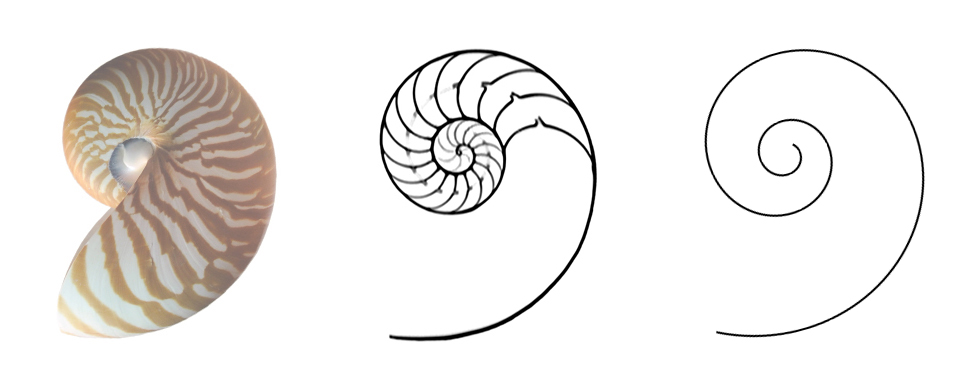
What Is an Architecture of Story?
An Architecture of Story is the shape of how a plot moves: not what happens, but the engineering logic of how it is built. It is not a genre, a theme or a style. It is the load-bearing shape underneath a plot, and it was found in the stories of the world's cultures, built up from the bottom.
Everything begins with a culture's own data: their stories themselves, their mythology, their nations and lineages, their history, their cosmology and the way they keep time. Each GriotsWell World Cultural (WC) StoryWorld is built from one culture's data and from no one else's. Lay the data of the StoryWorlds side by side and shapes show. Cultures on different continents, with no contact, move their stories the same way. Those shared shapes are the Architectures of Story.
Two stories from cultures who never met can answer the same four questions the same way. When they do, they share an architecture, however different their gods, landscapes and words.
- How does time move?
- Who is the protagonist?
- How does meaning build?
- What is resolution?
The shape of Spiral
The past sits beside the story. The griot makes the founding time present in the room; the San trance reaches the time of the First People; the Otherworld lies in the next valley, where a year can be centuries. Each turn of the story goes out into that deep time and returns to the present carrying it.
The protagonist is a life held within its line: a king foretold before his birth, a house paying for the last generation's deeds, a daughter and a blind father, a soul passing through its stations. In the forest and the cattle camp the whole community carries the centre through its generations.
Meaning builds by accumulation. The same centre is met again and again, and each meeting goes deeper and adds weight: the wrong done to Rhiannon returns as Branwen's, the Song of Parting deepens into the Prison Song, the molimo is sung every night for a month.
The story comes home to its centre and understands it more deeply: the rains return, han becomes heung, the drop returns to the ocean. The centre is not closed. Something remains (a song, a name, a rite) to carry the spiral round again.
Nine movements, one turning
The story turns inward toward its centre, passing the same axis again and again, closer each time: the same ground, deeper. Movement 2, the cut that sets the spiral turning, is marked in red.
Where the steps lead
Every step of an Architecture of Story leads to one goal: your story, made in that architecture. Each movement you work through becomes part of the plot, with your own people, places and events, and together the steps give you the whole plot blueprint, ready to write from.
It is a restructuring, not a retelling. Bring a story you know and the steps rebuild it in the architecture, moving, changing and adding events wherever the shape needs them. Bring your own idea and the steps build it from the start. Either way the blueprint is the plot, and the story is written from it.
That is the purpose of the work: to make stories, and to see one story made in different architectures, or in a culture's own WC StoryWorld.
A centre that is never used up
In Spiral, a story has a centre it keeps coming back to. For the griot it is the patron's lineage, sung back generation by generation to Bala Fasséké. For the Mbuti it is the bond with the forest that feeds them. For the Dinka it is the closeness to Divinity lost when Abuk's pestle struck the sky and the rope was cut. For Rumi it is the reed-bed the reed was cut from. For the pansori singer it is han, the sorrow that will not bend. The centre is a relationship or a wound that can never be used up, and it is almost always set turning by a cut: the rope, the reed, the first eland killed by those who loved it, an insult at a wedding feast, a lover forced to leave.
Someone carries the centre across time: a line of kings and the griots who sing them, a house paying for the last generation's deeds, a daughter and a blind father, a soul passing through its stations. The story leaves the present and goes out, into ancestral time, into the Otherworld, into trance, into the sea, and returns. Each return is deeper than the last. Rhiannon's wrong comes round again as Branwen's, darker. The Song of Parting deepens into the Song of Ten Blows and then the Prison Song. The molimo is sung every night for a month. Everything is met again at a greater depth, and what is carried grows heavier.
At the deepest point the centre asks for what is most valued: the best ox in the herd, a daughter's life given to the sea, the needle the man would rather avoid, the forbidden door opened, the self let go. Then the whole pattern is seen. Manawydan understands that every generation has paid for the last. Chunhyang looks up and sees the man she waited for. The young hunter understands in his own body why the eland must be followed slowly. The return comes home to the centre deepened: han turned to joy, the forest awake, the rains back, the drop returned to the ocean. It is not finished. The forest will sleep again and the gap will widen again, so the story ends on what carries it round once more: the ox-song, the genealogy with a new name in it, the festival kept each year, an ending that is already the seed of the next turn.
How a Spiral story moves
The Centre
A Spiral story circles a centre it can never use up: a lineage, a bond with the living world, a closeness lost, a longing, a sorrow. It sets out from a present gathering and keeps coming back to it.
- The jeli opens on the gathering and the patron's line, the present every turn of the performance will return to, richer each time.
- For the Mbuti the centre is the forest itself, mother and father, which gives meat, honey and water and is sung to every evening.
- In the Dinka cattle camp the settled order is people, cattle, river, rain and Divinity in their places: the order the story begins with and will spiral back to.
- For the pansori singer the centre is han, set in the opening tuning song: springtime joy that will turn toward sorrow.
- Before there were rivers or people, the forest already stood whole and silent, and Chameleon, high in a great tree, heard something murmuring inside the trunk.
The centre is a living relationship or wound that can never be used up: a lineage, the bond with the forest, the closeness to Divinity, the reed-bed, han. It is not a mystery with one answer. The story also begins in a present (the griot's patron and gathering, the cattle camp, the hungry band at the fire) and keeps coming back to it.
The Cut
The spiral is set turning by a cut: a separation, a loss or an old wrong at the centre. It is rarely an enemy. It opens a distance the story will keep trying to cross.
- Earth and sky were joined by a rope until Abuk, planting more than was allowed, struck Divinity with her pestle. Divinity withdrew and sent the blue bird to cut the rope, and since then people labour and die.
- The reed was cut from the reed-bed, and its music is the cry of that separation: a reed still in the bed makes no song.
- /Kaggen raised the first eland in secret in the reeds, and it was killed by those he loved.
- At Pwyll and Rhiannon's wedding feast Gwawl was tricked into a bag and beaten, an old wrong that would come back years later as an enchantment over all Dyfed.
- Mongnyong's father is called to Seoul, and Chunhyang weeps at the Ojak bridge as he rides away.
- A man of the forest came to Tore's home while Tore was away, found his old mother sitting by the flames, and did not ask: he took the fire and ran.
Abuk's pestle struck the sky and the rope was cut. The reed was cut from the reed-bed, and its music is the longing to return. /Kaggen's eland was killed by those he loved. An insult at Pwyll's wedding feast came back as an enchantment years later. Mongnyong had to leave for Seoul. The cut is rarely an enemy; it is the opening of a distance the story keeps trying to close.
The One Who Carries It
Someone carries the centre across time: a life held within its line, a house paying for the last generation, a soul through its stations. Beside them a voice makes the past present, and the past is spoken into the room.
- The Kouyaté opens: 'I am Kouyaté, son of Bala Fasséké, who was the griot of Sundiata', and names his fathers back, generation by generation, fifteen, twenty, more names, until the listeners hear the line itself.
- Pryderi, the stolen child restored, inherits his father's Otherworld friendship, and the debts of his father's deeds.
- Rhiannon is made to sit by the horse-block at Arberth for seven years and tell every stranger her story: a woman made to repeat the account of an injustice until the truth catches up with it.
- //Kabbo, the master tracker, tells the young hunter /Kaggen's story again, slowly, at the fire.
- Chameleon, who had no strength, only the patience to stay still long enough to hear, took an axe to the tree, small stroke after small stroke. A boy heard the most beautiful song in the forest and carried the bird home to the camp so everyone could hear it.
The protagonist of Spiral is a life held within its line. Sundiata is foretold before his birth. Pryderi pays for and inherits Pwyll's bargains. Sim Cheong gives her life for her father. The reed is the soul. Beside them, someone often holds the line aloud: the Kouyaté naming his fathers, the spear-master invoking, the singer and drummer, //Kabbo at the fire. The past is spoken into the room.
The First Turn
The story leaves the present and goes out: into ancestral time, the Otherworld, the spirit world, the depth of feeling. It comes back with a first understanding, true but not yet whole.
- The jeli departs from the patron's line into the chronicle of the kings and returns, enriched; then departs again.
- Pwyll changes shapes with Arawn and rules Annwn for a year, keeping his bargain perfectly. That year is the seed every later branch will turn on.
- In the trance dance the healer goes down into n|om and the spirit world and comes back to the circle carrying what was gathered there.
- Mongnyong and Chunhyang swear to marry and sing the Love Song; then comes the first deep turn into han, the Song of Parting.
- Tore chased the man through the forest but could not catch him, and the fire reached the people still burning. The tree opened, and the water poured out and became the rivers of the Ituri, and with it came the first man and woman.
The jeli departs into ancestral time and returns to the patron's line, enriched. Pwyll's year in Annwn is the seed that every later branch will turn on. The Song of Parting is the first deep turn into han. The first turn shows the centre at its surface, and what the carrier understands is true but not yet whole.
The Deepening Turns
The pattern comes round again, and again, each time deeper. The same ground is met at a greater depth, and what the story carries grows heavier with every return.
- Rhiannon's wrong returns as Branwen's, darker: punished for her brother's insult, struck every day in the kitchen, until a starling crosses the sea and two islands go to war.
- The Song of Parting deepens into the Song of Ten Blows, a verse for each blow, and then into the Prison Song sung to the moon and the wild geese.
- Each night for a month the men sing the molimo and the trumpet answers from the trees, more fully every night.
- The herding year turns between the rains and the dry season, and every drought is the old separation widening once more.
- The Masnavi moves story into story, digression into teaching, and every tale circles back to the reed's lament at a deeper level.
- Three days the boy brought the bird home and begged food for it, and three times his father gave it more grudgingly.
Rhiannon's wrong returns as Branwen's, darker; then Manawydan meets it a third time and begins to see it. Chunhyang's han deepens through the Song of Ten Blows into the Prison Song. The molimo is sung every night for a month. The herding year turns through rain and drought. No turn repeats the last; each meets the same centre at a greater depth and adds weight.
The Deepest Point
At the deepest point the centre asks for what is most valued: the costliest gift, the hardest endurance, the self let go.
- The spear-master invokes over the finest ox for hours until it is heavy with the people's words, and its life is given upward. The best ox, the one a man loves and sings about, may be the one that must be given.
- Sim Cheong sells herself to the sailors and throws herself into the sea at Indangsu to win her blind father's sight.
- Bala Fasséké opens the forbidden door in Soumaoro's palace, sits among the heads of nine kings, and plays the Sosso Bala.
- Manawydan holds the mouse over the gallows on the hill at Arberth and refuses every price until all that must be undone is named.
- Rumi's seeker must endure the needle: if you cannot bear a pin-prick, how will you become a lion? The way passes through fana, dying before death.
- Tore came home to find his mother dead of the cold, and spoke the answer: the people would die too. On the third day the father took the bird from his son and killed it, and when he killed the song he killed himself, and he was dead forever.
The finest ox, the one a man loves and sings about, is the one given. Sim Cheong throws herself into the sea at Indangsu. Bala Fasséké opens the door no one may open. Manawydan holds still and refuses every price. Rumi's seeker must bear the needle and die before dying. The deepest point is where the centre is reached, and it costs.
The Recognition
Then the whole spiral is seen at once. The pattern behind every turn is understood, and everything before it is reread.
- Manawydan understands that every misfortune of the branches was the slow answer to the old offence, and that each generation paid for the last.
- 'Look up,' says the royal inspector, and Chunhyang sees the man she has waited for.
- Sim Hak-gyu, last at the feast for the blind, hears his daughter's voice, cries 'Cheong-a! Is it you?', and his eyes open.
- The young hunter who wanted to run understands at the kill why the slow way taught by /Kaggen's story was the only way the band would eat.
- On the last nights of the molimo the men's voices and the forest's voice weave together until no one can tell which is calling and which is answering.
- The forest cultures do not tell Tore's Fire as the story of a thief who got away with something: what they have, they have from the forest, and what the forest gives, it also takes back. The bird was not just a bird; its song was the forest's own song.
Manawydan understands that every misfortune of the branches answered one old offence, and that each generation paid for the last. 'Look up,' and Chunhyang sees the man she waited for. Sim Hak-gyu hears his daughter's voice and his eyes open. The young hunter understands why the eland must be followed slowly. The shepherd passes beyond words. Recognition makes the opening readable as it truly was.
The Return Deepened
The story comes home to its centre, changed. It is the same ground, understood more deeply than when the story set out: not a victory and not an ending.
- The rains come back, and the Dinka do not say they have won. They say Divinity has heard them and turned back toward them, and the relationship is deeper because they have crossed the gap again.
- Chunhyang's han is changed into heung, exhilaration, and the sorrow that lingers is what makes the release beautiful.
- Manawydan's promise lifts the mist from Dyfed, the houses fill, and the cycle of revenge is closed by a peace that binds the future.
- The Mbuti camp is not simply back where it began: Balekimito's death is held inside the forest's care, and the bond is stronger, like a rope that has been pulled and held.
- The drop returns to the ocean, and the reed hollowed of itself becomes the instrument through which the Beloved sings.
- Every evening the fire is lit in the middle of the camp, and every death in the camp is a return of what is owed. Every river the forest cultures cross is the water from the tree, and every child born in the camp is one more of those who came out on the flood.
The rains return and the people say Divinity has turned back toward them. The forest is awake and the bond is stronger. Han is changed into heung. Dyfed's houses fill again and the cycle of revenge is closed by a promise. The drop returns to the ocean. The return is not a victory and not an ending: the centre is the same, and it is known more deeply.
The Song That Carries On
The spiral will turn again. The forest will sleep again and the gap will widen again, so the story ends on what will carry it round: a song, a name added to the line, a rite kept, an ending that is already a seed.
- The young man whose ox was given composes a song about the drought and the rain, and it travels from camp to camp. The rope was cut long ago, but the song is a kind of rope too.
- The Kouyaté keep the Sosso Bala at Niagassola, and whenever the epic is sung, Bala Fasséké plays again.
- Every year on the night of Rumi's death, his wedding night, the Sema is turned in Konya.
- Each ending in the Mabinogi is a seed: a name, a place, a holed stone, an owl's cry in the night, waiting for the next teller.
- Taliesin, reborn from the cauldron's chase, sings: 'I have been many shapes.'
- The story of the bird is told to children, who still stop in their tracks for a beautiful sound: the forest's song and the people's life are the same song. Tore's Fire is told by the fire it explains.
The young man composes the ox-song about the year the rains came back, and it travels from camp to camp: the rope was cut long ago, but the song is a kind of rope too. The jeli adds the new deeds to the line. The Sema is turned on Rumi's wedding night every year. Each ending in the Mabinogi is a seed for the next teller. Spiral closes by handing the centre on.
When Spiral deepens, and when it only repeats
What makes it work
Choose a centre deep enough to be met many times, a living bond or wound rather than a puzzle with one answer. The past should be present in the telling (the line named, the ancestor spoken into the room), and someone has to carry the centre across time. Each return must be visibly deeper than the last, so the weight builds. The deepest point should cost what is most valued, and the recognition should change how everything before it reads. At the end the story comes home to the centre, changed, and leaves something that will carry it round again.
What breaks it
Spiral fails as soon as the returns become repetition: the same ground at the same depth. A centre too shallow for more than one pass, or one the writer cannot name, gives the turns nothing to circle. So does a past treated as backstory, or a story that drops its centre to chase a new goal. A deepest point that costs nothing, and an ending that closes the centre for good, are the other two traps.
The cultures' own ways of telling
Each WC StoryWorld under Spiral is one culture's own way of telling. The Mandé griots, the forest cultures, the Nilotic cattle cultures, the San, the Welsh and Irish tellers, Korean pansori and Rumi's Masnavi all keep coming back to a living centre.
The jeli opens on the present gathering and the patron's line, then goes out into ancestral time and comes back, again and again, each return heavier. The Kouyaté who sings how Bala Fasséké opened Soumaoro's forbidden door and played the Sosso Bala is singing his own family's charter, naming his fathers back, fifteen, twenty, more names, until the listeners hear the line itself. Sundiata crawls for seven years, goes into exile and returns as Mansa. And the order he founds gives the griots the story to keep, so that whenever the epic is sung Bala Fasséké plays again.
The jeli is a hereditary keeper of memory, and the patron-griot bond is a covenant between families across generations. In jaliya the music and the story are one, and the performance is an accumulation, each return adding to what came before.
/Kaggen made the first eland from a piece of shoe leather and raised it in the reeds, and it was killed by those he loved. From his grief came the moon and the rules of the hunt. In the dry season the young hunter who doubts the old rules is told the story again, slowly, at the fire, and learns in his own body on the long stalk why the wounded eland must be followed without running. The trance dance goes down into n|om and the spirit world and comes back carrying healing.
San knowledge is one of the most detailed ecological knowledge systems on Earth, and survival knowledge and spiritual knowledge are the same knowledge. The trance dance is at once a medical system, a way of communicating and a spiritual practice. The stories are told at night, at the fire.
When Balekimito dies and the hunts fail, the Mbuti do not look for someone to blame. They say the forest is sleeping, and every night for a month they sing the molimo until the forest answers, and calling and answering can no longer be told apart. The bond comes back stronger, like a rope that has been pulled and held. The forest will sleep again, and the molimo will be brought out of the stream again: the shape of the relationship is drift and return.
These are living cultures with an ancient, complete cosmology. Misfortune is understood as a relationship weakened, and the turning point belongs to the whole community. The molimo is told here as the published record has it; its inner matters, and Jengi, are kept by the Mbuti and the Baka themselves.
Earth and sky were joined by a rope until Abuk's pestle struck Divinity and the blue bird cut it. Every drought, sickness and death is that separation widening, and every sacrifice narrows it. The finest ox is invoked over until it is heavy with the people's words, and given. The rains come back and the relationship is deeper, not because the gap has closed but because the people have crossed it again. What remains is the ox-song: the rope was cut long ago, but the song is a kind of rope too.
Cattle are sacred intermediaries between people and Divinity. The Dinka, Nuer, Maasai and Acholi are distinct cultures with their own divinities (Nhialic, Kwoth, Enkai), and Nilotic resolution re-bridges a relationship, often through sacrifice.
The Four Branches of the Mabinogi turn on one seed, Pwyll's year in Annwn, and it returns at every level. Rhiannon is wrongly punished and her son restored. Branwen is wrongly punished and two islands die. Manawydan, holding a mouse over the gallows at Arberth, sees that every misfortune was the slow answer to an old offence, and ends the turn with a promise that binds the future. Bran comes home from the Otherworld to find centuries gone. Taliesin, reborn from the cauldron's chase, sings: I have been many shapes.
The Irish and Welsh traditions are distinct, each with its own tales and tellers. The Otherworld is close, interpenetrating the human world, and each return in the spiral is deeper than the last.
The Masnavi opens with the reed cut from the reed-bed, whose music is its longing to return. Rumi's own poem moves the way the Sema does, story opening into story and every tale circling back to the reed's lament at a deeper level, as the dervishes turn around their centre. The seeker passes the stations of the soul to fana, the dying before dying, and the drop returns to the ocean. The night of Rumi's death is kept as his wedding night, and the reed's lament is answered each time the ney is played.
Sufism is a mystical tradition within Islam, and Rumi was a devout Muslim scholar. The Beloved is God; human love opens onto the divine. Fana is the tradition's most demanding teaching, the annihilation of the separate self, and the Sema is prayer.
The singer and drummer return again and again to the protagonist's han, each time deeper: Chunhyang's Song of Parting, then the Song of Ten Blows, then the Prison Song. The audience's chuimsae lifts the singer higher. At the deepest point, with Chunhyang in the cangue and Sim Cheong thrown into the sea, the turn comes: 'look up', 'Cheong-a! Is it you?', and the han is changed into heung, exhilaration. The sorrow lingers, and that is what makes the release beautiful. The Chunhyang festival is held every spring.
Han is a complex, culturally specific feeling of sorrow, longing and endurance. Pansori is a total art of song, speech and gesture, performed by singer and drummer together, and its climax is shared, lifted by the chuimsae.
Where a people hold the past as present and keep returning to what matters most, their stories spiral: each return goes deeper, and understanding is what accumulates. For a writer, Spiral is the architecture for stories of lineage, longing, grief and devotion, stories whose meaning lives in what comes round again and is understood more deeply each time.
Words from the StoryWorlds
- Jeli (griot)Mandé
- The hereditary keeper of memory, genealogy and praise, who makes the ancestors present through music and words.
- JaliyaMandé
- The whole art of the jeli: music, genealogy, history, praise and teaching, performed as one.
- NyamaMandé
- The invisible force that flows through all living things, released when deeds are named aloud.
- Sosso BalaMandé
- Soumaoro's sacred balafon, played by Bala Fasséké and kept by the Kouyaté at Niagassola.
- /KaggenSan
- The Mantis, first being, creator and trickster, who made the first eland from a piece of shoe leather.
- N|omSan
- Potency that 'boils' in the healer's body during the trance dance and carries the healer into the spirit world.
- MolimoMbuti
- The sacred trumpet and the song-ceremony by which the people wake the sleeping forest.
- Nhialic, Kwoth, EnkaiDinka, Nuer, Maasai
- Divinity of the sky for the Dinka, Spirit for the Nuer, and the divinity of sky and rain for the Maasai.
- Spear-masterDinka
- A master of the fishing-spear, of the lineages descended from Aiwel Longar, who invokes Divinity for everyone.
- Ox-songDinka, Nuer
- The song in which a man sings himself and his favourite ox as one.
- AnnwnWelsh
- The Otherworld of the Mabinogi, ruled by Arawn.
- GeisIrish
- A sacred prohibition binding a hero, whose breaking brings doom.
- ImmramIrish
- A tale of a sea voyage into the Otherworld and back.
- AwenWelsh
- Poetic inspiration, from Ceridwen's cauldron.
- NeyPersian Sufi
- The reed flute, whose voice is the reed's lament of separation.
- SemaPersian Sufi
- The Mevlevi whirling ceremony, the turning around the centre in prayer.
- FanaPersian Sufi
- The dissolving of the separate self: dying before death.
- HanKorean
- A profound, resilient sorrow, longing and endurance.
- HeungKorean
- Exhilaration and joy, into which han is transformed.
- ChuimsaeKorean
- The drummer's and audience's shouts of encouragement ('eolssigu!', 'jota!') that lift the singer.
The stories behind Spiral
Stories as told in the GriotsWell Book of World Mythology, from the WC StoryWorlds under Spiral.
- The Separation of Earth and SkyDinka and wider Nilotic oral tradition; *Divinity and Experience* (1961)
- Aiwel Longar, the First Master of the Fishing-SpearDinka oral tradition; retold from the tradition
- The Origin of the BalafonMandé oral tradition — the story of how Bala Faseke (Sundiata's griot) stole Sumanguru's sacred balafon (the sosso-bala) and brought it to the Mandé people
- The Molimo — Waking the Sleeping ForestMbuti (Ituri forest) tradition — the great song-ceremony by which the people wake the sleeping forest and restore harmony when it has been disturbed by death or misfortune
- /Kaggen and the Creation of the Eland/Xam oral tradition, Cape Town, 1870s.
- The Origin of Death — the Moon and the Hare//Kabbo, Dia!kwain, /Han≠kass'o and the other /Xam tellers, told in /Xam in Cape Town, 1870–1879
- The Four Branches of the MabinogiLady Charlotte Guest, The Mabinogion (1849)
- The Voyage of BranImmram Brain; Kuno Meyer translation (1895)
- The Tale of Taliesin — Gwion Bach and the Cauldron of CeridwenHanes Taliesin; Lady Charlotte Guest, The Mabinogion (1849)
- The Song of the ReedRumi's Masnavi, the opening eighteen couplets — the ney's lament of separation
- The Man Who Wanted a Lion Tattooed on His BackJalal al-Din Rumi, Masnavi, Book I
- Moses and the ShepherdJalal al-Din Rumi, Masnavi, Book II
- Chunhyangga (The Song of Chunhyang)Pansori tradition — the faithful Chunhyang who endures torture rather than betray her love for Mongryong
- Simcheongga — The Song of Sim CheongKorean pansori tradition
- Heungboga — The Song of HeungboKorean pansori tradition
- Tore's Fire — How Fire and Death Came to the PeopleMbuti and Efe (Ituri forest) tradition; tellings vary, and in some the fire is taken from a great ape rather than from Tore
- The Chameleon Opens the Tree — How the Water and the First People CameMbuti and Efe (Ituri forest) tradition; tellings vary from band to band
- The Bird with the Most Beautiful SongMbuti (Ituri forest) tradition
Spiral at work
Tales set out in Spiral's steps: each one either in the form it is, or translated into Spiral from its own form.
Here Cinderella is translated into Spiral, following the Grimms' version: the story keeps coming back to one centre, the mother's grave and the hazel tree, and each return goes deeper. Translated this way, it brings out what the Grimms built into the tale: the three nights repeat on purpose, and the girl's strength comes from her mother's line.