Zulu & Xhosa — Izibongo
Nguni praise-poetry and calling tradition: izibongo, ukuthwasa, the amadlozi
Zulu (amaZulu), Xhosa (amaXhosa), Swazi (emaSwati), and Ndebele (amaNdebele): of KwaZulu-Natal, the Eastern Cape, Eswatini, and surrounding regions of southern Africa.
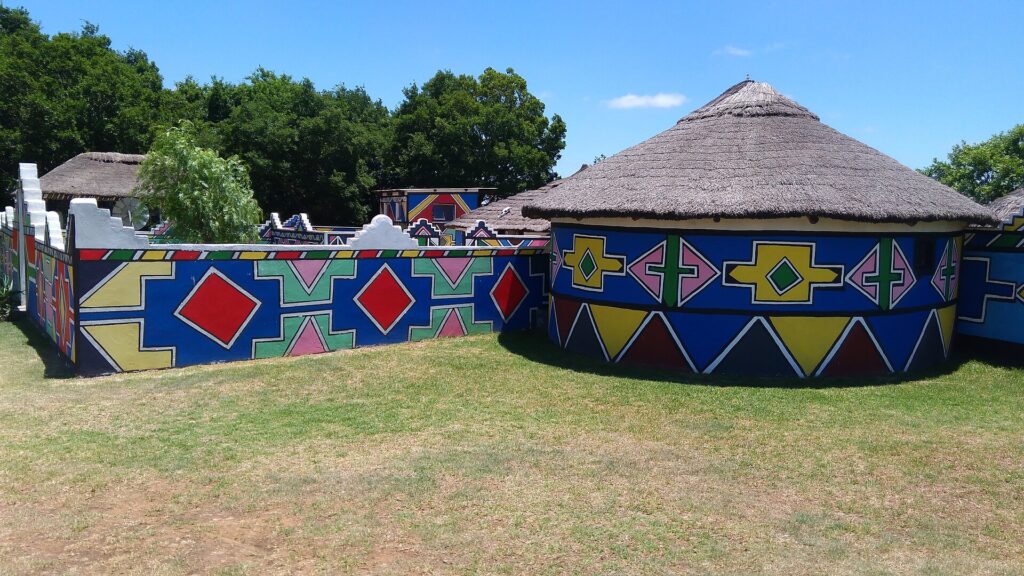
Zulu & Xhosa
The culture
Zulu (amaZulu), Xhosa (amaXhosa), Swazi (emaSwati), and Ndebele (amaNdebele): of KwaZulu-Natal, the Eastern Cape, Eswatini, and surrounding regions of southern Africa.
Where
Southern Africa — KwaZulu-Natal, Eastern Cape, Eswatini
Time depth
Centuries of continuous tradition; the izibongo praise-poetry form is ancient and reached extraordinary heights in the era of Shaka and the Zulu kingdom in the early 19th century. Living and evolving today.
Living tradition
Yes. Living and widely performed. Izibongo are still composed and performed for leaders and at ceremonies; the ukuthwasa calling of the sangoma (diviner-healer) is actively practiced; ancestral veneration (the amadlozi) remains central to Nguni life.
Language
isiZulu, isiXhosa, siSwati, isiNdebele, Nguni languages. The signature medium is izibongo: praise poetry performed by the imbongi (praise-poet) in a powerful, accumulating, declamatory style. Also song, ancestral invocation, and the click-consonant richness of the languages.
The world of its stories
Cosmological Structure
A high creator-god, uNkulunkulu (the Zulu "great-great-one," the first ancestor and source), distant from daily life; and the ever-present amadlozi (izinyanya in Xhosa): the ancestors, who are the active spiritual reality, mediating between the living and the divine. The living, the ancestors, and the not-yet-born form one continuous community. Umoya (spirit/breath/wind) animates all.
Creation
uNkulunkulu is said to have broken off from the reeds (uhlanga), the source from which humankind emerged. He established the customs, the cattle, the way of life, and then receded. Among the Xhosa, uThixo and Qamata name the high god. The emphasis is less on cosmic origin than on the descent of lineage and custom from the first ancestor to the present.
Time
Genealogical and accumulative, time runs through the line of ancestors, each generation adding to the praise-name and the legacy. The dead do not leave; they become amadlozi and continue to participate. Time is measured in lineage and in the accumulating deeds that make a name.
The Sacred
The ancestors (amadlozi) above all: honored through ritual, cattle sacrifice, beer, and invocation. Cattle, the sacred link to the ancestors and the measure of value. The izibongo, praise-names that carry the essence and accumulated deeds of a person or lineage. The calling (ukuthwasa) by which the ancestors summon a person to become a sangoma.
Death / Afterlife
Death is a transition to the ancestral state. The properly honored dead become amadlozi, active guardians and participants in the lives of their descendants. The ancestors must be remembered, named, and fed; neglect brings misfortune, right relationship brings blessing. A person's izibongo may be recited at death, gathering their whole life into words.
Why Multi-Trial Architecture
Izibongo is built by accumulation: the subject's greatness is proven again and again, deed by deed and name by name, until the full praise-portrait stands. This is the multi-trial shape: a sequence of tests and deeds, each revealing more of who the subject truly is, accumulating toward a full revelation of identity and legacy. The hero is made through the piling-up of trials survived; the structure mounts rather than merely progresses.
Structural Logic
Accumulation toward revelation. Each trial adds a name, a deed, a proof to the growing portrait. The subject does not simply reach a goal. They are progressively revealed and established through what they endure and accomplish, until the accumulated deeds constitute a complete identity and an ancestral legacy.
Structural Movement
The name claimed (the subject named and their claim to greatness announced) → the root established (their lineage and origin) → the first trial → the endurance (trials that test and reveal) → the return → the confrontation (the culminating test) → and finally the legacy, the accumulated deeds gathered into a praise-name that will outlast the subject and join the ancestral line.
Key figures
Supreme Being / Creator
uNkulunkulu (Zulu): the great-great-one, first ancestor and source, who came from the reeds and established custom, now distant. uThixo / Qamata (Xhosa), the high god. The high god is real but remote; the ancestors mediate.
Major Spirits / Forces
- The amadlozi / izinyanya: the ancestors, the central active spiritual power, guardians and participants in daily life.
- uNomkhubulwane (Zulu), a princess/goddess figure associated with rain, fertility, and the harvest.
- The umoya, spirit, breath, the animating force; also the spirits encountered in the calling.
Trickster / Culture Hero
Nguni tradition includes animal tales (uChakijana, the clever mongoose/weasel figure in Zulu tales, is a notable trickster) and, powerfully, the historical culture-hero as praise-subject: above all Shaka, whose izibongo are among the most celebrated in the tradition, gathering his deeds and terror and greatness into accumulating praise.
Ancestor Figures
The amadlozi are the living heart of the tradition: named forebears who guide, protect, warn, and must be honored. The sangoma, called through ukuthwasa, becomes the channel through whom the ancestors speak.
Who’s Who
Sacred elements
Sacred Objects
Cattle, the sacred link to the ancestors, offered in sacrifice. Umqombothi (traditional beer), shared with the ancestors. The imphepho (a sacred herb burned to call the ancestors). The regalia and instruments of the sangoma. The praise-name (isibongo) itself as a sacred verbal object.
Sacred Places
The cattle byre (isibaya), a sacred space where ancestral communion occurs. The homestead (umuzi) and its ancestral hearth. Rivers and pools where the calling and initiation of sangomas take place. Graves of the honored dead.
Sacred Practices
The recitation of izibongo by the imbongi: a performance that accumulates a person's or lineage's names and deeds into a mounting praise. Ancestral rituals: sacrifice, beer, invocation, the slaughtering of cattle. Ukuthwasa, the training of one called by the ancestors to become a sangoma. Ukubuyisa, bringing home the spirit of the dead a year after death.
Sacred Prohibitions
Do not neglect or dishonor the amadlozi, the relationship with the ancestors must be maintained. Respect the isibaya and the ancestral customs. Do not refuse a genuine ancestral calling (ukuthwasa), refusal brings illness. Honor the praise-tradition and the clan's specific customs and taboos.
How their stories are told
How Stories Are Told
Through izibongo above all, the praise-poem that accumulates: name upon name, deed upon deed, image upon image, building a mounting portrait of the subject through trial after remembered trial. Also through folktale (izinganekwane), song, and ancestral invocation. The praise-poem's genius is accumulation, the subject is revealed and made great through the piling-up of what they have done and endured.
Who Tells Them
The imbongi (praise-poet), a respected and often fearless figure who could praise and also admonish even kings. Elders and grandmothers for folktales. The sangoma as channel of ancestral speech. The community in song.
When They Are Told
Izibongo at ceremonies, gatherings, the presentation of leaders, weddings, funerals, and moments of honor. Folktales in the evening. Ancestral invocation at ritual. The praise mounts on great occasions.
The Purpose of Story
To make and carry a name, to accumulate a person's or lineage's deeds and essence into words that establish their greatness and place them within the ancestral line. Izibongo confer identity and honor through the gathering-up of trials survived and deeds done. Story builds a self out of accumulated proof.
Signature Story Types
Izibongo (praise-poems, supremely the royal praises like Shaka's), izinganekwane (folktales), ancestral invocations, ukuthwasa calling-narratives, and the mounting praise-portraits of heroes and lineages.
How their stories are built, step by step
isiZulu terms following the izibongo accumulation structure, each with its English meaning.
Isibongo (The Name)
Cultural meaning
The praise begins by naming, announcing the subject and their claim to greatness. The imbongi does not ease in; the praise erupts with the name and the essence. This establishes who is being praised and asserts, at the outset, that they are worthy of the accumulating portrait to come.
In brief
The praise-name is the person; to speak it is to call their whole being into the room.
Cultural teaching
In multi-trial architecture built on izibongo, you begin by naming your subject and staking their claim to greatness, not by easing into an ordinary life. Announce who this is and why their story deserves to be told. The accumulation that follows will prove the claim; here, you make it.
Amalungelo (The Claim)
Cultural meaning
The praise establishes the subject's rights and claims. What they are entitled to, what they stand for, what they will pursue. In the izibongo of a king, this is the claim to the throne, the land, the cattle, the destiny. This step sets the stakes: what the accumulating trials will be in service of.
In brief
He does not ask for what is his; he takes his place, and the praise declares it.
Cultural teaching
Establish what your subject claims, their right, their destiny, the thing they will spend the whole accumulation of trials pursuing or defending. The multi-trial structure needs a claim that the trials serve. What does your subject stand for and reach toward, that gives the mounting deeds their direction?
Umsuka (The Root)
Cultural meaning
The praise establishes the subject's lineage, their descent, their ancestors, the amadlozi from whom they come. In Nguni understanding, a person is inseparable from their line; greatness flows from and back into the ancestral root. This grounds the subject in the genealogy that both empowers and obligates them.
In brief
A person is a person through the ancestors; the root feeds the tree, and the tree honors the root.
Cultural teaching
Ground your subject in their lineage. In this tradition, no one stands alone. They descend from ancestors who empower and obligate them, and their deeds will honor or shame that root. Establish the line your subject comes from, the amadlozi at their back, the legacy they carry and must live up to.
Isilingo (The First Trial)
Cultural meaning
The first great trial, the first deed that begins to prove the subject's greatness. In multi-trial architecture, this is the opening of the accumulation: the first test survived, the first accomplishment that adds a name to the praise. It establishes the subject's quality and begins the mounting portrait.
In brief
The first spear thrown tells you the warrior; the rest tell you the legend.
Cultural teaching
Begin the accumulation of trials. The first test should establish your subject's quality and add the first proof to their growing legend. In multi-trial structure, this is not the climax. It is the first of many, each of which will reveal more. Make it a genuine trial that earns the first line of praise.
Ukuphila (The Endurance)
Cultural meaning
The trials multiply, deed upon deed, test upon test, each adding to the accumulating portrait. Ukuphila is survival, endurance, the mounting proof of the subject's greatness across many challenges. This is the heart of the multi-trial structure: the piling-up of trials that progressively reveal the full measure of the subject.
In brief
The imbongi counts a thousand deeds, and the count is the greatness.
Cultural teaching
This is where multi-trial architecture does its distinctive work: the accumulation. Give your subject a sequence of trials, each adding to the portrait, each revealing more. Do not rush to a single climax, let the deeds pile up, let the endurance mount, let each test add its name to the praise. The greatness is in the accumulation itself.
Ukubuya (The Return)
Cultural meaning
The subject returns (from the trials, from exile, from the far places their deeds took them) changed and greater. In many izibongo and hero-narratives, there is a return to the people, the homestead, the line, bearing the accumulated weight of what has been done. The return gathers the mounting deeds and brings them home to the community that will remember them.
In brief
He who went out a youth returns bearing the names of all he has done.
Cultural teaching
Bring your subject back, bearing the accumulated deeds. In this tradition greatness is handed back to the community and the lineage that will carry it. The return gathers the mounting trials into a single homecoming and sets up the culminating confrontation. Let your subject come home changed by all they have accumulated.
Ukulwa (The Confrontation)
Cultural meaning
The culminating trial, the great confrontation toward which all the accumulated deeds have been building. This is the test that gathers everything the subject has become and puts it to the ultimate proof. In multi-trial architecture, this is where the accumulation pays off: the subject faces the greatest challenge armed with all they have proven.
In brief
All the small battles were teaching him for the great one; now the praise reaches its height.
Cultural teaching
Now the accumulation pays off. The culminating confrontation should draw on everything your subject has proven across all the prior trials. Every earlier deed has prepared them for it. Let the full weight of the accumulated portrait stand behind this final test.
Ifa Labantu (The Legacy)
Cultural meaning
The accumulated deeds are gathered into a legacy, the praise-name complete, the subject established within the ancestral line, their greatness now a possession of the people and a heritage for the not-yet-born. Ifa labantu is the inheritance of the people. The subject, through all their trials, has become an ancestor-in-waiting, a name that will be recited, a legacy that endures.
In brief
When he is gone, the praise remains, and the children learn it, and so he is never gone.
Cultural teaching
End by gathering the accumulated trials into a legacy that outlasts the subject. In this tradition, the fully-praised person joins the ancestral line, their name recited, their deeds inherited by the community and the unborn. Close your Multi-Trial story with the gathered portrait becoming a legacy, a name that will be carried forward.
What makes this tradition distinct
What makes this tradition distinct from all others
The izibongo praise-poem builds greatness by piling name on name and deed on deed; the imbongi raises the portrait by sheer accumulation. The imbongi's freedom to praise and also to admonish even kings gives the tradition a striking political dimension. The inseparability of person and lineage, a self built from and returned to the ancestral line, shapes every story. And the ukuthwasa calling, where the ancestors summon a person into healership, is a distinctive path of trial and revelation.
Cultural warnings — what NOT to do
- Do not conflate the distinct Nguni cultures (Zulu, Xhosa, Swazi, Ndebele) into one generic group, name specific cultures.
- Do not reduce izibongo to simple "praise". It is an accumulative narrative form that can also admonish.
- Do not detach the individual from the ancestral line, in this tradition personhood is genealogical and communal (ubuntu-adjacent, though Nguni here is its own tradition).
- Do not sensationalize Shaka or reduce Nguni tradition to Zulu militarism, the tradition is far richer than its most famous warrior-praises.
The stories
Each story with its source, where to read it and why it fits.
The StoryWorld in Full
StoryWorld · Southern Africa — KwaZulu-Natal, Eastern Cape, Eswatini
NGUNI — Zulu / Xhosa
Multi Trial architecture
The world as they see it
Cosmological Structure. A high creator-god, uNkulunkulu (the Zulu "great-great-one," the first ancestor and source), distant from daily life; and the ever-present amadlozi (izinyanya in Xhosa) — the ancestors, who are the active spiritual reality, mediating between the living and the divine. The living, the ancestors, and the not-yet-born form one continuous community. Umoya (spirit/breath/wind) animates all.
Creation. uNkulunkulu is said to have broken off from the reeds (uhlanga) — the source from which humankind emerged. He established the customs, the cattle, the way of life, and then receded. Among the Xhosa, uThixo and Qamata name the high god. The emphasis is less on cosmic origin than on the descent of lineage and custom from the first ancestor to the present.
Time. Genealogical and accumulative — time runs through the line of ancestors, each generation adding to the praise-name and the legacy. The dead do not leave; they become amadlozi and continue to participate. Time is measured in lineage and in the accumulating deeds that make a name.
The Sacred. The ancestors (amadlozi) above all — honored through ritual, cattle sacrifice, beer, and invocation. Cattle, the sacred link to the ancestors and the measure of value. The izibongo — praise-names that carry the essence and accumulated deeds of a person or lineage. The calling (ukuthwasa) by which the ancestors summon a person to become a sangoma.
Death / Afterlife. Death is a transition to the ancestral state. The properly honored dead become amadlozi, active guardians and participants in the lives of their descendants. The ancestors must be remembered, named, and fed; neglect brings misfortune, right relationship brings blessing. A person's izibongo may be recited at death, gathering their whole life into words.
The powers and figures
Supreme Being / Creator
uNkulunkulu (Zulu) — the great-great-one, first ancestor and source, who came from the reeds and established custom, now distant. uThixo / Qamata (Xhosa) — the high god. The high god is real but remote; the ancestors mediate.
Major Spirits / Forces
The amadlozi / izinyanya — the ancestors, the central active spiritual power, guardians and participants in daily life.
uNomkhubulwane (Zulu) — a princess/goddess figure associated with rain, fertility, and the harvest.
The umoya — spirit, breath, the animating force; also the spirits encountered in the calling.
Trickster / Culture Hero
Ancestor Figures
The amadlozi are the living heart of the tradition — named forebears who guide, protect, warn, and must be honored. The sangoma, called through ukuthwasa, becomes the channel through whom the ancestors speak.
Sacred things and places
Sacred Objects. Cattle — the sacred link to the ancestors, offered in sacrifice. Umqombothi (traditional beer), shared with the ancestors. The imphepho (a sacred herb burned to call the ancestors). The regalia and instruments of the sangoma. The praise-name (isibongo) itself as a sacred verbal object.
Sacred Places. The cattle byre (isibaya), a sacred space where ancestral communion occurs. The homestead (umuzi) and its ancestral hearth. Rivers and pools where the calling and initiation of sangomas take place. Graves of the honored dead.
Sacred Practices. The recitation of izibongo by the imbongi — a performance that accumulates a person's or lineage's names and deeds into a mounting praise. Ancestral rituals: sacrifice, beer, invocation, the slaughtering of cattle. Ukuthwasa — the training of one called by the ancestors to become a sangoma. Ukubuyisa — bringing home the spirit of the dead a year after death.
Sacred Prohibitions. Do not neglect or dishonor the amadlozi — the relationship with the ancestors must be maintained. Respect the isibaya and the ancestral customs. Do not refuse a genuine ancestral calling (ukuthwasa) — refusal brings illness. Honor the praise-tradition and the clan's specific customs and taboos.
How the stories are told
How Stories Are Told. Through izibongo above all — the praise-poem that does not narrate linearly but accumulates: name upon name, deed upon deed, image upon image, building a mounting portrait of the subject through trial after remembered trial. Also through folktale (izinganekwane), song, and ancestral invocation. The praise-poem's genius is accumulation — the subject is revealed and made great through the piling-up of what they have done and endured.
Who Tells Them. The imbongi (praise-poet), a respected and often fearless figure who could praise and also admonish even kings. Elders and grandmothers for folktales. The sangoma as channel of ancestral speech. The community in song.
When They Are Told. Izibongo at ceremonies, gatherings, the presentation of leaders, weddings, funerals, and moments of honor. Folktales in the evening. Ancestral invocation at ritual. The praise mounts on great occasions.
The Purpose of Story. To make and carry a name — to accumulate a person's or lineage's deeds and essence into words that establish their greatness and place them within the ancestral line. Izibongo confer identity and honor through the gathering-up of trials survived and deeds done. Story builds a self out of accumulated proof.
Signature Story Types. Izibongo (praise-poems, supremely the royal praises like Shaka's), izinganekwane (folktales), ancestral invocations, ukuthwasa calling-narratives, and the mounting praise-portraits of heroes and lineages.
The stories
The Izibongo of Shaka
Source Zulu praise-poetry tradition — the royal izibongo of Shaka kaSenzangakhona, among the most celebrated praise-poems in the tradition
Why it fits The definitive multi-trial accumulation — Shaka's greatness built through the piling-up of deed upon deed, name upon name, into a mounting praise-portrait
uChakijana, the Clever One
Source Zulu folktale tradition — the trickster mongoose/weasel figure who overcomes larger foes through wit across a series of episodes
Public domain access Zulu folktale collections (e.g., early 20th-century transcriptions in the public domain); Internet Archive
Why it fits Episodic accumulation of clever trials, each adding to the trickster's revealed character — multi-trial in the folktale register
The Calling of the Sangoma (Ukuthwasa)
Source Nguni tradition of the ancestral calling — the sequence of illness, trial, and training by which the ancestors summon and make a sangoma
Public domain access Recorded collections on Nguni divination and healing; academic archives via Internet Archive
Why it fits A path of accumulating trials that progressively reveals and makes the healer — identity forged through a sequence of tests answered
How their stories move
Izibongo is built by accumulation — the subject's greatness is not asserted once but proven again and again, deed by deed, trial by trial, name by name, each addition building on the last until the full praise-portrait stands complete. This is the multi-trial shape: a sequence of tests and deeds, each revealing more of who the subject truly is, accumulating toward a full revelation of identity and legacy. The hero is made through the piling-up of trials survived; the structure mounts rather than merely progresses.
Accumulation toward revelation. Each trial adds a name, a deed, a proof to the growing portrait. The subject does not simply reach a goal — they are progressively revealed and established through what they endure and accomplish, until the accumulated deeds constitute a complete identity and an ancestral legacy.
This culture
People · Zulu (amaZulu), Xhosa (amaXhosa), Swazi (emaSwati), and Ndebele (amaNdebele) — the Nguni-speaking of KwaZulu-Natal, the Eastern Cape, Eswatini, and surrounding regions of southern Africa.
Place · Southern Africa — KwaZulu-Natal, Eastern Cape, Eswatini
Depth · Centuries of continuous tradition; the izibongo praise-poetry form is ancient and reached extraordinary heights in the era of Shaka and the Zulu kingdom in the early 19th century. Living and evolving today.
Multi Trial worlds
HINDU EPIC — Mahabharata
FINNISH KALEVALA — Väinämöinen
MAYA — Popol Vuh
SUMERIAN — Gilgamesh / Inanna
MANDÉ / SUNDIATA — Epic Cycle
CHINESE — Wuxia (武俠) / The Martial World
What makes this tradition distinct
The izibongo praise-poem is a narrative technology of accumulation unlike almost any other — greatness is built not through a single arc but through the piling-up of name upon name and deed upon deed, the imbongi mounting a portrait through sheer accumulating force. The imbongi's freedom to praise and also to admonish even kings gives the tradition a striking political dimension. The inseparability of person and lineage — a self built from and returned to the ancestral line — shapes every story. And the ukuthwasa calling, where the ancestors summon a person into healership, is a distinctive path of trial and revelation.
Mythology Catalog
- Why it fits: A path of accumulating trials that progressively reveals and makes the healer — identity forged through a sequence of tests answered
GriotsWell · Simplified Lore Library · Nguni (Zulu/Xhosa) · July 2026
The Guide
GriotsWell StoryWorlds · Guide
Nguni praise-poetry and calling tradition — izibongo, ukuthwasa, the amadlozi
Multi Trial architecture · 8 steps
How it moves
- Isibongo — The Name
- Amalungelo — The Claim
- Umsuka — The Root
- Isilingo — The First Trial
- Ukuphila — The Endurance
- Ukubuya — The Return
- Ukulwa — The Confrontation
- Ifa Labantu — The Legacy
The name claimed (the subject named and their claim to greatness announced) → the root established (their lineage and origin) → the first trial → the endurance (trials that test and reveal) → the return → the confrontation (the culminating test) → and finally the legacy — the accumulated deeds gathered into a praise-name that will outlast the subject and join the ancestral line. ---
Why it is told this way
Accumulation toward revelation. Each trial adds a name, a deed, a proof to the growing portrait. The subject does not simply reach a goal — they are progressively revealed and established through what they endure and accomplish, until the accumulated deeds constitute a complete identity and an ancestral legacy.
To make and carry a name — to accumulate a person's or lineage's deeds and essence into words that establish their greatness and place them within the ancestral line. Izibongo confer identity and honor through the gathering-up of trials survived and deeds done. Story builds a self out of accumulated proof.
What this StoryWorld asks
- Is your subject's greatness built through accumulation — deed upon deed — rather than a single arc?
- Is the subject inseparable from a lineage that empowers and obligates them?
- Does each trial add a "name" to a mounting praise-portrait?
- Does the story end by gathering the accumulated deeds into a legacy that joins the ancestral line?
At a glance
People Zulu (amaZulu), Xhosa (amaXhosa), Swazi (emaSwati), and Ndebele (amaNdebele) — the Nguni-speaking of KwaZulu-Natal, the Eastern Cape, Eswatini, and surrounding regions of southern Africa.
Region Southern Africa — KwaZulu-Natal, Eastern Cape, Eswatini
Time depth Centuries of continuous tradition; the izibongo praise-poetry form is ancient and reached extraordinary heights in the era of Shaka and the Zulu kingdom in the early 19th century. Living and evolving today.
Living tradition Yes — vibrantly alive. Izibongo are still composed and performed for leaders and at ceremonies; the ukuthwasa calling of the sangoma (diviner-healer) is actively practiced; ancestral veneration (the amadlozi) remains central to Nguni life.
How it is carried isiZulu, isiXhosa, siSwati, isiNdebele — Nguni languages. The signature medium is izibongo: praise poetry performed by the imbongi (praise-poet) in a powerful, accumulating, declamatory style.
“The praise-name is the person; to speak it is to call their whole being into the room.”— Zulu understanding of izibongo
Keep faith with it
- Do not conflate the distinct Nguni cultures (Zulu, Xhosa, Swazi, Ndebele) into one generic group — name specific cultures. - Do not reduce izibongo to simple "praise" — it is a sophisticated accumulative narrative form that can also admonish. - Do not detach the individual from the ancestral line — in this tradition personhood is genealogical and communal (ubuntu-adjacent, though Nguni here is its own tradition).