The Cultures’ Stories
The Cultures Behind the StoryWorlds
Their stories, mythology and history: how each culture says the world began, its powers and figures, its sacred things, and the stories each GriotsWell World Cultural (WC) StoryWorld is built from. This is the base of everything on GriotsWell.
Each culture’s record, with its architecture, is also kept in the Cultural Origin Library in the Academy.
World Mythology and the skies are gathered at length on DarkerSpace, and African lore, cultures and writers on AfricanBookMarket.
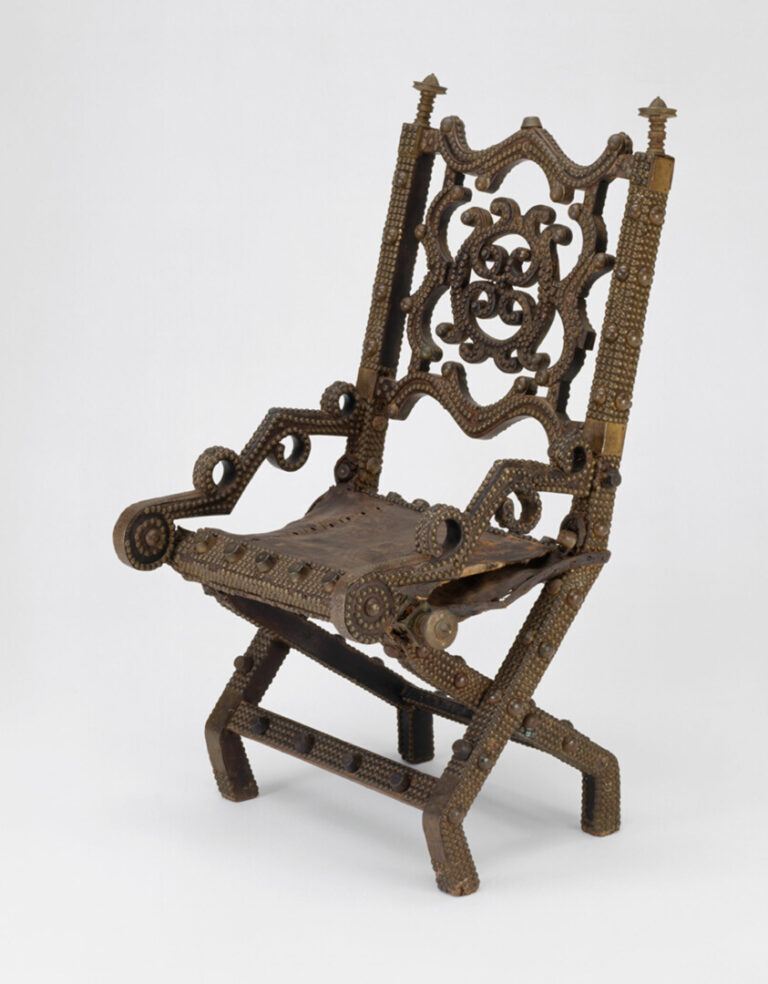
Akan — Anansi Web
StoryWorld open →Akan (Ashanti, Fante, Akyem, Akuapem, Kwahu), Ghana and Côte d'Ivoire
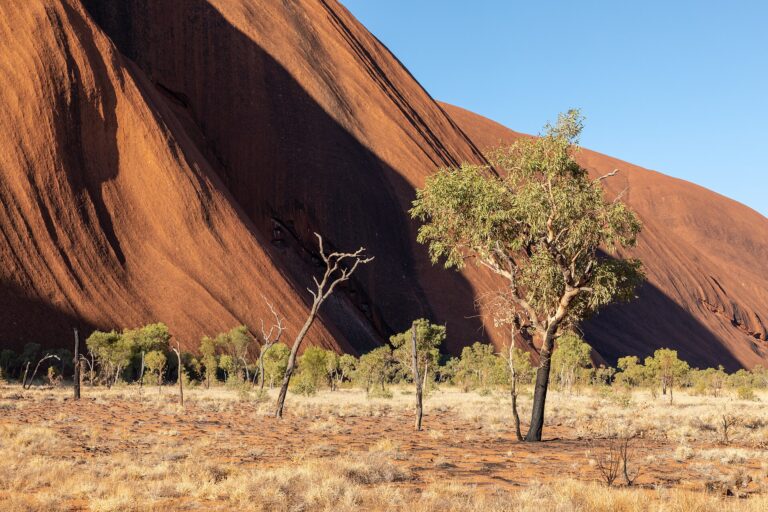
Anangu, Martu, Ngaanyatjarra & Yolŋu — Songlines
StoryWorld comingThe First Nations of Australia whose Country the songlines cross: many distinct nations, each with its own language, Country, Law and Dreaming. Among them: the Anangu (Pitjantjatjara and Yankunytjatjara), Martu and Ngaanyatjarra of the Western Desert, whose custodians have shared the public story of the Seven Sisters songline, and the Yolŋu of north-east Arnhem Land.
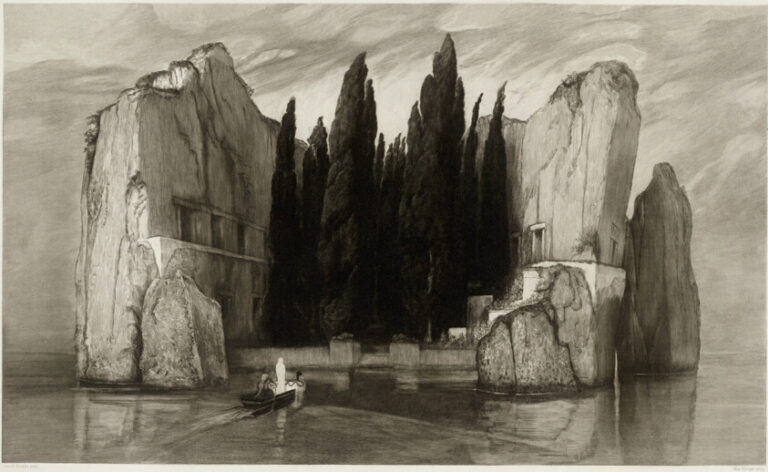
Kemet — Ma'at Balance
StoryWorld open →The ancient Egyptians of the Nile Valley, from the First Cataract to the Mediterranean Delta
Persian & Arabic — Thousand and One Nights
StoryWorld comingThe Arabic and Persian storytellers of Baghdad, Cairo and the Persian lands, drawing on older Indian story-frames, whose tales flowed together into the great compilation of the Thousand and One Nights, a cross-cultural masterwork of nested storytelling.
Babylonian — Enuma Elish
StoryWorld comingThe Babylonians of central Mesopotamia, who wrote in Akkadian
BaKongo — Dikenga Cosmogram
StoryWorld comingBaKongo (Kongo, Vili, Yombe, Woyo, Solongo) of the Congo River Basin, spanning the Democratic Republic of Congo, the Republic of Congo, Angola (Cabinda), and Gabon. The Kingdom of Kongo was one of Central Africa's great states from the 14th century.
Chinese (Tang) — Qǐchéngzhuǎnhé (起承轉合)
StoryWorld comingChinese literary tradition: the classical poetics of the Tang Dynasty (618–907 CE), the golden age of Chinese poetry, and the qǐchéngzhuǎnhé four-part structure that shaped its regulated verse.
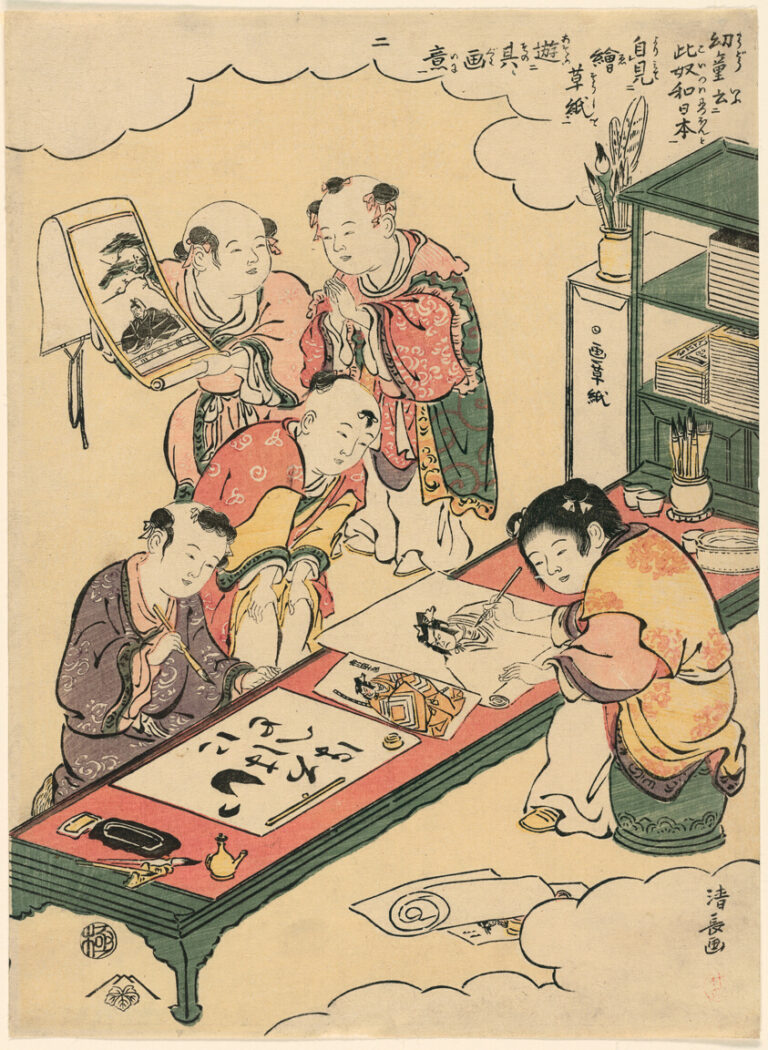
Chinese — Wuxia (武俠)
StoryWorld comingChinese literary tradition: the wuxia genre of martial heroes, rooted in classical tales of chivalrous swordsmen (youxia) and the great vernacular novels, and flourishing in modern literature and film.

Crow, Anishinaabe & Cree — Medicine Wheel Story
StoryWorld comingThe nations whose medicine wheels and four-directions teachings carry the circular story: the Crow (Apsáalooke), whose Burnt Face is told with the Bighorn Medicine Wheel; the Anishinaabe (Ojibwe, Odawa and Potawatomi), whose elders carry the teachings of the four directions; and the Plains and Woodland Cree. Each nation holds its own teachings.
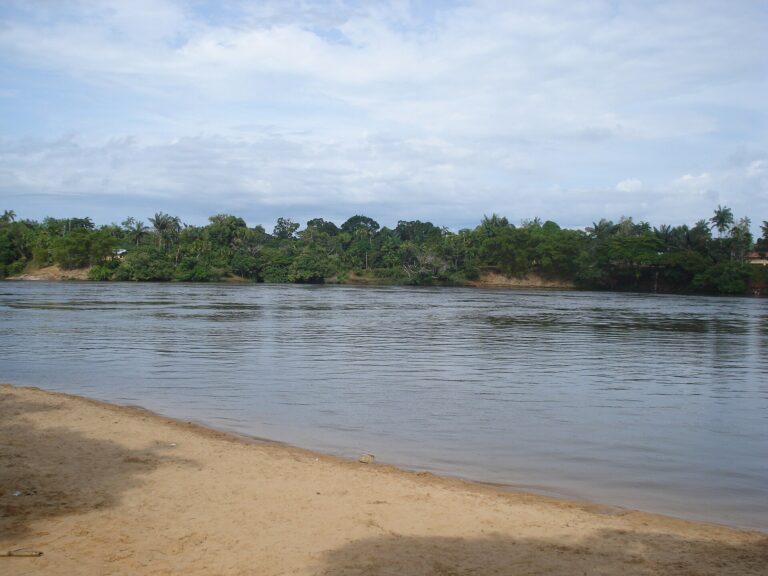
Desana & Tukanoan — Vision Journey
StoryWorld comingThe Desana (Wira) and their Tukanoan neighbours of the Vaupés (Uaupés) river (the Tukano, the Barasana and others) of Colombia and Brazil, whose healers, the kumu and the payé, carry the vision passage. The Yanomami of the highlands between Brazil and Venezuela, whose shamans travel with the xapiri spirits, hold a vision tradition of their own.
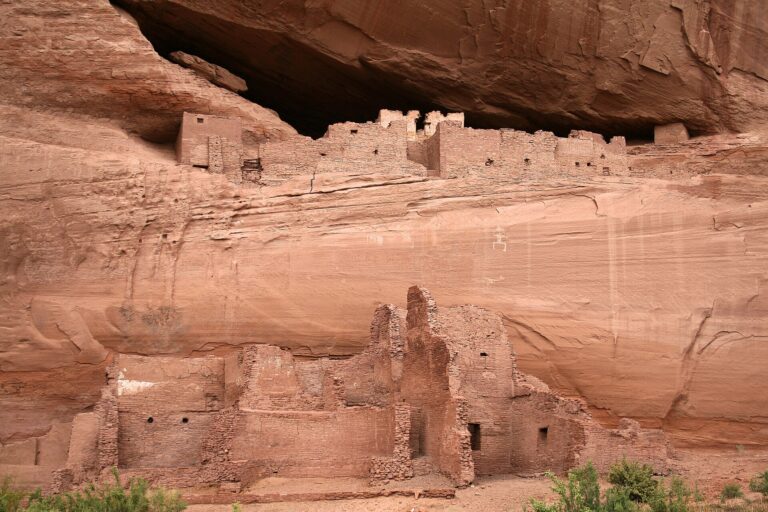
Diné — Hózhó / Blessingway
StoryWorld open →The Diné (Navajo) of Diné Bikéyah, the Navajo homeland in the Four Corners region of the American Southwest (Arizona, New Mexico, Utah, Colorado), within the four sacred mountains.
Guaraní — The Land Without Evil
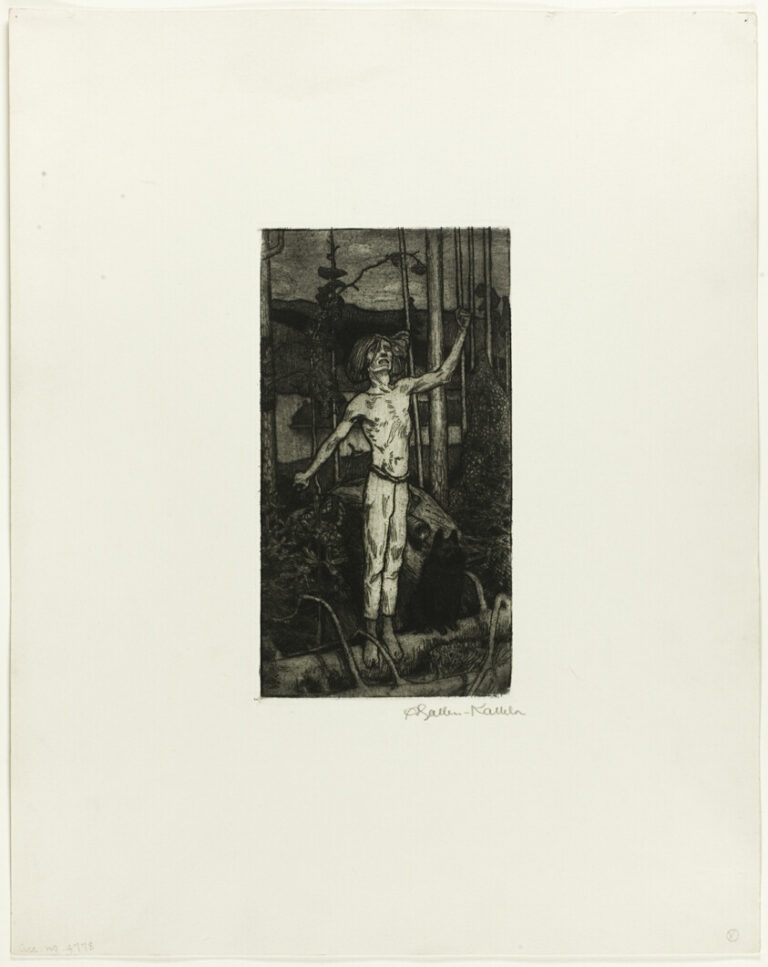
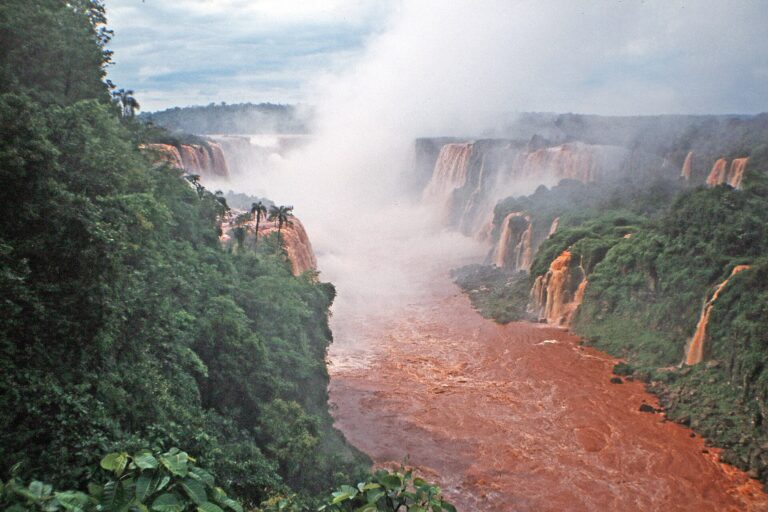
StoryWorld open →Guaraní: Mbyá, Ava (Ñandeva), Kaiowá, and Paĩ Tavyterã, of Paraguay, southern Brazil, northeastern Argentina, and Bolivia. A major nation of South America, with a deep spiritual and poetic tradition.
Haudenosaunee — Sky Woman / Great Law
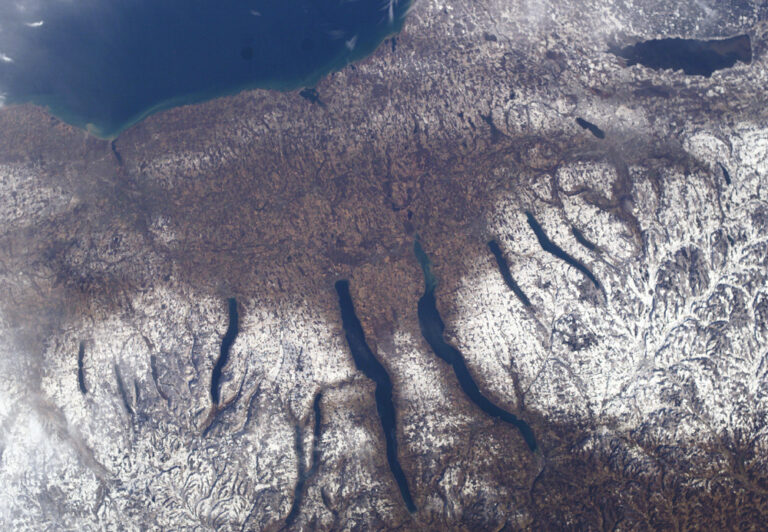
StoryWorld open →Haudenosaunee (the "People of the Longhouse," also known as the Iroquois Confederacy): the Mohawk (Kanien'kehá:ka), Oneida (Onʌyoteʼá·ka), Onondaga (Onöñda'gega'), Cayuga (Gayogo̱hó꞉nǫ'), Seneca (Onöndowa'ga:'), and later the Tuscarora (Ska:rù:rę'), of what is now upstate New York and the surrounding Great Lakes and St. Lawrence regions.
Hawaiian, Tahitian & Māori — Wayfinding
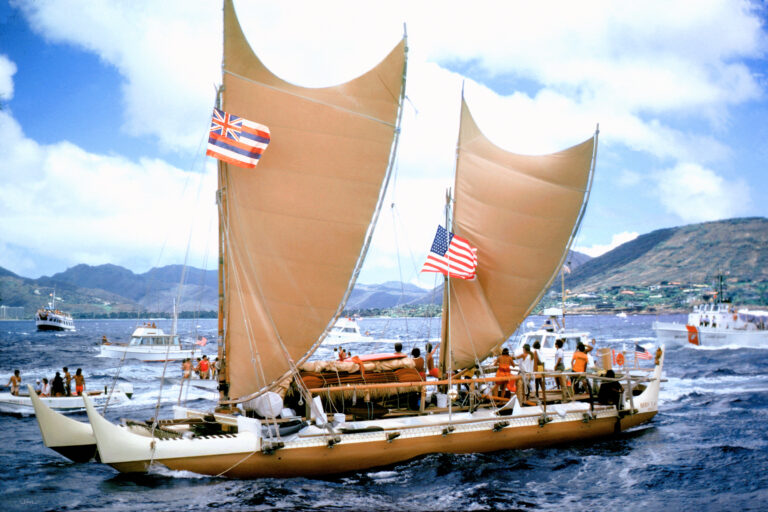
StoryWorld comingThe voyaging cultures of the Pacific: Hawaiian (Kānaka Maoli), Tahitian (Mā'ohi), Māori, Samoan, Tongan, Marquesan and others, each with its own language and tellings. They were master voyagers who settled the Pacific across immense distances by non-instrument navigation.
Sanskrit Epic — Mahābhārata
StoryWorld open →Sanskrit literary and religious tradition: attributed to the sage Vyasa, compiled from older oral tradition roughly 400 BCE–400 CE, pan-Indian in reach and influence.
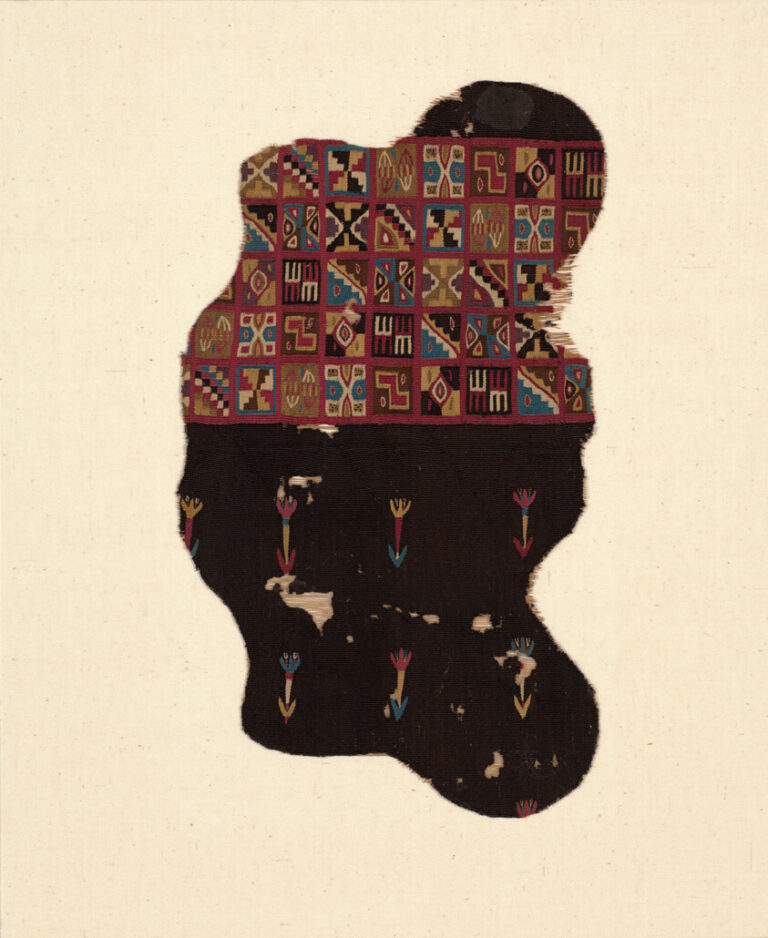
Quechua & Aymara — Inca Quipu
StoryWorld comingThe Quechua-speaking Inca of Cusco and the cultures of Tawantinsuyu, the Inca state, who used the quipu (an elaborate system of knotted, colored cords) to record numbers, information, and (in ways still being understood) narrative and account.
Sanskrit Theatre — Rasa (Nāṭyaśāstra)
StoryWorld comingThe Indian (Sanskrit) dramatic and aesthetic tradition: the theory of rasa articulated in the Natyashastra (the ancient Sanskrit treatise on dramaturgy attributed to Bharata Muni) and developed across Indian poetics, drama, dance, and music.
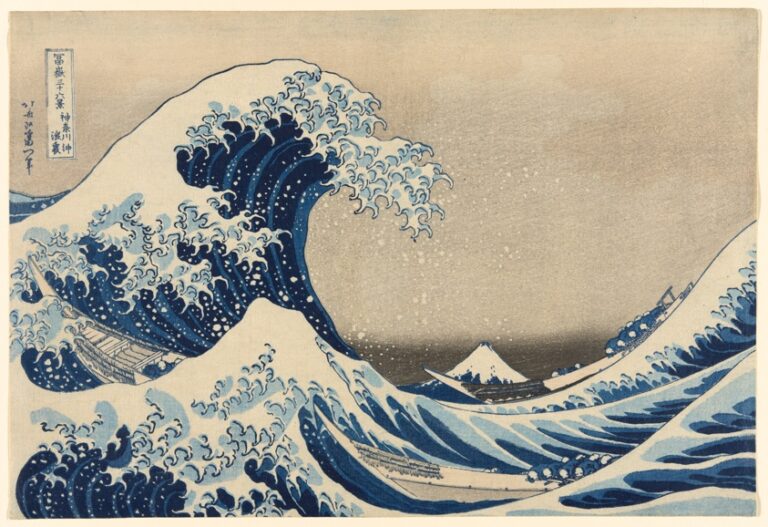
Japanese — Kishōtenketsu (起承転結)
StoryWorld comingEast Asian literary tradition: originating in classical Chinese poetics (qǐ chéng zhuǎn hé) and developed in Japanese narrative, poetry, and art as kishōtenketsu.
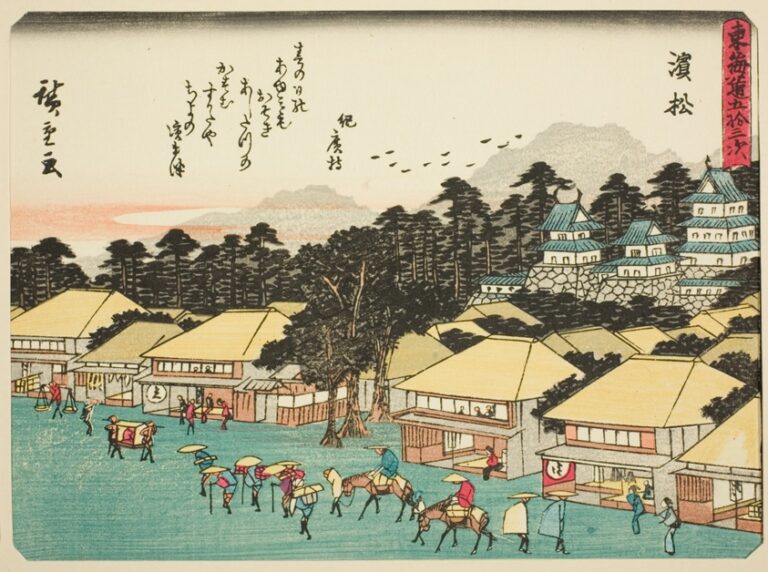
Japanese — Ma (間)
StoryWorld comingJapanese aesthetic and artistic tradition: developed across Noh theatre, ink painting (sumi-e), poetry, garden design, and music, and rooted in Zen and older Japanese sensibility.
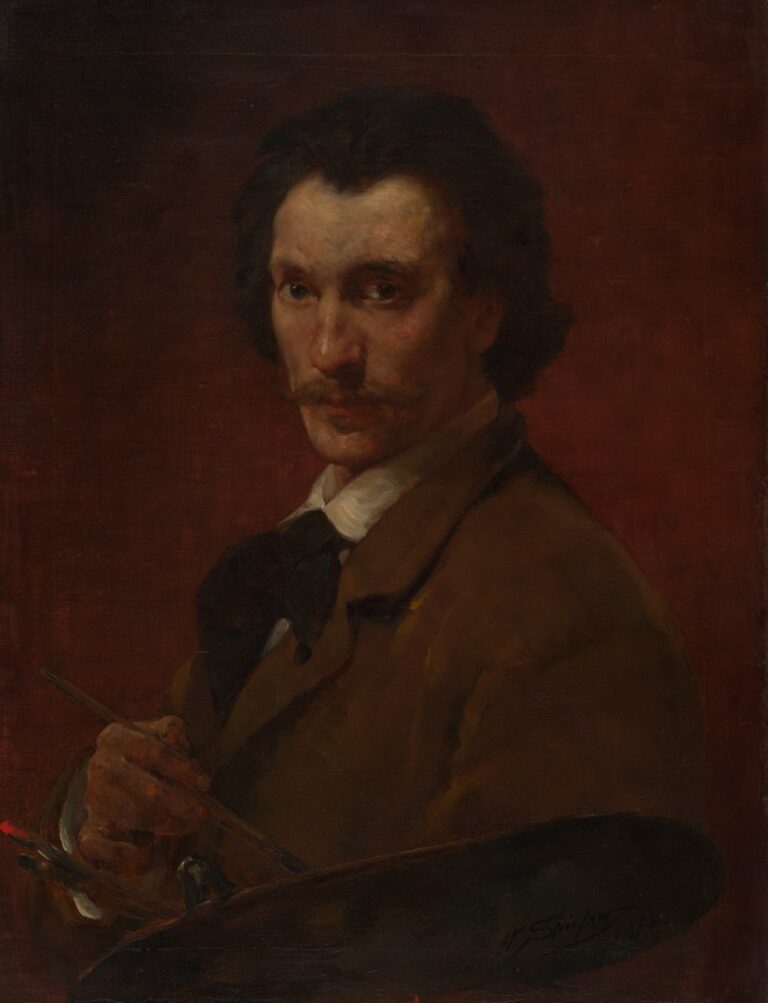
Javanese — Wayang Kulit
StoryWorld comingJavanese: the island of Java, Indonesia, in a tradition synthesizing indigenous Javanese cosmology, Hindu-Buddhist epic (the Ramayana and Mahabharata, adapted into Javanese forms), and later Islamic and Sufi elements.
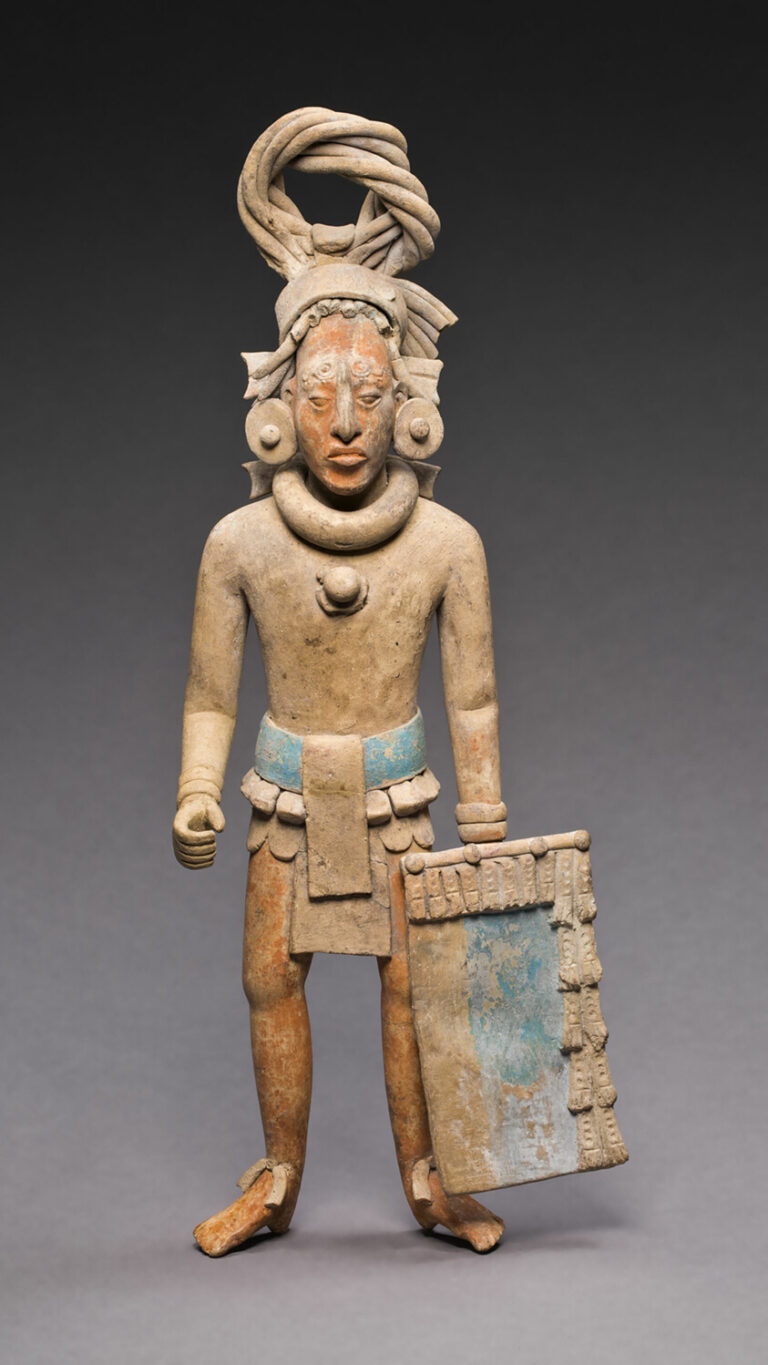
K'iche' Maya — Creation Cycle
StoryWorld comingThe K'iche' Maya of highland Guatemala, whose sacred book the Popol Vuh preserves the creation cycle; and the broader Maya world.
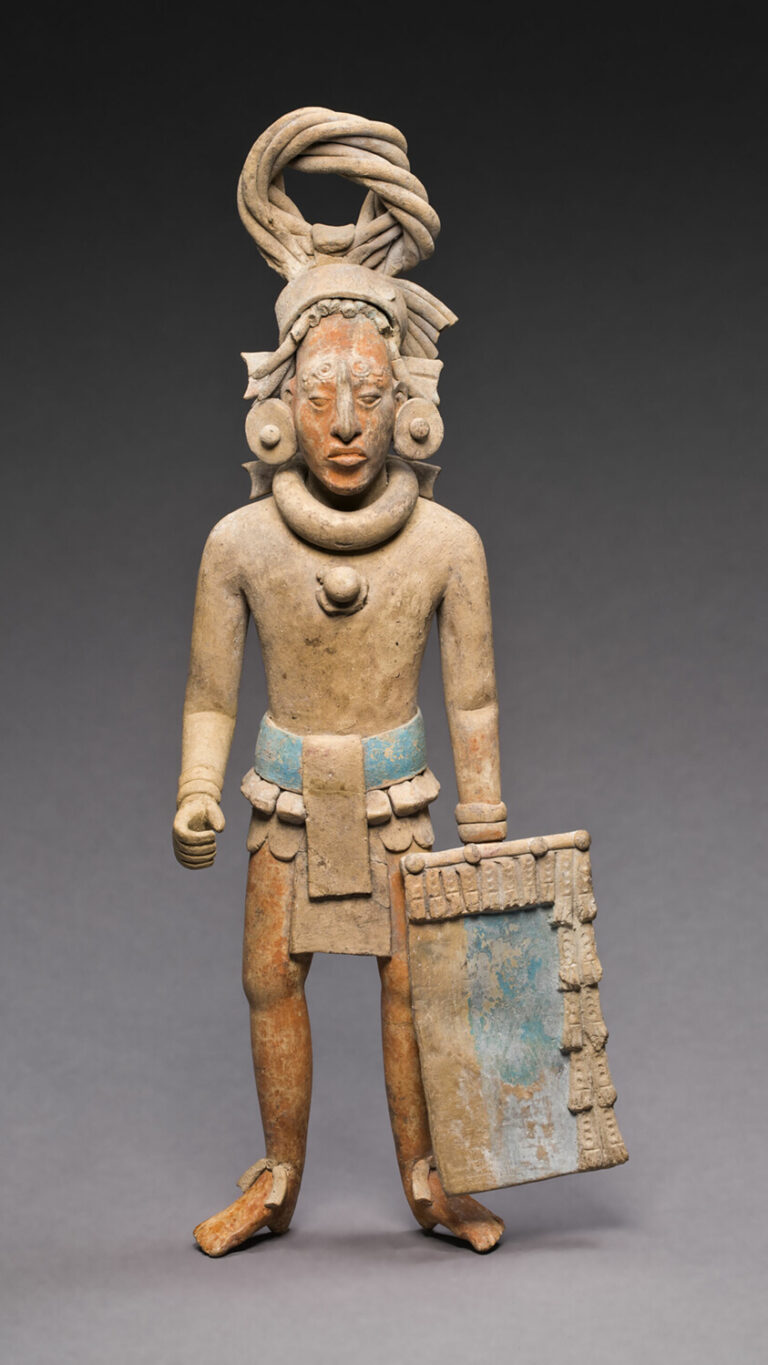
K'iche' Maya — Popol Vuh Hero Twins
StoryWorld open →K'iche' Maya of the Guatemalan highlands, heirs to the broader Classic Maya civilization; the Popol Vuh preserves the sacred narrative of the K'iche', written down in the mid-16th century from far older tradition.
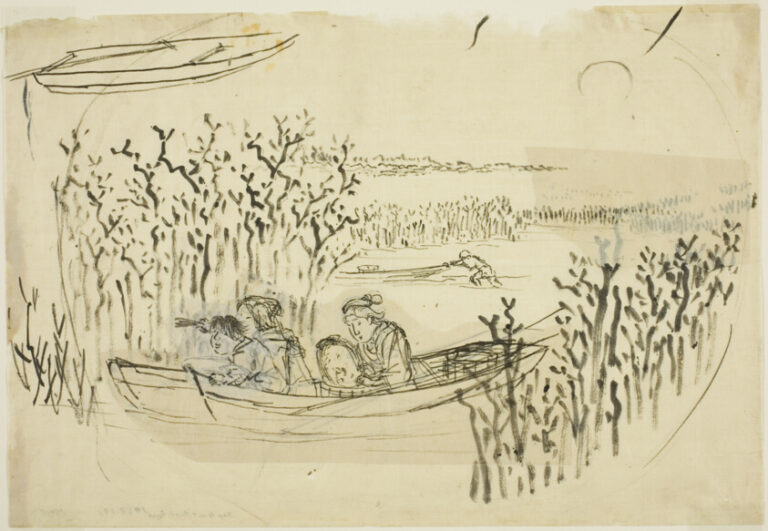
Yamato Japanese — Kojiki / Amaterasu
StoryWorld open →Yamato Japanese, the Kojiki ("Record of Ancient Matters") compiled in 712 CE by Ō no Yasumaro from older oral tradition, drawing on myths far predating writing in Japan.
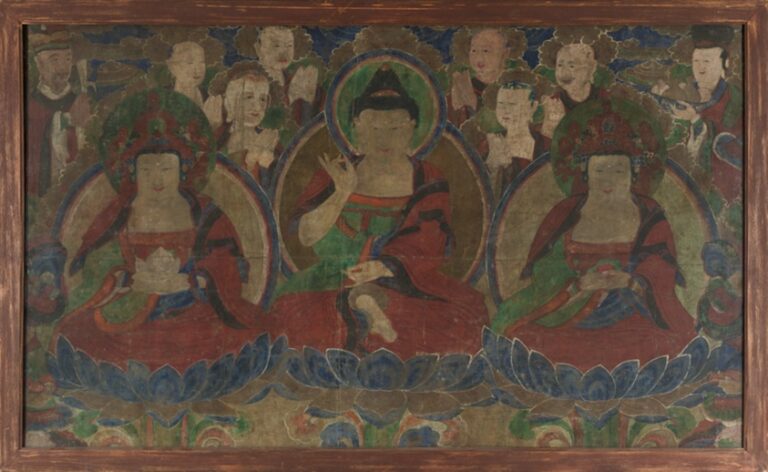
Korean — Pansori
StoryWorld comingKorean: the pansori tradition flowered under the Joseon Dynasty (1392–1897), with roots in shamanic (mudang) ritual song, developing especially in the southwestern Jeolla region.
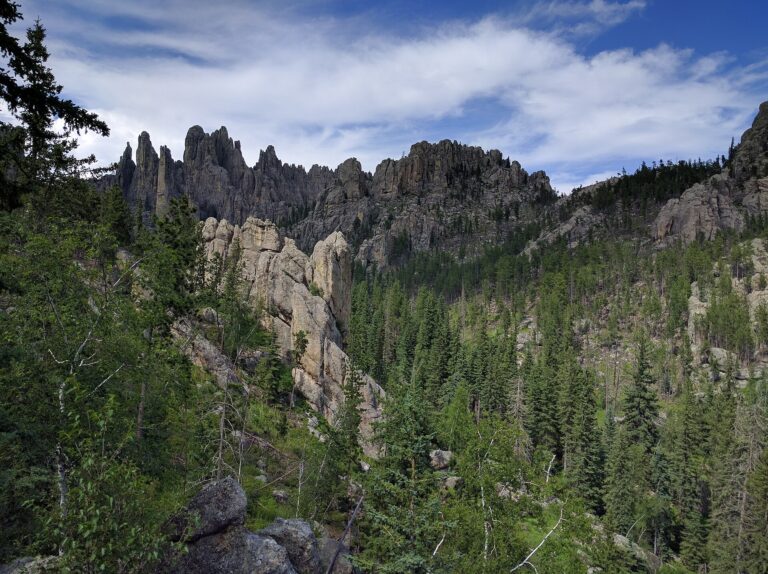
Lakota & Dakota — Vision Quest
StoryWorld comingThe Lakota (the Titonwan bands) and the Dakota (Santee, Yankton and the other bands) of the Očhéthi Šakówiŋ: sovereign nations whose vision seeking is a living sacred ceremony. Charles A. Eastman (Ohiyesa, Santee Dakota) described the hambeday in his own voice in The Soul of the Indian (1911).
Lakota — Sacred Hoop
StoryWorld comingThe Lakota of the Očhéthi Šakówiŋ (the Seven Council Fires), the Titonwan or Teton bands (Oglala, Sicangu, Hunkpapa and the others), for whom the sacred hoop and the four directions carry deep meaning. The sacred specifics belong to the living Lakota and are kept by them.
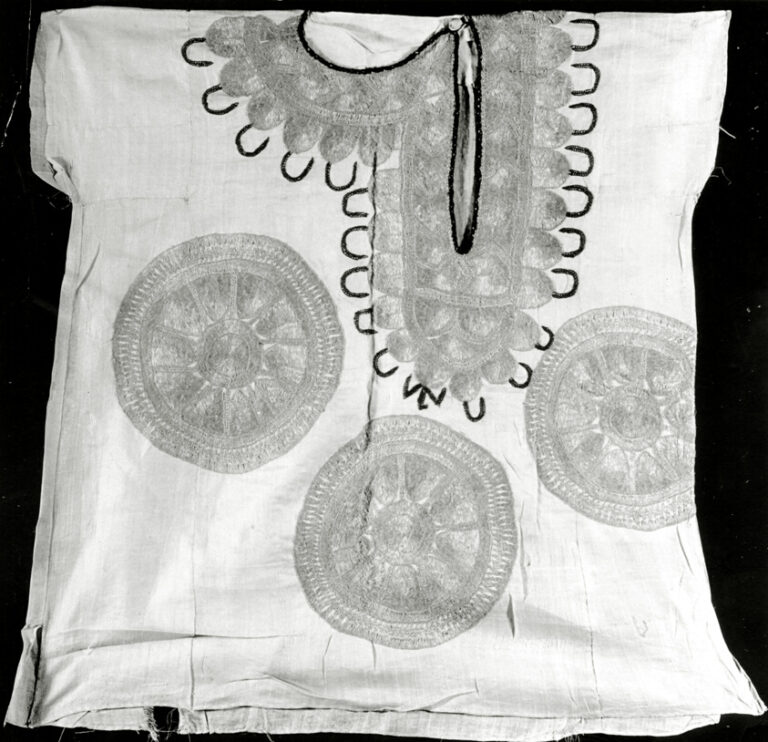
Mandé — Griot Performance
StoryWorld comingThe Mandé (Mandinka or Maninka, Bambara and Dyula) of the old Mali Empire: Mali, Guinea, Senegal, the Gambia, Burkina Faso
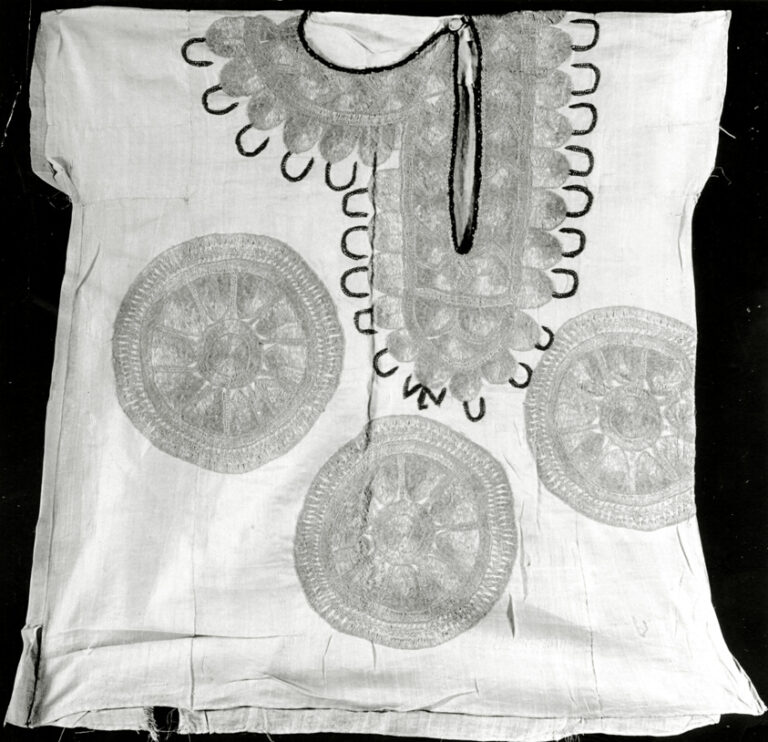
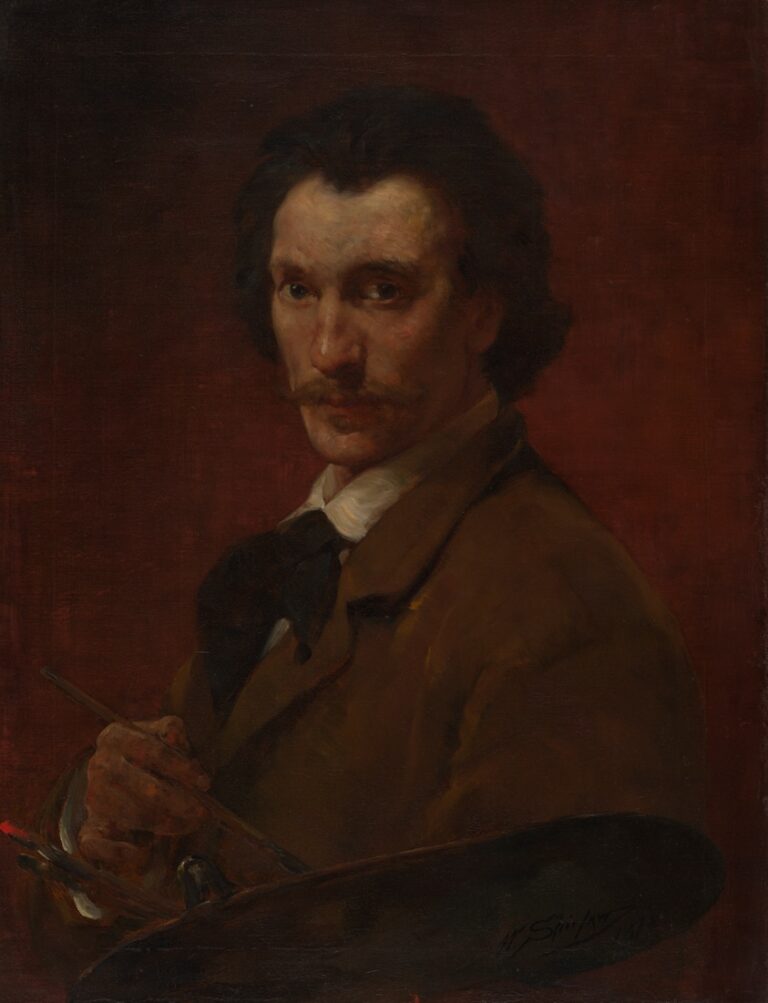
Mbuti & Baka — The Forest Song
StoryWorld comingMbuti (Ituri Forest, Democratic Republic of Congo), Baka (Cameroon, Central African Republic, northern Congo, Gabon), Aka (western Congo Basin), Efé and Twa, the hunter-gatherer forest cultures of the Central African rainforest. Distinct cultures with distinct languages, united by a shared relationship to the forest as living parent.
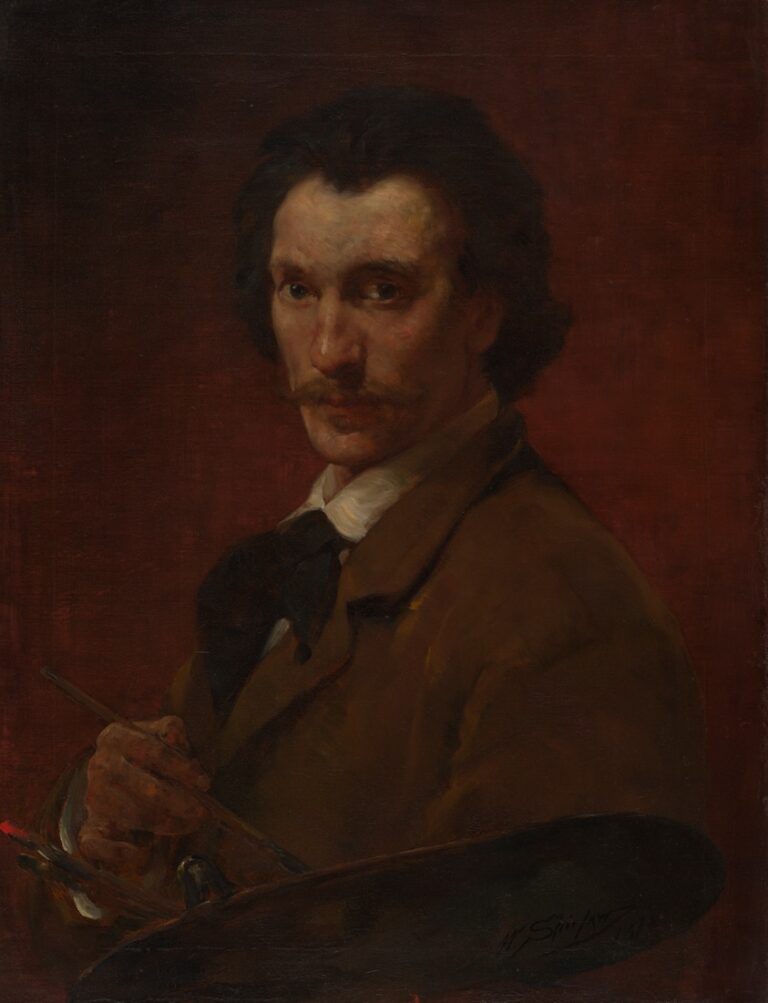
BaAka — Congo Forest Spirits
StoryWorld open →Mbuti, Baka, Aka, Efé and related forest cultures of the Congo Basin (the Ituri forest and the wider equatorial rainforest of Central Africa).
Four-Act Structure
StoryWorld open →Not one people. A Modern Synthesis form: put together in the modern era from the stories of many places, and one of the four sorts of Linear that most popular stories are built on.
Seven-Point Structure
StoryWorld open →Not one people. A Modern Synthesis form: put together in the modern era from the stories of many places, and one of the four sorts of Linear that most popular stories are built on.
The Hero's Journey
StoryWorld open →Not one people. A Modern Synthesis form: put together in the modern era from the stories of many places, and one of the four sorts of Linear that most popular stories are built on.
Three-Act Structure
StoryWorld open →Not one people. A Modern Synthesis form: put together in the modern era from the stories of many places, and one of the four sorts of Linear that most popular stories are built on.

Māori — Whakapapa
StoryWorld open →Māori of Aotearoa (New Zealand), in their iwi and hapū, descendants of the Polynesian voyagers who arrived by waka (canoe).
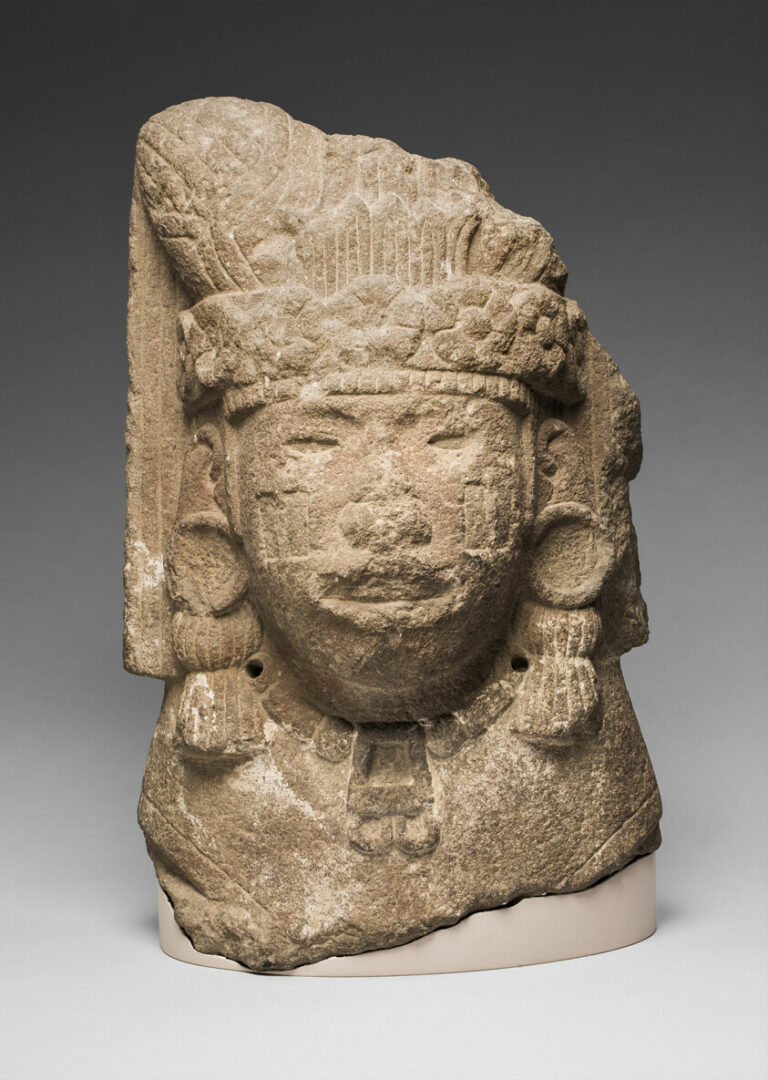
Mexica (Nahua) — Codex (Amoxtli)
StoryWorld comingThe Mexica (Aztec) and wider Nahua of central Mexico, and the broader Mesoamerican codex tradition (Mixtec and others): makers of the painted books (amoxtli) that recorded history, calendar, cosmology, and sacred knowledge.
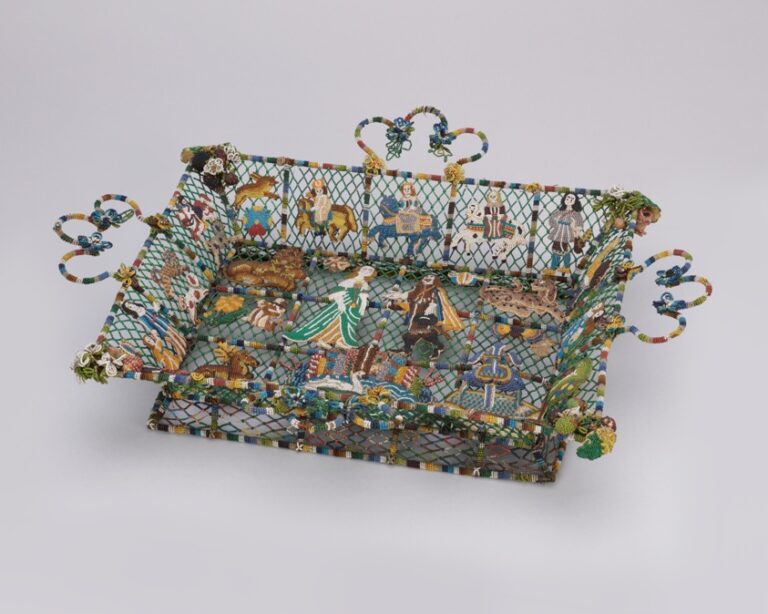
Zulu & Xhosa — Izibongo
StoryWorld comingZulu (amaZulu), Xhosa (amaXhosa), Swazi (emaSwati), and Ndebele (amaNdebele): of KwaZulu-Natal, the Eastern Cape, Eswatini, and surrounding regions of southern Africa.
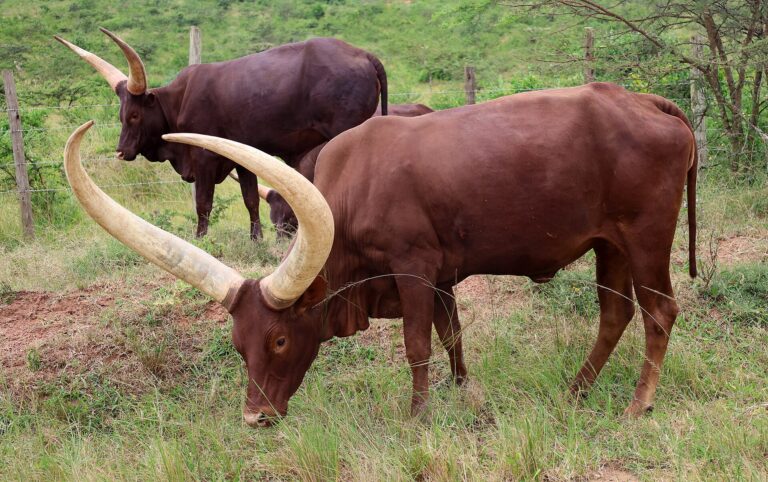
Dinka, Nuer & Maasai — Cattle Song
StoryWorld comingDinka and Nuer of South Sudan, Maasai of Kenya and Tanzania, Acholi of northern Uganda and South Sudan of the East African savannah and the Nile Basin, whose lives turn on their cattle.
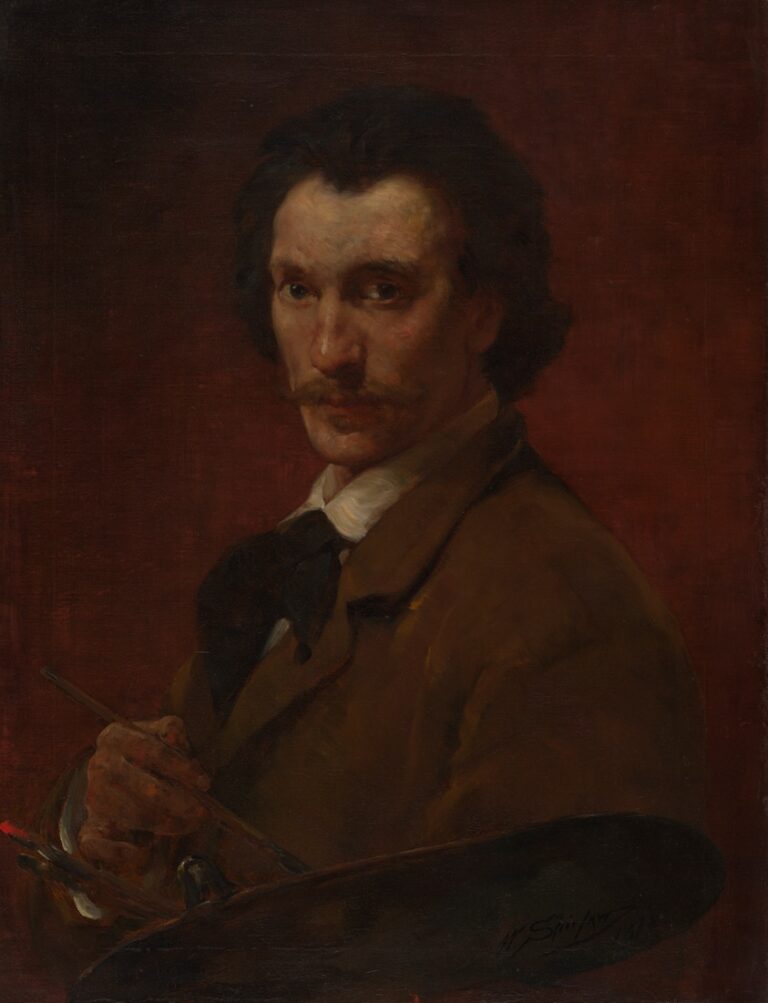
Icelandic — Norse Saga
StoryWorld open →Norse: the medieval Icelanders and the wider Scandinavian world, heirs to the Viking Age, who preserved the sagas and the Eddic mythology.
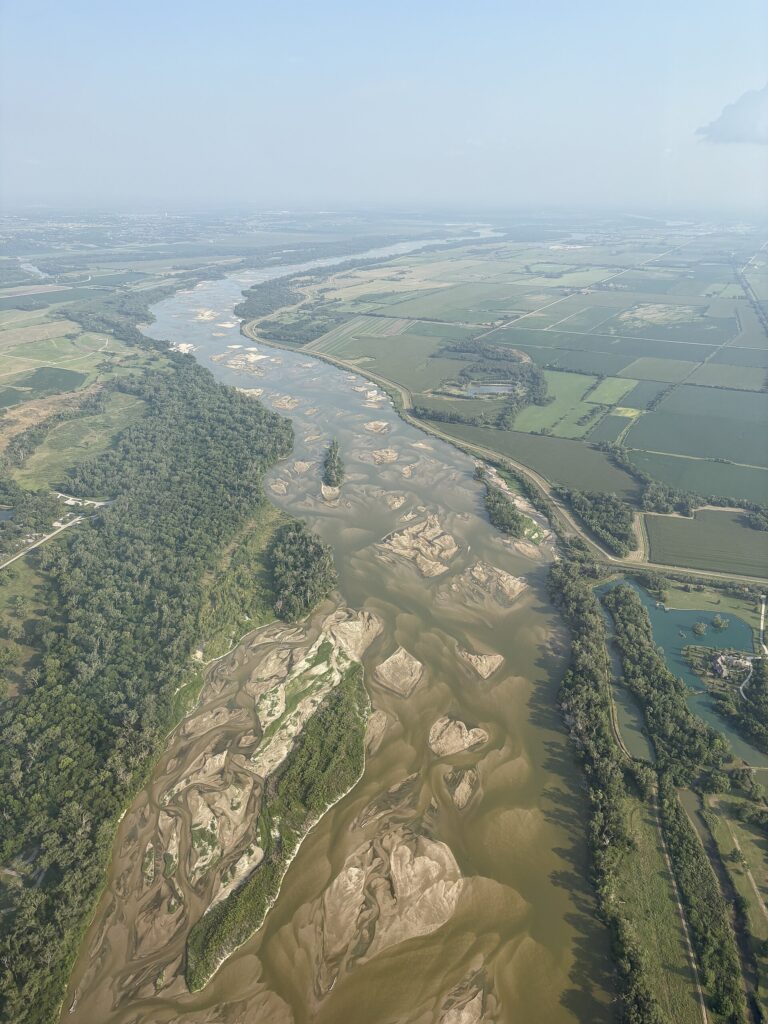
Pawnee & Blackfoot — Animal-Guide Journey
StoryWorld comingThe Pawnee (Chaui, Kitkehahki, Pitahawirata and Skidi), whose animal lodges, the nahurac, gave the people their teachings, and whose Dun Horse guides a poor boy to honour; and the Blackfoot (Siksiká, Kainai and Piikani), whose Scarface is shown the way to the Sun by the animals. Each nation holds its own stories and teachings.
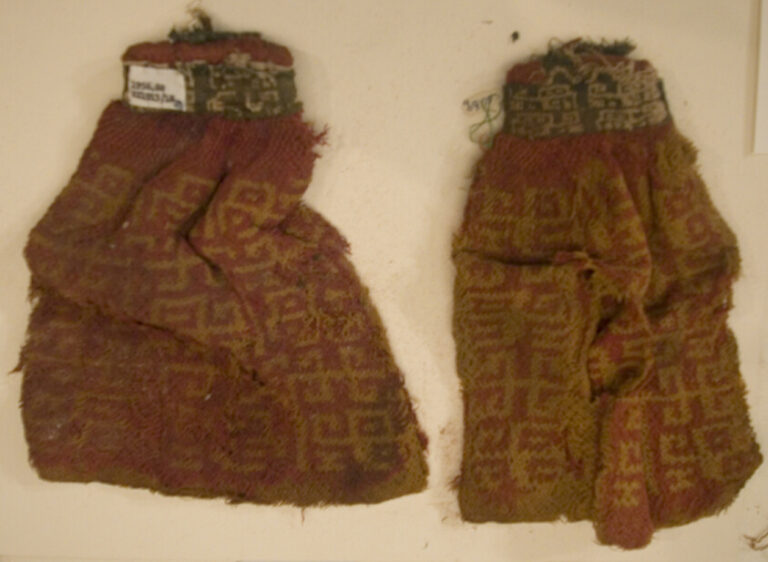
Quechua & Aymara — Pachakuti
StoryWorld open →The Quechua and Aymara of the Andes, in Peru, Bolivia and Ecuador. Pachakuti informed Inca civilization, the Quechua-speaking Inca of Cusco and Tawantinsuyu, the Inca state, and it continues in Andean communities today.
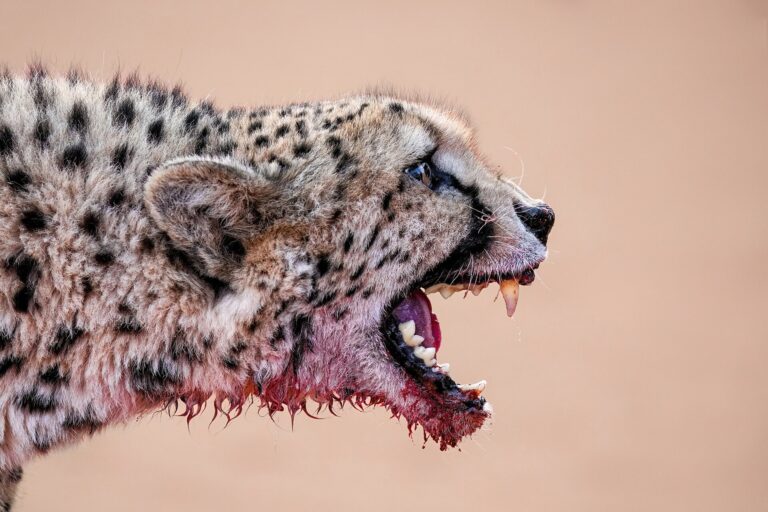
San — Click Stories
StoryWorld comingSan: the Ju/'hoansi (!Kung), the Taa-speaking !Xóõ, the /Xam, the Naro and other San of the Kalahari and southern Africa
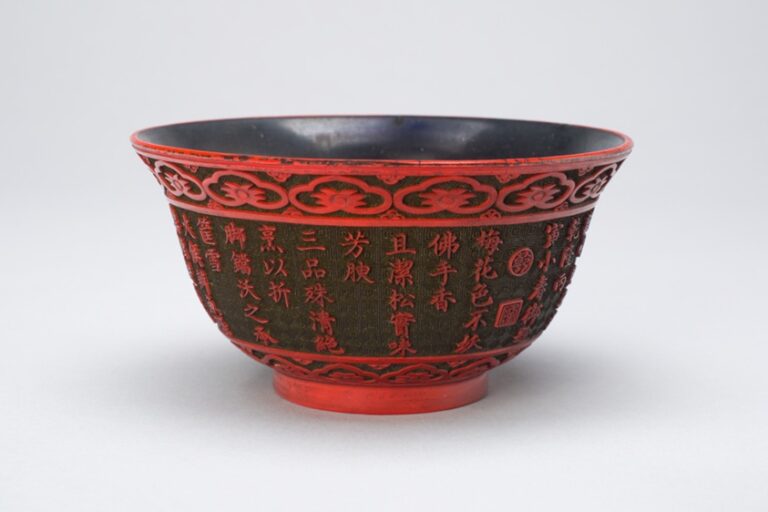
Slavic Cultures — The Turning Year
StoryWorld comingSlavic: the East Slavs (Russians, Ukrainians, Belarusians), West Slavs (Poles, Czechs, Slovaks, Sorbs), and South Slavs (Serbs, Croats, Bulgarians, and others), sharing a common pre-Christian mythological and folkloric heritage.
Persian Sufi — Rumi's Masnavi
StoryWorld open →Sufi Islamic mystical tradition: centered on Jalal ad-Din Muhammad Rumi (1207–1273), who lived and taught in Konya (in present-day Turkey), wrote in Persian, and whose followers founded the Mevlevi Order (the "whirling dervishes").
Sumerian — Gilgamesh / Inanna
StoryWorld open →Sumerian civilization (the city-states of Uruk, Ur, Lagash, Nippur, Eridu) of southern Mesopotamia (modern southern Iraq), roughly 3000–1750 BCE, and the Akkadian and Babylonian cultures who inherited and transmitted their literature.
Tagalog, Visayan & Ilocano — Bathala / Diwata
StoryWorld comingThe Tagalog, Visayan (Bisaya, including the Sulodnon of Panay), Ilocano, Bikolano, Kapampangan and other cultures of the Philippine archipelago, whose cosmology centres on Bathala, the diwata and anito, and the babaylan who mediate between the worlds.
Tamil — Sangam Akam / Puram
StoryWorld comingTamil: Tamilakam (the ancient Tamil country of southern India and Sri Lanka), during the Sangam age (roughly 300 BCE–300 CE), under the Chera, Chola, and Pandya dynasties.
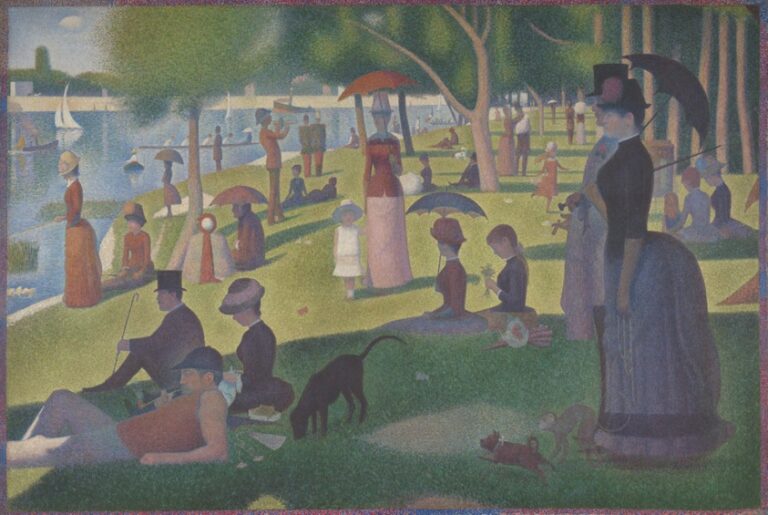
Chinese (Taoist) — Zhuangzi Parables
StoryWorld open →Chinese Taoist tradition: Zhuangzi (Zhuang Zhou, c. 369–286 BCE) and Laozi (traditionally 6th century BCE), of the Warring States period of ancient China.
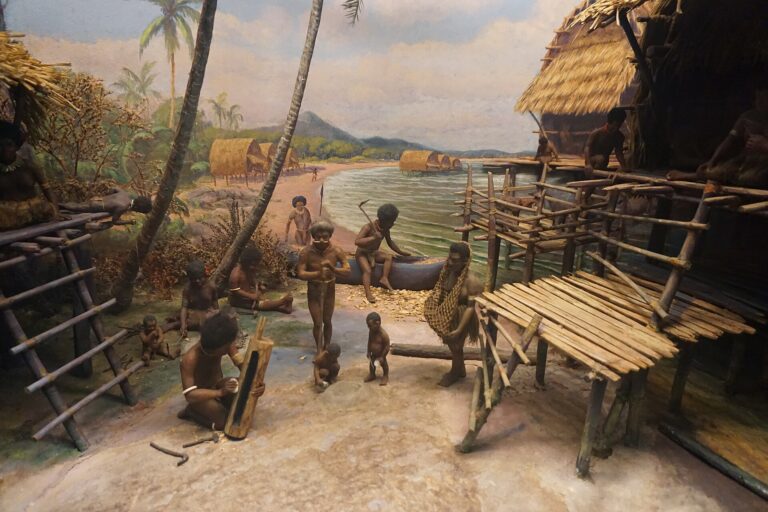
Trobriand & Melanesian Cultures — Ancestor Presence
StoryWorld comingThe Trobriand Islanders of Kiriwina and the other Massim island cultures of Milne Bay, Papua New Guinea, whose Kula exchange ties island to island; with the feast-giving and the earned leadership of the 'big man' that cultures of the Papua New Guinea Highlands and the Solomon Islands also know. Melanesia's are many, more than 800 languages are spoken in Papua New Guinea alone, and each holds its own traditions.
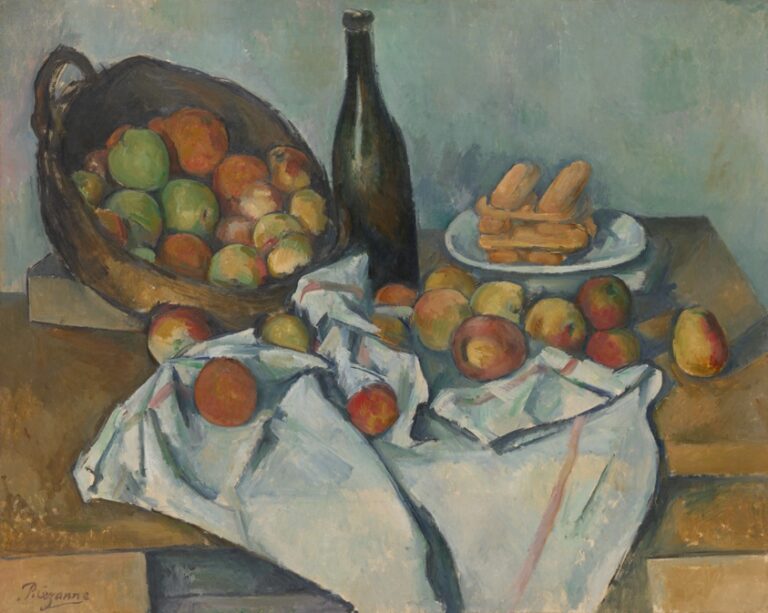
Zulu, Xhosa & Shona — Ubuntu Story Circle
StoryWorld open →Zulu (umuntu ngumuntu ngabantu), Xhosa, Ndebele, Shona (hunhu), Sotho (botho), Tswana, Swazi, Venda, Tsonga, Southern Africa
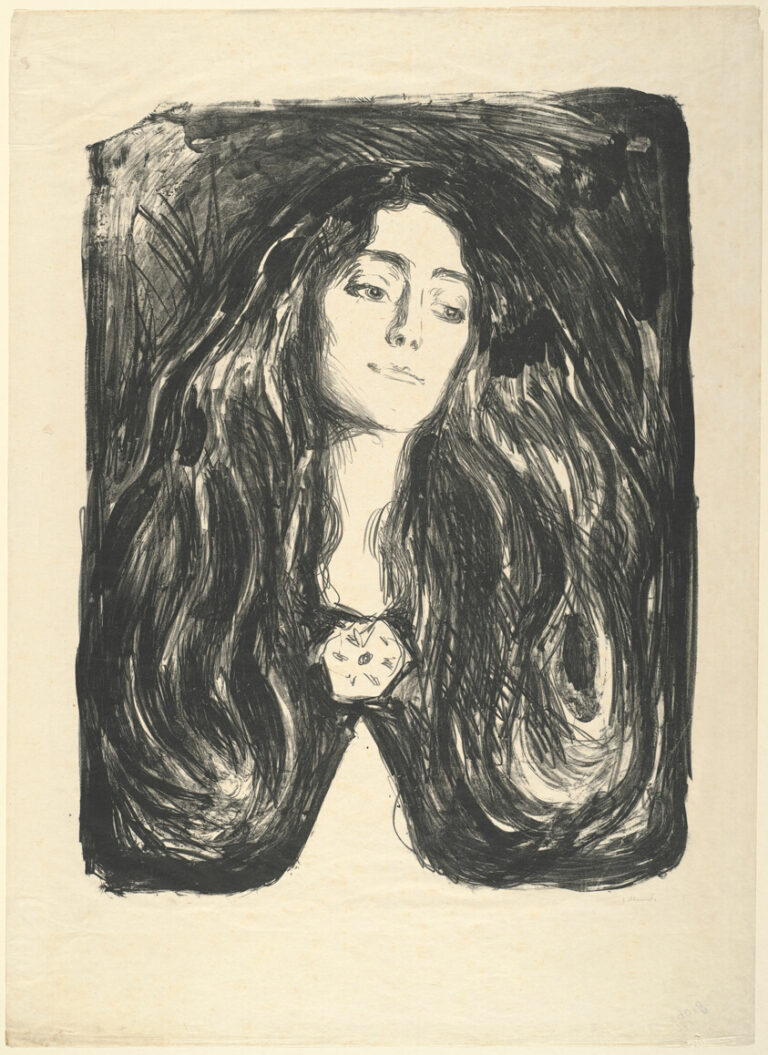
Irish & Welsh — The Celtic Spiral
StoryWorld open →Celtic: the Irish (Gaelic) and Welsh (Brythonic) traditions above all, heirs to a rich mythological and storytelling heritage preserved in the medieval manuscripts.
Yoruba — Ifá / Orisha Realms
StoryWorld open →Yoruba (Oyo, Egba, Ijebu, Ile-Ife, Ekiti, Ijesa, Igbomina) southwestern Nigeria and Benin Republic.