← The Cultures Behind the StoryWorlds
North America: the northern and eastern Plains (Lakota and Dakota country)
Lakota & Dakota — Vision Quest
StoryWorld comingThe Lakota (the Titonwan bands) and the Dakota (Santee, Yankton and the other bands) of the Očhéthi Šakówiŋ: sovereign nations whose vision seeking is a living sacred ceremony. Charles A. Eastman (Ohiyesa, Santee Dakota) described the hambeday in his own voice in The Soul of the Indian (1911).
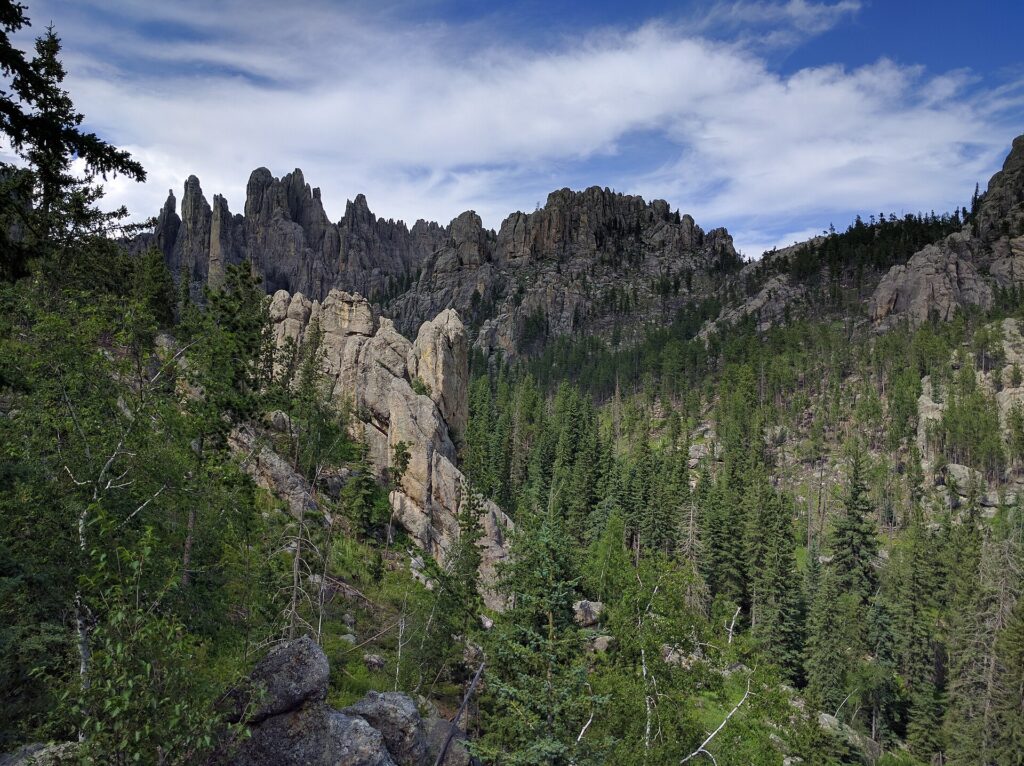
The World As They See It
Structural Pattern. A world in which a seeker, called to seek understanding or vision, undertakes a demanding quest: preparation and purification, a quest to a sacred place, a period of solitude and testing, the reception of a vision or understanding, its integration, and a return to community. The movement is a progression through stages toward the vision and the return; the seeker is changed by the quest and brings the vision back to the people.
Time (structural pattern). Linear: one stage after another, out to the vision and back to the people.
The Valued (structural pattern). The call to seek. Preparation, purification, and humility. Solitude and the willingness to be tested. The vision or understanding received. Its integration. The return that brings the vision back to community.
The Figures
Sacred Elements
Approached with the deepest restraint. The vision seeking is a sacred ceremony.
The Shape This StoryWorld Shares
`linear`
The vision-quest pattern runs one way: call, preparation and purification, going to the sacred place, solitude and testing, the vision, integration, and return. The movement is a single line, the seeker going out to the vision and back to the people. It is Linear architecture in a vision-seeking form.
Call to Quest → Preparation & Purification → Journey to Sacred Space → Solitude & Testing → Vision Reception → Integration & Understanding → Return & Community Integration.
The vision seeking (haŋbléčheya among the Lakota, hambeday among the Dakota) is a sacred, living ceremony, held within specific protocols and guided by qualified spiritual leaders. This entry describes only the shape of the seeker's quest as a story.