Korean — Pansori
Korean pansori, the epic sung storytelling of the Joseon era
Korean: the pansori tradition flowered under the Joseon Dynasty (1392–1897), with roots in shamanic (mudang) ritual song, developing especially in the southwestern Jeolla region.
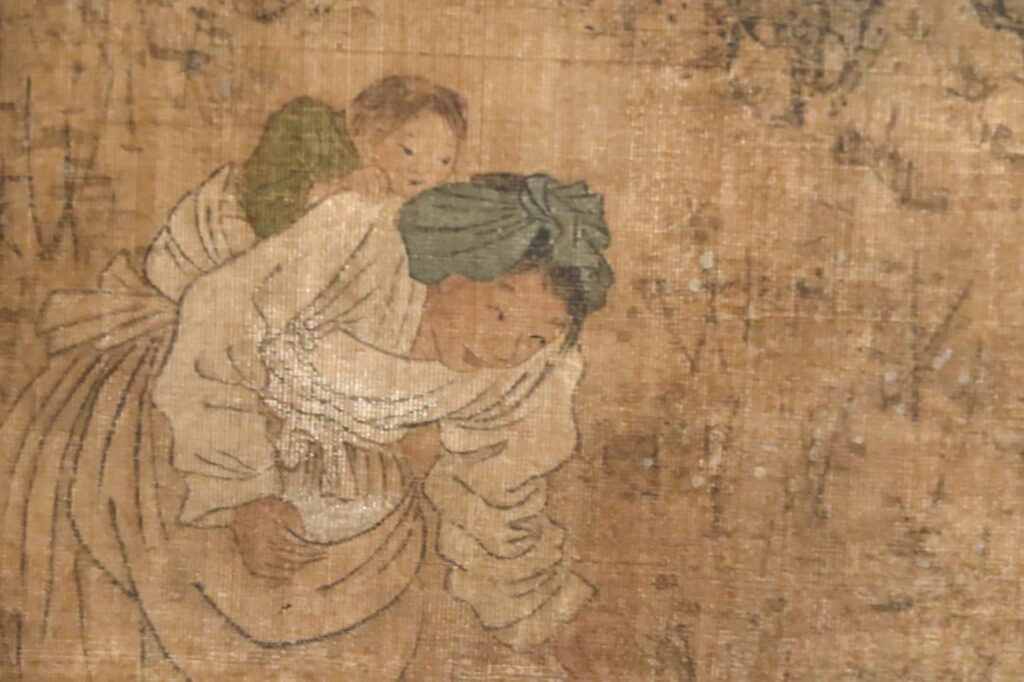
Korean
The culture
Korean: the pansori tradition flowered under the Joseon Dynasty (1392–1897), with roots in shamanic (mudang) ritual song, developing especially in the southwestern Jeolla region.
Where
East Asia — Korea
Time depth
Pansori emerged as a distinct art in the 17th–18th centuries, drawing on older shamanic and oral traditions. Five of an original twelve pansori works survive. Recognized by UNESCO as a Masterpiece of the Oral and Intangible Heritage of Humanity in 2003.
Living tradition
Yes. Pansori is actively performed, taught, and preserved as a national treasure of Korea, with master singers (myeongchang) carrying the tradition and continuing to move audiences deeply.
Language
Korean. Pansori is performed by a single singer (sorikkun) and a single drummer (gosu), combining sung narrative (sori), spoken narrative (aniri), and gesture (ballim), over performances that can last many hours. The emotional core is han: a deep, complex Korean feeling of sorrow, longing, grief, and resilient endurance.
The world of its stories
Cosmological Structure
Pansori's world is the human and moral world of Joseon Korea, Confucian values of filial piety, loyalty and virtue, mixed with shamanic and Buddhist elements. The cosmos is moral: virtue is tested and ultimately vindicated, suffering is endured and transformed, and the deep feeling of han runs beneath all. Heaven, the ancestors, and moral order frame human striving.
Creation
Pansori tells human moral stories, and its "cosmology" is the moral and emotional order of human life. Its worldview centers on the endurance of suffering, the vindication of virtue, and the alchemy by which han (accumulated sorrow) is transformed through art into beauty and release.
Time
Spiral and returning, pansori narrative returns again and again to its emotional center (the han of the protagonist), each return deepening the feeling, until the accumulated sorrow is released. The performance itself spirals through emotional intensities, the singer returning to the core grief and rising each time, until catharsis. Time in pansori is the deepening of feeling through return.
The Sacred
Han, the deep, resilient sorrow the tradition is built on, and its transformation. The voice itself, cultivated through brutal training (singers traditionally trained beside waterfalls until the voice broke and re-formed rougher and deeper). The relationship between singer and drummer, and between performer and audience. Virtue (filial piety, loyalty, faithfulness) tested and vindicated.
Death / Afterlife
Pansori engages death within its human moral dramas, the blind man's daughter Sim Cheong sacrifices herself and is reborn; death and return, sacrifice and vindication, recur. The tradition's Buddhist and shamanic elements allow for rebirth and the intervention of heaven, but the emphasis falls on the moral and emotional meaning of suffering and its transformation rather than on cosmological afterlife.
Why Spiral Architecture
Pansori spirals through emotional intensity, the performance returns again and again to the protagonist's core feeling of han, each return deepening it and rising higher, until the accumulated sorrow is released in catharsis. The structure is a spiral of feeling: the singer circles back to the emotional center, and each return is deeper, more intense, more saturated, until the release. The named movements of pansori performance (tuning, spoken narrative, sung narrative, gesture, the audience's response, the echo that remains) trace this spiral of deepening feeling. The meaning is in the return and the rising, not in the plot's line.
Structural Logic
Return to the emotional center at deepening intensity, until release. The story spirals through the protagonist's han (circling back, each time deeper) building toward the cathartic transformation of accumulated sorrow into beauty and, often, the vindication of virtue. The plot matters less than what each return does to the feeling.
Structural Movement
Daseureogi (tuning: voice and feeling set to one key) → Aniri (spoken narrative: the situation told) → Sori (sung narrative: the first deep turn into han) → Ballim (gesture: the feeling embodied) → Chuimsae (the response: audience and singer rise together) → Gyeongdeureu (the echo that remains).
Key figures
Supreme Being / Creator
No single deity: pansori's world is framed by Heaven (a moral order that ultimately vindicates virtue), the ancestors, and Buddhist and shamanic powers, rather than a personal creator.
Major Figures (from the five surviving pansori)
- Chunhyang (from Chunhyangga), the faithful woman who endures torture rather than betray her love, the supreme model of fidelity.
- Sim Cheong (from Simcheongga), the daughter who sacrifices herself to the sea to restore her blind father's sight, model of filial piety.
- Heungbo (from Heungboga): the poor, virtuous brother rewarded, against his greedy brother Nolbo.
- The characters of Sugungga (the underwater dragon king's palace) and Jeokbyeokga (the Battle of the Red Cliffs).
Trickster / Culture Figure
Pansori is full of comic and satirical figures: servants, rogues, and clever commoners whose humor punctures the pretensions of the powerful. The aniri (spoken passages) often carry sharp social satire and comedy, balancing the tragic han.
Ancestor Figures
The lineage of master singers (myeongchang) who transmitted the tradition, and the moral exemplars of the stories themselves, held up as models across generations.
Who’s Who
Sacred elements
Sacred Objects
The buk (barrel drum) of the gosu (drummer). The fan held by the singer, used expressively. The straw mat on which the performance traditionally takes place. The cultivated voice itself, the singer's most sacred instrument.
Sacred Places
Traditionally, the courtyard, marketplace, or patron's home where pansori was performed; the waterfalls where singers trained their voices. Today, concert halls and preservation institutions, and the Jeolla region as the tradition's heartland.
Sacred Practices
The brutal vocal training (deukeum) beside waterfalls to achieve the rough, powerful, emotionally saturated pansori voice. The performance itself: the interplay of sori (song), aniri (speech), and ballim (gesture), and the vital call-and-response of chuimsae (the drummer's and audience's shouts of encouragement). The transmission from master to disciple.
Sacred Prohibitions
Do not sing without having suffered for the voice, the tradition holds that the authentic pansori voice must be earned through hardship and the cultivation of han. Do not perform without the drummer and the chuimsae, pansori is fundamentally relational, not a solo display. Respect the moral seriousness beneath the entertainment.
How their stories are told
How Stories Are Told
By a single singer and a single drummer, over hours, alternating sung narrative (sori, in various rhythmic patterns called jangdan) and spoken narrative (aniri), with expressive gesture (ballim), and punctuated by chuimsae (shouts of "eolssigu!" "jota!" from the drummer and audience). The singer plays all characters and the narrator. The story spirals through emotional intensities, returning to and deepening the core feeling of han.
Who Tells Them
The sorikkun (pansori singer), trained for years, ideally a myeongchang (master singer). The gosu (drummer) is an essential partner, not an accompanist. The audience participates through chuimsae.
When They Are Told
Traditionally at markets, courtyards, and gatherings; for patrons and commoners alike. Today in concert and preservation settings. Pansori was a popular art that crossed class lines.
The Purpose of Story
To move, to take the audience through the full range of han and its release, to make them weep and laugh and feel the transformation of sorrow into beauty. Pansori is emotional and moral alchemy: it deepens feeling through return until accumulated sorrow is transmuted into catharsis and, often, the vindication of virtue. The purpose is to go through suffering together and come out the other side.
Signature Story Types
The five surviving pansori: Chunhyangga (faithful love tested), Simcheongga (filial sacrifice and rebirth), Heungboga (virtue rewarded), Sugungga (the turtle and the rabbit, satire), Jeokbyeokga (epic war), plus the emotional forms of han-laden lament and satirical aniri.
How their stories are built, step by step
Named from the movements and elements of pansori performance, in Korean, tracing the spiral of deepening feeling.
Daseureogi (Tuning / The Emotional Key Set)
Cultural meaning
Before the story proper, the singer performs daseureogi, a short tuning piece that attunes the voice, the drummer, and the audience to the emotional key of what is to come. This step sets the feeling that the whole spiral will deepen: the core emotion, the han, the register of the story. It is the attunement, not yet the story.
In brief
Before the tale, the voice must find its grief; the tuning is where the singer and the sorrow meet.
Cultural teaching
In pansori spiral architecture, begin by attuning to the core feeling, the emotional key the whole story will deepen. Before plot, establish the register of feeling: the han, the longing, the sorrow-and-resilience that will be circled and intensified. Set the emotional key first, so that everything after can deepen it.
Aniri (Spoken Narrative / The Situation Established)
Cultural meaning
Aniri is the spoken narrative, the singer speaks, rather than sings, to establish the situation, the characters, the circumstances. It carries exposition, humor, and social satire, and gives the voice rest between sung passages. This step establishes the situation in plain terms, grounding the emotional world before the feeling is entered through song.
In brief
In the spoken word the singer sets the stage; in the sung word the heart breaks open.
Cultural teaching
Establish your situation plainly, even with humor, before plunging into deep feeling. Pansori alternates the spoken (aniri) and the sung (sori), grounding the audience in circumstance and even comedy, so the emotional depths land harder by contrast. Set the scene and the characters clearly and with life before the spiral descends into han.
Sori (Sung Narrative / The Feeling Entered)
Cultural meaning
Sori is the sung narrative, the heart of pansori, where the singer enters the feeling and the han breaks open. This is the first deep turn of the spiral: the story descends from the spoken establishment into sung emotion, and the core feeling is entered fully. The sorrow, the longing, the intensity begins to mount.
In brief
When the sori rises, the courtyard weeps; the sung word carries what speech cannot bear.
Cultural teaching
Now enter the feeling fully, the first deep descent of the spiral into han. Where the aniri established, the sori feels; the story turns from circumstance into emotion, and the core feeling breaks open. Let your story make its first deep plunge into its central feeling here, the sorrow or longing entered fully and beginning to mount.
Ballim (Movement / The Feeling Embodied)
Cultural meaning
Ballim is the gesture and movement, the singer's expressive use of the body and fan to embody the feeling. This step intensifies the spiral: the feeling entered in song is now embodied, made physical, heightened. The emotion deepens as it takes bodily form, the spiral turning tighter and more intense.
In brief
The fan opens, the sleeve rises, and the sorrow that was sound becomes flesh.
Cultural teaching
Intensify the feeling by embodying it, giving it physical, concrete form. The spiral tightens as the emotion, first entered in song, is now made flesh through gesture and action. In your story, let the core feeling take embodied, concrete shape: a physical act, an image, an event that makes the emotion bodily and heightens it. The spiral turns tighter here.
Chuimsae (The Response / The Shared Deepening)
Cultural meaning
Chuimsae are the shouts of encouragement, "eolssigu!" "jota!", from the drummer and the audience, and they drive the singer higher. This step is the shared deepening: the feeling now belongs to the whole house, and the community rises into it together. The spiral reaches near its peak through relationship and response.
In brief
The singer cannot rise alone; it is the chuimsae that lifts the voice to where it must go.
Cultural teaching
Let the feeling become shared, carried and driven higher by relationship and response, not the protagonist's alone. Pansori's chuimsae makes the emotional climax communal: the audience and drummer lift the singer to the peak. In your story, let the core feeling be shared and amplified through others' response, the community rising into it, driving the spiral toward its peak through relationship.
Gyeongdeureu (the echo that remains)
Cultural meaning
The performance reaches its release, the accumulated han transformed, the sorrow transmuted into beauty and catharsis, virtue often vindicated. What remains is the echo (gyeongdeureu), the feeling the audience carries out after the voice falls silent. The spiral completes when the gathered feeling is released and changed, and its echo stays.
In brief
When the last sori fades, the han does not vanish. It becomes something the heart can carry. That is the gift of pansori.
Cultural teaching
End with release: the feeling let go, and its echo. The spiral of deepening feeling completes when the accumulated han is transformed (released into catharsis, beauty, and often the vindication of virtue) leaving an echo that lingers in the audience, changed. Let your story close on what its gathered feeling has turned into, and on the echo it leaves.
What makes this tradition distinct
What makes this tradition distinct from all others
Pansori builds its shape from feeling: han, the Korean sorrow that endures, deepened turn by turn and then released. Its structure is fundamentally relational and performative: a single singer and drummer, driven higher by the audience's chuimsae, so the emotional climax is communal, not individual. The brutal cultivation of the voice (trained beside waterfalls until it breaks and re-forms) and the alternation of sung, spoken, and gestured narrative make it a total art. Its purpose is emotional and moral alchemy, the transmutation of accumulated sorrow into beauty.
Cultural warnings — what NOT to do
- Do not reduce pansori to plot, its architecture is the spiral of feeling (han) and its release, not conflict-resolution.
- Do not make the emotional climax a solo individual triumph, pansori's peak is communal, lifted by the chuimsae.
- Do not translate han as simple "sadness". It is a complex, resilient, culturally specific feeling of sorrow, longing, and endurance.
- Do not sever the sung from the spoken and gestured, pansori is a total performance art; honor its interplay of registers.
The stories
Each story with its source, where to read it and why it fits.
The StoryWorld in Full
StoryWorld · East Asia — Korea
KOREAN PANSORI — Joseon Performance
Korean — the pansori tradition flowered under the Joseon Dynasty (1392–1897), with roots in shamanic (mudang) ritual song, developing especially in the southwestern Jeolla region.
Spiral architecture
The world as they see it
Cosmological Structure. Pansori's world is the human and moral world of Joseon Korea — Confucian values of filial piety, loyalty, and virtue, interwoven with shamanic and Buddhist elements. The cosmos is moral: virtue is tested and ultimately vindicated, suffering is endured and transformed, and the deep feeling of han runs beneath all. Heaven, the ancestors, and moral order frame human striving.
Creation. Pansori is not a creation-myth tradition but a tradition of human moral narrative — its "cosmology" is the moral and emotional order of human life. Its worldview centers on the endurance of suffering, the vindication of virtue, and the alchemy by which han (accumulated sorrow) is transformed through art into beauty and release.
Time. Spiral and returning — pansori narrative returns again and again to its emotional center (the han of the protagonist), each return deepening the feeling, until the accumulated sorrow is released. The performance itself spirals through emotional intensities, the singer returning to the core grief and rising each time, until catharsis. Time in pansori is the deepening of feeling through return.
The Sacred. Han — the profound, resilient sorrow at the tradition's heart, and its transformation. The voice itself, cultivated through brutal training (singers traditionally trained beside waterfalls until the voice broke and re-formed rougher and deeper). The relationship between singer and drummer, and between performer and audience. Virtue — filial piety, loyalty, faithfulness — tested and vindicated.
Death / Afterlife. Pansori engages death within its human moral dramas — the blind man's daughter Sim Cheong sacrifices herself and is reborn; death and return, sacrifice and vindication, recur. The tradition's Buddhist and shamanic elements allow for rebirth and the intervention of heaven, but the emphasis falls on the moral and emotional meaning of suffering and its transformation rather than on cosmological afterlife.
The powers and figures
Supreme Being / Creator
No single deity — pansori's world is framed by Heaven (a moral order that ultimately vindicates virtue), the ancestors, and Buddhist and shamanic powers, rather than a personal creator.
Chunhyang (from Chunhyangga) — the faithful woman who endures torture rather than betray her love, the supreme model of fidelity.
Sim Cheong (from Simcheongga) — the daughter who sacrifices herself to the sea to restore her blind father's sight, model of filial piety.
Heungbo (from Heungboga) — the poor, virtuous brother rewarded, against his greedy brother Nolbo.
The characters of Sugungga (the underwater dragon king's palace) and Jeokbyeokga (the Battle of the Red Cliffs).
Trickster / Culture Figure
Pansori is full of comic and satirical figures — servants, rogues, and clever commoners whose humor punctures the pretensions of the powerful. The aniri (spoken passages) often carry sharp social satire and comedy, balancing the tragic han.
Ancestor Figures
Sacred things and places
Sacred Objects. The buk (barrel drum) of the gosu (drummer). The fan held by the singer, used expressively. The straw mat on which the performance traditionally takes place. The cultivated voice itself, the singer's most sacred instrument.
Sacred Places. Traditionally, the courtyard, marketplace, or patron's home where pansori was performed; the waterfalls where singers trained their voices. Today, concert halls and preservation institutions, and the Jeolla region as the tradition's heartland.
Sacred Practices. The brutal vocal training (deukeum) beside waterfalls to achieve the rough, powerful, emotionally saturated pansori voice. The performance itself — the interplay of sori (song), aniri (speech), and ballim (gesture), and the vital call-and-response of chuimsae (the drummer's and audience's shouts of encouragement). The transmission from master to disciple.
Sacred Prohibitions. Do not sing without having suffered for the voice — the tradition holds that the authentic pansori voice must be earned through hardship and the cultivation of han. Do not perform without the drummer and the chuimsae — pansori is fundamentally relational, not a solo display. Respect the moral seriousness beneath the entertainment.
How the stories are told
How Stories Are Told. By a single singer and a single drummer, over hours — alternating sung narrative (sori, in various rhythmic patterns called jangdan) and spoken narrative (aniri), with expressive gesture (ballim), and punctuated by chuimsae (shouts of "eolssigu!" "jota!" from the drummer and audience). The singer plays all characters and the narrator. The story spirals through emotional intensities, returning to and deepening the core feeling of han.
Who Tells Them. The sorikkun (pansori singer), trained for years, ideally a myeongchang (master singer). The gosu (drummer) is an essential partner, not an accompanist. The audience participates through chuimsae.
When They Are Told. Traditionally at markets, courtyards, and gatherings; for patrons and commoners alike. Today in concert and preservation settings. Pansori was a popular art that crossed class lines.
The Purpose of Story. To move — to take the audience through the full range of han and its release, to make them weep and laugh and feel the transformation of sorrow into beauty. Pansori is emotional and moral alchemy: it deepens feeling through return until accumulated sorrow is transmuted into catharsis and, often, the vindication of virtue. The purpose is the shared journey through and beyond suffering.
Signature Story Types. The five surviving pansori — Chunhyangga (faithful love tested), Simcheongga (filial sacrifice and rebirth), Heungboga (virtue rewarded), Sugungga (the turtle and the rabbit, satire), Jeokbyeokga (epic war) — plus the emotional forms of han-laden lament and satirical aniri.
The stories
Chunhyangga (The Song of Chunhyang)
Source Pansori tradition — the faithful Chunhyang who endures torture rather than betray her love for Mongryong
Public domain access Academic translations of pansori texts; UNESCO heritage documentation; older translations via Internet Archive
Why it fits The spiral of deepening han — Chunhyang's suffering circled and intensified until release and vindication, the emotional core returned to and raised until catharsis
Simcheongga (The Song of Sim Cheong)
Source Pansori tradition — the daughter who sacrifices herself to the sea to restore her blind father's sight, and is reborn
Public domain access Academic translations; Korean folktale collections (the underlying tale is public domain); Internet Archive
Why it fits The deepening spiral of filial han — sacrifice, sorrow, and the transformation of accumulated grief into rebirth and vindication, the release of catharsis
Heungboga (The Song of Heungbo)
Source Pansori tradition — the poor virtuous brother rewarded by the grateful swallow, against his greedy brother Nolbo
Public domain access Korean folktale collections (public domain); academic pansori translations; Internet Archive
Why it fits The alternation of sorrow and comic satire (aniri) that pansori is famous for, spiraling through han and humor toward the vindication of virtue and emotional release
How their stories move
Pansori spirals through emotional intensity — the performance returns again and again to the protagonist's core feeling of han, each return deepening it and rising higher, until the accumulated sorrow is released in catharsis. The structure is not a linear plot marching to resolution but a spiral of feeling: the singer circles back to the emotional center, and each return is deeper, more intense, more saturated, until the release. The named movements of pansori performance — tuning, spoken narrative, sung narrative, gesture, the audience's response, the echo that remains — trace this spiral of deepening feeling. The meaning is in the return and the rising, not in the plot's line.
Return to the emotional center at deepening intensity, until release. The story spirals through the protagonist's han — circling back, each time deeper — building toward the cathartic transformation of accumulated sorrow into beauty and, often, the vindication of virtue. Not plot-resolution but emotional alchemy through return.
Daseureogi (tuning — the voice and the feeling attuned, the emotional key set) → Aniri (spoken narrative — the situation established in speech) → Sori (sung narrative — the feeling entered, the first deep turn into han) → Ballim (movement/gesture — the feeling embodied, intensified) → Chuimsae (the response — the shared deepening, audience and singer rising together) → Gyeongdeureu (the echo that remains — the release and the resonance that lingers, the spiral's transformation complete).
This culture
People · Korean — the pansori tradition flowered under the Joseon Dynasty (1392–1897), with roots in shamanic (mudang) ritual song, developing especially in the southwestern Jeolla region.
Place · East Asia — Korea
Depth · Pansori emerged as a distinct art in the 17th–18th centuries, drawing on older shamanic and oral traditions. Five of an original twelve pansori works survive. Recognized by UNESCO as a Masterpiece of the Oral and Intangible Heritage of Humanity in 2003.
Living · Yes — pansori is actively performed, taught, and preserved as a national treasure of Korea, with master singers (myeongchang) carrying the tradition and continuing to move audiences deeply.
Spiral worlds
AMAZONIAN — Shamanic Vision Journey
CELTIC — The Spiral
FOREST PEOPLES — Mbuti / Baka
MANDÉ / GRIOT — Performance Pattern
NILOTIC — Dinka / Nuer / Maasai
SAN / KHOISAN — Bushmen Click Stories
SUFI / RUMI — Masnavi
What makes this tradition distinct
Pansori builds its architecture from emotional intensity and its transformation — the deepening and release of han, the profound Korean feeling of sorrow-and-resilience, rather than from plot conflict. Its structure is fundamentally relational and performative: a single singer and drummer, driven higher by the audience's chuimsae, so the emotional climax is communal, not individual. The brutal cultivation of the voice (trained beside waterfalls until it breaks and re-forms) and the alternation of sung, spoken, and gestured narrative make it a total art. Its purpose is emotional and moral alchemy — the transmutation of accumulated sorrow into beauty.
Mythology Catalog
- Why it fits: The alternation of sorrow and comic satire (aniri) that pansori is famous for, spiraling through han and humor toward the vindication of virtue and emotional release
GriotsWell · Simplified Lore Library · Korean Pansori · July 2026
The Guide
GriotsWell StoryWorlds · Guide
Korean pansori — the epic sung storytelling of the Joseon era
Spiral architecture · 6 steps
How it moves
- Daseureogi — Tuning / The Emotional Key Set
- Aniri — Spoken Narrative / The Situation Established
- Sori — Sung Narrative / The Feeling Entered
- Ballim — Movement / The Feeling Embodied
- Chuimsae — The Response / The Shared Deepening
- Gyeongdeureu — The Echo That Remains / Release and Resonance
Daseureogi (tuning — the voice and the feeling attuned, the emotional key set) → Aniri (spoken narrative — the situation established in speech) → Sori (sung narrative — the feeling entered, the first deep turn into han) → Ballim (movement/gesture — the feeling embodied, intensified) → Chuimsae (the response — the shared deepening, audience and singer rising together) → Gyeongdeureu (the echo that remains — the release and the resonance that lingers, the spiral's transformation complete). ---
Why it is told this way
Return to the emotional center at deepening intensity, until release. The story spirals through the protagonist's han — circling back, each time deeper — building toward the cathartic transformation of accumulated sorrow into beauty and, often, the vindication of virtue. Not plot-resolution but emotional alchemy through return.
To move — to take the audience through the full range of han and its release, to make them weep and laugh and feel the transformation of sorrow into beauty. Pansori is emotional and moral alchemy: it deepens feeling through return until accumulated sorrow is transmuted into catharsis and, often, the vindication of virtue. The purpose is the shared journey through and beyond suffering.
What this StoryWorld asks
- What is the core feeling (the han) your story spirals to deepen and release?
- Does your story alternate grounding (aniri) and deep feeling (sori) rather than marching through plot?
- Is your emotional climax shared and driven by others' response (chuimsae) rather than individual?
- Does your story end in the transformation of feeling and a lingering resonance, rather than tidy resolution?
At a glance
People Korean — the pansori tradition flowered under the Joseon Dynasty (1392–1897), with roots in shamanic (mudang) ritual song, developing especially in the southwestern Jeolla region.
Region East Asia — Korea
Time depth Pansori emerged as a distinct art in the 17th–18th centuries, drawing on older shamanic and oral traditions. Five of an original twelve pansori works survive.
Living tradition Yes — pansori is actively performed, taught, and preserved as a national treasure of Korea, with master singers (myeongchang) carrying the tradition and continuing to move audiences deeply.
How it is carried Korean. Pansori is performed by a single singer (sorikkun) and a single drummer (gosu), combining sung narrative (sori), spoken narrative (aniri), and gesture (ballim), over performances that can last many hours.
“Before the tale, the voice must find its grief; the tuning is where the singer and the sorrow meet.”— pansori performance teaching
Keep faith with it
- Do not reduce pansori to plot — its architecture is the spiral of feeling (han) and its release, not conflict-resolution. - Do not make the emotional climax a solo individual triumph — pansori's peak is communal, lifted by the chuimsae. - Do not translate han as simple "sadness" — it is a complex, resilient, culturally specific feeling of sorrow, longing, and endurance.