Māori — Whakapapa
Māori narrative tradition, whakapapa (genealogical connection) and the web of relations
Māori of Aotearoa (New Zealand), in their iwi and hapū, descendants of the Polynesian voyagers who arrived by waka (canoe).
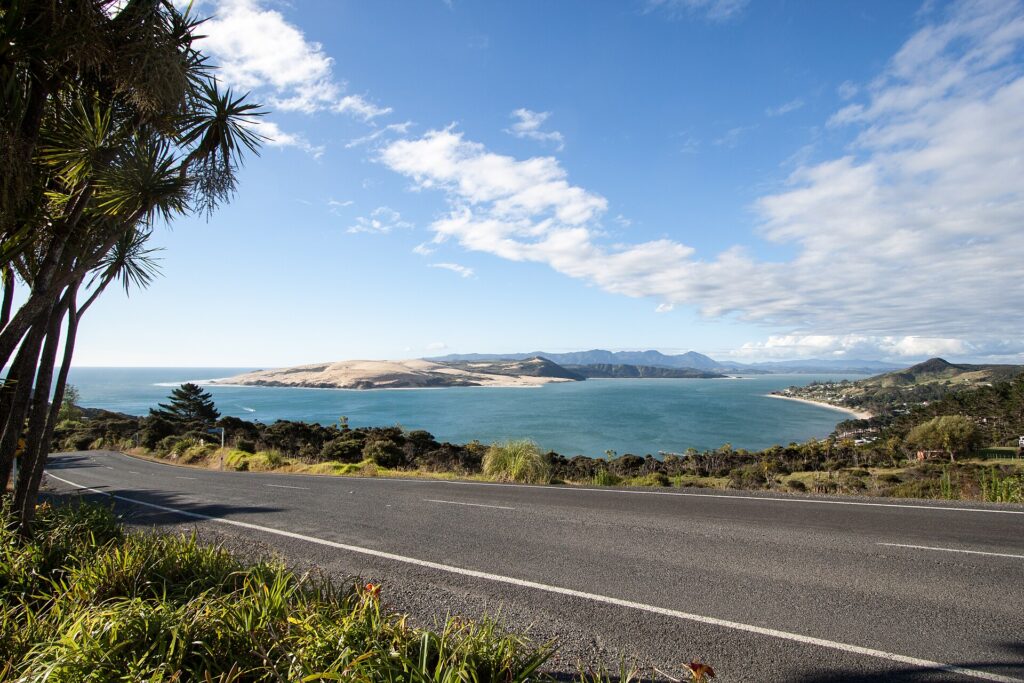
Māori
The culture
Māori of Aotearoa (New Zealand), in their iwi and hapū, descendants of the Polynesian voyagers who arrived by waka (canoe).
Where
Oceania — Aotearoa (New Zealand), Polynesia
Time depth
Māori ancestors arrived in Aotearoa around 1300 CE, bringing and developing a rich Polynesian tradition. The whakapapa reaches back through the ancestors to the primal parents and the origins of the cosmos, an unbroken genealogical web from the beginning of the world to the present.
Living tradition
Yes. Māori culture is lived and growing today, with te reo Māori (the Māori language) an official language of New Zealand, and whakapapa, the marae (meeting grounds), whaikōrero (oratory), and the traditions central to a living and resurgent culture.
Language
Te reo Māori. Oral tradition of great sophistication, whakapapa (genealogical recitation), whaikōrero (formal oratory), karakia (incantation and prayer), waiata (song), and pūrākau (traditional narratives). The recitation of whakapapa, the genealogical web connecting all things, is a central and sacred art.
The world of its stories
Cosmological Structure
A cosmos understood as a vast genealogical web, whakapapa, in which all things, from the primal void to the gods to the natural world to human beings, are connected through descent and relationship. Everything has whakapapa; everything is related. The cosmos unfolds from Te Kore (the void, the potential), through Te Pō (the long night, the darkness), to Te Ao Mārama (the world of light), through the separation of the primal parents Ranginui (Sky Father) and Papatūānuku (Earth Mother) by their children. The whole of existence is a web of genealogical relationship.
Creation
In the beginning was Te Kore (the void/potential), then Te Pō (the long night). Ranginui (the Sky Father) and Papatūānuku (the Earth Mother) lay locked in a tight embrace, their many children crushed in the darkness between them. The children debated; Tāne Mahuta (god of the forests) finally forced them apart, pushing the Sky up and the Earth down, letting in Te Ao Mārama, the world of light. From this separation, and the acts of the divine children (Tāne, Tangaroa, Tūmatauenga, Tāwhirimātea, Rongo, Haumia), the world and its life came to be, all connected by whakapapa.
Time
Genealogical and relational, time is understood through whakapapa, the succession of generations connecting the present to the ancestors and the origins. There is also the sense of walking backward into the future (facing the known past, the ancestors before us, while the unseen future comes behind). The web of relationship extends through time as through the cosmos.
The Sacred
Whakapapa itself: the genealogical web connecting all things, the fundamental sacred structure of reality. Mana (spiritual authority, power, prestige, derived from and flowing through whakapapa and right action). Tapu (the sacred, the restricted) and noa (the ordinary, the free). The primal parents and the divine children. The ancestors (tūpuna). The land (whenua) and the relationship to it. Mauri (the life-force in all things).
Death / Afterlife
The dead join the ancestors (tūpuna) and are honored, especially in the tangihanga (the funeral rites on the marae). The spirit travels to the ancestral homeland (Hawaiki) via Te Rerenga Wairua (the leaping place of spirits). The dead remain part of the whakapapa web, connected to the living; death is a passage within the genealogical web, not a severance. The ancestors are present and honoured, part of the living web of relationship.
Why Web Architecture
The Māori worldview is fundamentally a web of relationship, whakapapa, the genealogical connection binding all things, from the primal void through the gods to the natural world and human beings. Nothing stands alone; everything has whakapapa, everything is related. Story moves by tracing and extending the web: situating its subject within the genealogical connections, extending the web from the origins to the present, strengthening the relationships and the mana that flow through them. A story in this architecture unfolds the web, from the potential of the void, through the establishing of connection and the separation that makes relationship possible, through the extending of the web by the culture-heroes, to the location of the present within the whole related web, and the mana that flows through it. The web is traced and honoured.
Structural Logic
The unfolding, tracing, and strengthening of a web of genealogical relationship. The movement traces connection, from the origins (the void, the potential), through the establishing of the web (the separation that makes relationship and light possible), through its extension (the deeds that shape the world and connect it), to the location of the subject within the whole web and the mana that flows through the connections.
Structural Movement
Te Kore (the void, the origin of the web) → Te Pō (the long night) → the Separation (Rangi and Papa parted, letting in light) → the Web of Connection (whakapapa: all things related) → the Deeds of Māui (the culture-hero extends the web) → Whenua (land and belonging: the subject placed among ancestors and land) → Mana (authority and life running through the web).
Key figures
Supreme Being / Creator
Māori tradition does not center a single creator-god (though later tradition speaks of Io, a supreme being); the cosmos unfolds through Te Kore, Te Pō, the primal parents, and the divine children.
Major Figures
- Ranginui (Rangi), the Sky Father, and Papatūānuku (Papa), the Earth Mother: the primal parents whose separation lets in the light.
- Tāne Mahuta, god of the forests and birds, who separated his parents and created the first woman; a central divine figure.
- Tangaroa (god of the sea), Tūmatauenga (god of war and humankind), Tāwhirimātea (god of winds and storms, who alone opposed the separation), Rongo (cultivated foods), Haumia (wild foods), the divine children.
- Māui: the great culture-hero and trickster, who fished up the North Island, snared the sun, and sought immortality for humankind.
Trickster / Culture Figure
Māui, the incomparable Polynesian trickster-hero, demigod of cleverness and daring, who fished up land, slowed the sun, brought fire, and died attempting to win immortality for humanity. His deeds shape the world.
Ancestor Figures
The tūpuna, the ancestors, central to Māori identity, connected through whakapapa. The primal parents and divine children as the origin of the web. The great ancestral navigators of the waka. The named ancestors of each iwi and hapū, recited in whakapapa.
Who’s Who
Sacred elements
Sacred Objects
The whakapapa itself (the recited genealogy). Taonga (treasures, including greenstone/pounamu, cloaks, and carvings) that carry mana and connect generations. The waka (canoe). The carved meeting house (wharenui), which embodies an ancestor. The mauri (life-force) and objects that hold it.
Sacred Places
The marae (the communal meeting ground and its buildings, the center of Māori community life). The whenua (the land, to which Māori are connected by whakapapa: Papatūānuku is the Earth Mother). Maunga (mountains), awa (rivers), and other features connected to iwi identity. Hawaiki (the ancestral homeland). Te Rerenga Wairua (the spirits' leaping place).
Sacred Practices
The recitation of whakapapa. Whaikōrero (formal oratory) and the pōwhiri (welcome ceremony) on the marae. Karakia (incantation/prayer). Waiata (song). The tangihanga (funeral rites). The maintenance of mana, tapu, and the relationships of the web. The honoring of ancestors and the connection to the land.
Sacred Prohibitions
Tapu (the sacred/restricted) must be respected and not violated; breaches of tapu have serious consequences and require restoration to noa. Mana must be maintained and not diminished through wrong action; the mana of persons, groups, and places is to be respected. The whakapapa and the relationships of the web must be honored. The proper protocols (tikanga) of the marae and of relationship must be observed.
How their stories are told
How Stories Are Told
Through pūrākau (traditional narratives), whakapapa (genealogical recitation), whaikōrero (oratory), waiata (song), and karakia (incantation). The narratives are deeply genealogical and relational, a story situates its subject within the whakapapa web, connecting it to ancestors, gods, land, and the origins. To tell a story is often to trace its whakapapa, its web of connection. The great narratives (the separation of the primal parents, the deeds of Māui, the ancestral voyages) establish and extend the web of relationship.
Who Tells Them
The kaumātua (elders), tohunga (experts/priests), and skilled orators who carry the whakapapa, the pūrākau, and the traditions; the community on the marae; the experts in whaikōrero and karakia.
When They Are Told
On the marae in whaikōrero and pōwhiri, at the tangihanga and other gatherings, in the teaching of whakapapa across generations, and in the ongoing life of iwi and hapū. Whakapapa is recited in formal contexts of identity and connection.
The Purpose of Story
To establish, maintain, and extend the web of relationship, whakapapa, connecting all things: the person to their ancestors and iwi, the people to the gods and the land, the present to the origins. Story traces the web of connection and places everyone within it. Its deepest work is the affirmation and strengthening of relationship and mana through the web of whakapapa, locating each thing in its connections, honoring the ancestors, and binding the living, the dead, the gods, and the land into one related whole.
Signature Story Types
The cosmogonic narrative (Te Kore to Te Ao Mārama, the separation of the primal parents), the deeds of Māui and the culture-heroes, the whakapapa recitations, the ancestral voyaging narratives, and the pūrākau of iwi and hapū.
How their stories are built, step by step
Te reo Māori terms following the unfolding of the whakapapa web from the void to mana.
Te Kore (The Void / The Potential)
Cultural meaning
In the beginning is Te Kore, the void, the nothingness that is also pure potential, the origin from which all whakapapa unfolds. Before form, before light, before the separation, there is the potential of Te Kore, holding within it everything that will come to be related. This is the origin of the web, already holding every connection that will unfold. The web begins in potential.
In brief
From Te Kore, the void, the potential without form, all that would be related had its beginning.
Cultural teaching
In web architecture, begin at the origin of the web, the potential from which all connection will unfold. In Māori tradition this is Te Kore, the void that is pure potential, holding within it everything that will come to be related. Establish your story's origin as a source: everything that will be related later is already present in it.
Te Pō (The Long Night / The Web Latent)
Cultural meaning
From Te Kore comes Te Pō, the long night, the vast darkness, through which the potential moves toward form. In Te Pō the web is latent: the primal parents Ranginui and Papatūānuku lie locked together, their children crushed in the darkness between them, the connections present but not yet unfolded into light. This is the web in its latent, dark phase, relationship existing but not yet able to unfold, waiting in the long night.
In brief
Through the long nights of Te Pō, the parents lay together, and their children waited in the darkness between them, longing for the light.
Cultural teaching
Move through a dark, waiting phase. The web exists, but its members are pressed together in the dark with no room to move. In Māori tradition, Te Pō is the long night in which the primal parents lie locked and the children wait. Let your story move through a phase where the relationships exist but are latent, constrained, not yet able to unfold, the web waiting in the long night for the separation that will let it open.
The Separation (Rangi and Papa Parted / The Web Made Possible)
Cultural meaning
Tāne Mahuta forces the primal parents apart, pushing Ranginui the Sky up and Papatūānuku the Earth down, and Te Ao Mārama, the world of light, comes in. The separation is the pivotal act: it makes relationship possible by creating distinction, space, and light. Only by separating the too-close parents can the web of distinct, related things unfold. The separation is grievous (Rangi and Papa still mourn each other in rain and mist) but necessary. It lets the web open into the world of light.
In brief
Tāne pushed with all his strength, and the Sky Father rose and the Earth Mother sank, and the light of Te Ao Mārama flooded in between them.
Cultural teaching
Include the pivotal act that makes relationship possible, the separation, the creation of distinction and space, that lets the web unfold into the light. In Māori tradition, the parting of the too-close primal parents is what makes the world of distinct, related things possible. Let your story include the pivotal act of distinction or separation (grievous, perhaps, but necessary) that lets the latent web open into a world of relationship and light.
Whakapapa (The Web of Connection Established)
Cultural meaning
With the light, the web of connection, whakapapa, is established and traced: all things related through descent, the divine children shaping their domains (Tāne the forests, Tangaroa the sea, and the rest), the genealogical web extending through all of existence. Everything now has whakapapa, everything is connected. This step is the establishing of the web proper: the tracing of the connections that relate all things, the genealogical structure of the whole world made manifest in the light.
In brief
Everything has whakapapa; the mountains, the rivers, the forests, the people. All are connected in the great web of descent from the origins.
Cultural teaching
Establish the web of connection proper, the tracing of the relationships that connect all things, the genealogical structure of your story's world made manifest. In Māori tradition, once the light comes, whakapapa relates everything: gods, land, people, all connected through descent. Show your story's web of connection in its fullness, the relationships that bind its elements into one related whole, the connections traced and honored.
The Deeds of Māui (The Web Extended)
Cultural meaning
The culture-hero Māui extends the web through his deeds, fishing up the land (the North Island, Te Ika-a-Māui, "the fish of Māui"), snaring and slowing the sun to lengthen the day, bringing fire to humankind. Māui's deeds shape and extend the world, adding to the web of connection, binding humanity more fully into the related whole. This step extends the web through action: the culture-hero's deeds shape the world and add new connections to it.
In brief
Māui fished up the land from the sea, and snared the sun, and brought fire, and by his deeds the world was shaped and the people bound more fully into it.
Cultural teaching
Extend the web through the deeds of a culture-hero, acts that shape the world and add new connections to it. In Māori tradition, Māui's deeds (fishing up land, snaring the sun, bringing fire) extend the world and bind humanity into it. Let your story include the deeds that extend its web, acts that shape the world and bind its members more closely together.
Whenua (The Land and Belonging / Located in the Web)
Cultural meaning
Whenua (the land, and belonging to it) locates the subject within the web. In Māori tradition, whenua means both "land" and "placenta," and Māori are connected to the land by whakapapa (Papatūānuku is the Earth Mother); to belong is to be located within the web through connection to ancestors, iwi, and the land, one's maunga (mountain), awa (river), waka (canoe of arrival). This step locates the story's subject within the whole web: connected to land, ancestors, and people, given identity and belonging through the web of relationship.
In brief
I te timatanga, ko te whenua, I belong to the land, and the land to me; my mountain, my river, my ancestors, and I, all connected.
Cultural teaching
Locate your story's subject within the whole web, connected to land, ancestors, and people, given identity and belonging through the web of relationship. In Māori tradition, to belong is to be located in the whakapapa web through connection to land, iwi, and ancestors. Let your story locate its subject within the web it has unfolded, showing how they belong, how they are connected to the land and the ancestors and the whole, given identity through the web.
Mana (The Authority and Life Flowing Through the Web)
Cultural meaning
Mana (spiritual authority, power, prestige, life-force) flows through the web, strengthened by the connections and by right action. Mana derives from whakapapa (from the ancestors and the origins) and from mana-enhancing deeds and relationships; it flows through the web and is maintained and strengthened by honoring the connections. This step is the culmination: the mana that flows through the whole web of relationship, the authority and life that the strengthened connections carry. The web, fully traced and honored, is alive with mana.
In brief
Mana flows through the whakapapa, from the ancestors and the origins, strengthened by right relationship and honored connection, the life and authority of the whole web.
Cultural teaching
Culminate in the mana that flows through the whole web, the authority, power, and life that the strengthened, honored connections carry. In Māori tradition, mana flows through whakapapa and is strengthened by right relationship. Let your story culminate in the mana of the whole web: the life and authority that run through connections fully traced and honoured.
What makes this tradition distinct
What makes this tradition distinct from all others
The Māori worldview is fundamentally genealogical, whakapapa, the web of descent and connection, relates literally everything, from the void through the gods to mountains, rivers, and people. To know something is to know its whakapapa, its web of connection. The cosmogony unfolds through the poetic sequence of Te Kore (void/potential), Te Pō (the long night), and Te Ao Mārama (the world of light), pivoting on the grievous, necessary separation of the primal parents. Mana (authority/life-force) flows through the web and is strengthened by right relationship. And the culture-hero Māui, the great Polynesian trickster, extends the web through his world-shaping deeds. Belonging is location within the web: connection to land, ancestors, and iwi.
Cultural warnings — what NOT to do
- Do not treat whakapapa as mere family tree. It is the sacred web relating all of existence, the fundamental structure of reality; honor its depth.
- Do not present the separation of the primal parents as simple triumph. It is grievous as well as necessary; Rangi and Papa still mourn each other in rain and mist.
- Do not misuse tapu, mana, or specific whakapapa. These are sacred and specific; teach the architecture without appropriating specific sacred genealogies or protocols.
- Do not conflate Māori with a generic "Polynesian" or overlook the distinct iwi and hapū, Māori are a specific people with specific identities of iwi and hapū, all connected by whakapapa.
The stories
Each story with its source, where to read it and why it fits.
The StoryWorld in Full
StoryWorld · Oceania — Aotearoa (New Zealand), Polynesia
MĀORI — Whakapapa
Māori — the Indigenous Polynesian people of Aotearoa (New Zealand), organized in iwi and hapū, descendants of the Polynesian voyagers who arrived by waka (canoe).
Web architecture
The world as they see it
Cosmological Structure. A cosmos understood as a vast genealogical web — whakapapa — in which all things, from the primal void to the gods to the natural world to human beings, are connected through descent and relationship. Everything has whakapapa; everything is related. The cosmos unfolds from Te Kore (the void, the potential), through Te Pō (the long night, the darkness), to Te Ao Mārama (the world of light), through the separation of the primal parents Ranginui (Sky Father) and Papatūānuku (Earth Mother) by their children. The whole of existence is a web of genealogical relationship.
Creation. In the beginning was Te Kore (the void/potential), then Te Pō (the long night). Ranginui (the Sky Father) and Papatūānuku (the Earth Mother) lay locked in a tight embrace, their many children crushed in the darkness between them. The children debated; Tāne Mahuta (god of the forests) finally forced them apart, pushing the Sky up and the Earth down, letting in Te Ao Mārama, the world of light. From this separation, and the acts of the divine children (Tāne, Tangaroa, Tūmatauenga, Tāwhirimātea, Rongo, Haumia), the world and its life came to be — all connected by whakapapa.
Time. Genealogical and relational — time is understood through whakapapa, the succession of generations connecting the present to the ancestors and the origins. There is also the sense of walking backward into the future (facing the known past, the ancestors before us, while the unseen future comes behind). The web of relationship extends through time as through the cosmos.
The Sacred. Whakapapa itself — the genealogical web connecting all things, the fundamental sacred structure of reality. Mana (spiritual authority, power, prestige — derived from and flowing through whakapapa and right action). Tapu (the sacred, the restricted) and noa (the ordinary, the free). The primal parents and the divine children. The ancestors (tūpuna). The land (whenua) and the relationship to it. Mauri (the life-force in all things).
Death / Afterlife. The dead join the ancestors (tūpuna) and are honored, especially in the tangihanga (the funeral rites on the marae). The spirit journeys to the ancestral homeland (Hawaiki) via Te Rerenga Wairua (the leaping place of spirits). The dead remain part of the whakapapa web, connected to the living; death is a passage within the genealogical web, not a severance. The ancestors are present and honored, woven into the ongoing web of relationship.
The powers and figures
Supreme Being / Creator
Māori tradition does not center a single creator-god in the Western sense (though later tradition speaks of Io, a supreme being); the cosmos unfolds through Te Kore, Te Pō, the primal parents, and the divine children.
Major Figures
Ranginui (Rangi) — the Sky Father, and Papatūānuku (Papa) — the Earth Mother, the primal parents whose separation lets in the light.
Tāne Mahuta — god of the forests and birds, who separated his parents and created the first woman; a central divine figure.
Tangaroa (god of the sea), Tūmatauenga (god of war and humankind), Tāwhirimātea (god of winds and storms, who alone opposed the separation), Rongo (cultivated foods), Haumia (wild foods) — the divine children.
Māui — the great culture-hero and trickster, who fished up the North Island, snared the sun, and sought immortality for humankind.
Trickster / Culture Figure
Māui — the incomparable Polynesian trickster-hero, demigod of cleverness and daring, who fished up land, slowed the sun, brought fire, and died attempting to win immortality for humanity. His deeds shape the world.
Ancestor Figures
The tūpuna — the ancestors, central to Māori identity, connected through whakapapa. The primal parents and divine children as the origin of the web. The great ancestral navigators of the waka. The named ancestors of each iwi and hapū, recited in whakapapa.
Sacred things and places
Sacred Objects. The whakapapa itself (the recited genealogy). Taonga (treasures — including greenstone/pounamu, cloaks, and carvings) that carry mana and connect generations. The waka (canoe). The carved meeting house (wharenui), which embodies an ancestor. The mauri (life-force) and objects that hold it.
Sacred Places. The marae (the communal meeting ground and its buildings, the center of Māori community life). The whenua (the land, to which Māori are connected by whakapapa — Papatūānuku is the Earth Mother). Maunga (mountains), awa (rivers), and other features connected to iwi identity. Hawaiki (the ancestral homeland). Te Rerenga Wairua (the spirits' leaping place).
Sacred Prohibitions. Tapu (the sacred/restricted) must be respected and not violated; breaches of tapu have serious consequences and require restoration to noa. Mana must be maintained and not diminished through wrong action; the mana of persons, groups, and places is to be respected. The whakapapa and the relationships of the web must be honored. The proper protocols (tikanga) of the marae and of relationship must be observed.
How the stories are told
How Stories Are Told. Through pūrākau (traditional narratives), whakapapa (genealogical recitation), whaikōrero (oratory), waiata (song), and karakia (incantation). The narratives are deeply genealogical and relational — a story situates its subject within the whakapapa web, connecting it to ancestors, gods, land, and the origins. To tell a story is often to trace its whakapapa, its web of connection. The great narratives (the separation of the primal parents, the deeds of Māui, the ancestral voyages) establish and extend the web of relationship.
Who Tells Them. The kaumātua (elders), tohunga (experts/priests), and skilled orators who carry the whakapapa, the pūrākau, and the traditions; the community on the marae; the experts in whaikōrero and karakia.
When They Are Told. On the marae in whaikōrero and pōwhiri, at the tangihanga and other gatherings, in the teaching of whakapapa across generations, and in the ongoing life of iwi and hapū. Whakapapa is recited in formal contexts of identity and connection.
The Purpose of Story. To establish, maintain, and extend the web of relationship — whakapapa — connecting all things: the person to their ancestors and iwi, the people to the gods and the land, the present to the origins. Story weaves the web of connection and situates all within it. Its deepest work is the affirmation and strengthening of relationship and mana through the web of whakapapa — locating each thing in its connections, honoring the ancestors, and binding the living, the dead, the gods, and the land into one related whole.
Signature Story Types. The cosmogonic narrative (Te Kore to Te Ao Mārama, the separation of the primal parents), the deeds of Māui and the culture-heroes, the whakapapa recitations, the ancestral voyaging narratives, and the pūrākau of iwi and hapū.
The stories
The Separation of Ranginui and Papatūānuku
Source Māori cosmogonic tradition — the parting of the Sky Father and Earth Mother by their children, letting in the world of light
Why it fits The pivotal act that makes the web possible — the separation creating distinction and light, letting the web of relationship unfold from the long night
The Deeds of Māui
Source Māori (and wider Polynesian) tradition — Māui fishing up the land, snaring the sun, bringing fire, and seeking immortality
Why it fits The extension of the web through the culture-hero's deeds — Māui's world-shaping acts that add to the web of connection and bind humanity into it
Whakapapa — the Genealogical Web
Source Māori tradition — the recitation of whakapapa connecting all things from the origins to the present
Public domain access Documented in public-domain recorded and mythological collections; academic archives; note that specific iwi whakapapa are treasured and specific, and should not be appropriated
Why it fits The web architecture made explicit — the genealogical connection relating all of existence, the fundamental structure the whole tradition traces and honors
How their stories move
The Māori worldview is fundamentally a web of relationship — whakapapa, the genealogical connection binding all things, from the primal void through the gods to the natural world and human beings. Nothing stands alone; everything has whakapapa, everything is related. Story moves not toward the defeat of an enemy but through the weaving and tracing of the web: situating its subject within the genealogical connections, extending the web from the origins to the present, strengthening the relationships and the mana that flow through them. A story in this architecture unfolds the web — from the potential of the void, through the establishing of connection and the separation that makes relationship possible, through the extending of the web by the culture-heroes, to the location of the present within the whole related web, and the mana that flows through it. The web is traced, woven, and honored.
The unfolding, tracing, and strengthening of a web of genealogical relationship. The movement is not conflict-to-resolution but the weaving of connection — from the origins (the void, the potential), through the establishing of the web (the separation that makes relationship and light possible), through its extension (the deeds that shape the world and connect it), to the location of the subject within the whole web and the mana that flows through the connections.
Te Kore (the void, the potential — the origin of the web) → Te Pō (the long night — the web latent in darkness) → the Separation (Rangi and Papa parted — relationship and light made possible, the web able to unfold) → the Web of Connection (whakapapa established — all things related, the connections traced) → the Deeds of Māui (the web extended — the culture-hero's deeds shaping and connecting the world) → Whenua (the land and belonging — the subject located within the web, connected to ancestors and land) → Mana (the authority and life flowing through the web — the strengthened connections, the mana of the whole).
This culture
People · Māori — the Indigenous Polynesian people of Aotearoa (New Zealand), organized in iwi and hapū, descendants of the Polynesian voyagers who arrived by waka (canoe).
Place · Oceania — Aotearoa (New Zealand), Polynesia
Depth · Māori ancestors arrived in Aotearoa around 1300 CE, bringing and developing a rich Polynesian tradition. The whakapapa reaches back through the ancestors to the primal parents and the origins of the cosmos — an unbroken genealogical web from the beginning of the world to the present.
Living · Yes — Māori culture is vibrantly alive, with te reo Māori (the Māori language) an official language of New Zealand, and whakapapa, the marae (meeting grounds), whaikōrero (oratory), and the traditions central to a living and resurgent culture.
Web worlds
AKAN / ANANSI — Web Pattern
MIDDLE EASTERN — The Thousand and One Nights (Nested Storytelling)
HAUDENOSAUNEE — Sky Woman / Great Law
ANDEAN / INCA — Quipu (Khipu) Knotted-Cord Narrative
MELANESIA — Ancestor Presence
UBUNTU / BANTU — Story Circle
YORUBA / IFÁ — Orisha Realms
Mythology Catalog
- Why it fits: The web architecture made explicit — the genealogical connection relating all of existence, the fundamental structure the whole tradition traces and honors
GriotsWell · Simplified Lore Library · Māori (Whakapapa) · July 2026
The Guide
GriotsWell StoryWorlds · Guide
Māori narrative tradition — whakapapa (genealogical connection) and the web of relations
Web architecture · 7 steps
How it moves
- Te Kore — The Void / The Potential
- Te Pō — The Long Night / The Web Latent
- The Separation — Rangi and Papa Parted / The Web Made Possible
- Whakapapa — The Web of Connection Established
- The Deeds of Māui — The Web Extended
- Whenua — The Land and Belonging / Located in the Web
- Mana — The Authority and Life Flowing Through the Web
Te Kore (the void, the potential — the origin of the web) → Te Pō (the long night — the web latent in darkness) → the Separation (Rangi and Papa parted — relationship and light made possible, the web able to unfold) → the Web of Connection (whakapapa established — all things related, the connections traced) → the Deeds of Māui (the web extended — the culture-hero's deeds shaping and connecting the world) → Whenua (the land and belonging — the subject located within the web, connected to ancestors and land) → Mana (the authority and life flowing through the web — the strengthened connections, the mana of the whole). ---
Why it is told this way
The unfolding, tracing, and strengthening of a web of genealogical relationship. The movement is not conflict-to-resolution but the weaving of connection — from the origins (the void, the potential), through the establishing of the web (the separation that makes relationship and light possible), through its extension (the deeds that shape the world and connect it), to the location of the subject within the whole web and the mana that flows through the connections.
To establish, maintain, and extend the web of relationship — whakapapa — connecting all things: the person to their ancestors and iwi, the people to the gods and the land, the present to the origins. Story weaves the web of connection and situates all within it. Its deepest work is the affirmation and strengthening of relationship and mana through the web of whakapapa — locating each thing in its connections, honoring the ancestors, and binding the living, the dead, the gods, and the land into one related whole.
What this StoryWorld asks
- Does your story unfold as a web of connection (whakapapa) relating all its elements, rather than a conflict to resolve?
- Does it move from potential (the void) through a latent dark phase to the light, pivoting on a necessary separation?
- Is the subject located within the web through belonging — connection to land, ancestors, and people?
- Does the story culminate in the mana (life/authority) flowing through the strengthened web, rather than a victory?
At a glance
People Māori — the Indigenous Polynesian people of Aotearoa (New Zealand), organized in iwi and hapū, descendants of the Polynesian voyagers who arrived by waka (canoe).
Region Oceania — Aotearoa (New Zealand), Polynesia
Time depth Māori ancestors arrived in Aotearoa around 1300 CE, bringing and developing a rich Polynesian tradition.
Living tradition Yes — Māori culture is vibrantly alive, with te reo Māori (the Māori language) an official language of New Zealand, and whakapapa, the marae (meeting grounds), whaikōrero (oratory), and the traditions central to a living and resurgent culture.
How it is carried Te reo Māori. Oral tradition of great sophistication — whakapapa (genealogical recitation), whaikōrero (formal oratory), karakia (incantation and prayer), waiata (song), and pūrākau (traditional narratives).
“From Te Kore, the void, the potential without form, all that would be related had its beginning.”— Māori cosmogonic tradition
Keep faith with it
- Do not treat whakapapa as mere family tree — it is the sacred web relating all of existence, the fundamental structure of reality; honor its depth. - Do not present the separation of the primal parents as simple triumph — it is grievous as well as necessary; Rangi and Papa still mourn each other in rain and mist.