Tagalog, Visayan & Ilocano — Bathala / Diwata
Philippine mythology: the tradition of Bathala, the diwata, and the babaylan
The Tagalog, Visayan (Bisaya, including the Sulodnon of Panay), Ilocano, Bikolano, Kapampangan and other cultures of the Philippine archipelago, whose cosmology centres on Bathala, the diwata and anito, and the babaylan who mediate between the worlds.
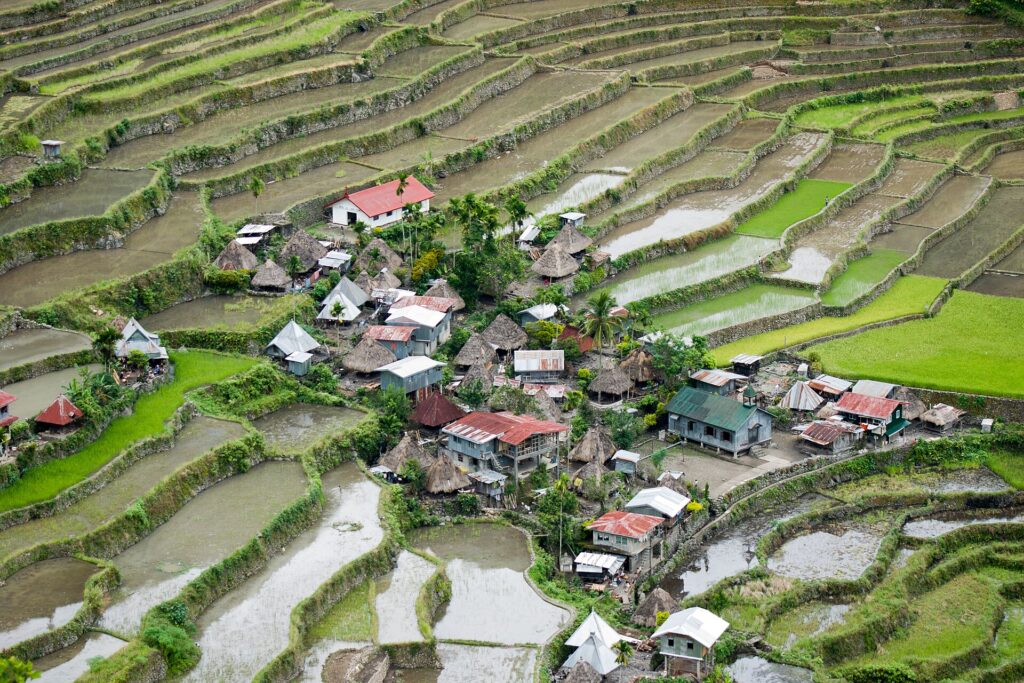
Tagalog, Visayan & Ilocano
The culture
The Tagalog, Visayan (Bisaya, including the Sulodnon of Panay), Ilocano, Bikolano, Kapampangan and other cultures of the Philippine archipelago, whose cosmology centres on Bathala, the diwata and anito, and the babaylan who mediate between the worlds.
Where
Southeast Asia — Island Southeast Asia (the Philippine archipelago)
Time depth
Ancient: the traditions reach back into the deep Austronesian past, many centuries before 1565. Much lives on in oral tradition, in the epics and in folk practice.
Living tradition
Yes. In the epics still sung, in the babaylan and catalonan traditions among some communities, in folk practice, and in a contemporary revival of Filipino spirituality and identity.
Language
Tagalog, Visayan languages, Ilocano, and many others. Oral tradition, the epics (like the Ilocano Biag ni Lam-ang and the Visayan Hinilawod), chanted at length; the babaylan's ritual chants; folk tales and origin stories. Song and chant are the primary sacred media.
The world of its stories
Cosmological Structure
A layered cosmos of three realms, the sky world (kaluwalhatian/langit, home of Bathala and the sky deities), the earthly middle world of humans, and the underworld. These realms are connected and interpenetrating; the diwata (nature spirits and deities) and anito (ancestral spirits) move between them and dwell in the natural world. The cosmos is alive with spirit. Every river, mountain, and old tree may house a diwata or anito who must be respected.
Creation
Bathala (Bathalang Maykapal, "Bathala the Creator") is the supreme creator in the Tagalog tradition, who made the world and the first humans. In many origin stories, the first man and woman emerge from a bamboo split open by a bird, or the sky and sea give rise to land through the actions of birds and deities. Creation establishes the layered world and the relationship of humans to the diwata and anito.
Time
Cyclical, the rhythms of planting and harvest, the seasons, the recurring need to restore right relationship with the diwata and anito, the cycle of life, death, and ancestral return. Time turns through the recurring restoration of harmony between the human world and the spirit world, disrupted and renewed again and again.
The Sacred
The diwata (nature deities and spirits) and anito (ancestral spirits) who inhabit the living world. Bathala, the supreme creator. The babaylan (also catalonan, mumbaki, and other names), the shaman-priest, usually a woman (or a feminized man, the asog/bayok), who mediates between the human and spirit worlds. The sacred groves, rivers, and mountains. Right relationship (harmony) with the spirit world.
Death / Afterlife
The dead become anito, ancestral spirits who remain connected to the living, dwelling in the spirit world and in the natural places, honored and consulted. Death is a passage to the ancestors within the layered cosmos; the anito return and guide the living, and must be kept in right relationship. The cycle of life continues through the ancestral spirits' ongoing presence.
Why Cyclical Architecture
Philippine tradition is deeply cyclical, the epics move their heroes through cycles of adventure, death, and revival (Lam-ang dies and is brought back to life); the relationship with the diwata and anito is broken and restored again and again; the rhythms of planting and harvest, life and death, and ancestral return turn continually. A story in this architecture moves through divine design, disruption of harmony, the search for spiritual guidance, ancestral counsel, communal testing and the return to wholeness. It ends in harmony restored, harmony that will need restoring again. Death is a passage within the turning wheel.
Structural Logic
Movement through a cycle of harmony, disruption, spiritual mediation, and restoration, ending in restored wholeness that reopens the cycle. Disruption is a breaking of right relationship with the spirit world; resolution is its restoration through the babaylan's mediation, ancestral counsel, and the community's action. Death and revival, breaking and healing, are phases of the turning wheel.
Structural Movement
Bathala's Design (the divine plan, the created order) → Diwata's Gift (the sacred natural world, the blessing) → the disruption of harmony (right relationship broken) → Babaylan's Vision (the spiritual reading, the mediation sought) → Anito's Warning (ancestral counsel, the guidance of the dead) → the Trial (communal testing, the working-out) → Pagbabalik (the return to wholeness, harmony restored, the cycle reopened).
Key figures
Supreme Being / Creator
Bathala (Bathalang Maykapal), the supreme creator deity of the Tagalog, dwelling in the sky world, maker of the world and of humankind, the source and sustainer. (Other Philippine cultures have their own supreme deities: e.g., Kaptan and Magwayen among the Visayans, Kabunian among some northern cultures.)
Major Deities / Spirits
- The diwata: nature deities and spirits, guardians of the natural world, who bless or withhold, and must be honored. Some are great deities; some are local spirits of place.
- The anito, ancestral spirits, the honored dead, who remain in relationship with the living.
- Regional deities, such as the Visayan Kaptan (sky) and Magwayen (sea), or figures from the epics.
Trickster / Culture Figure
Philippine tradition includes trickster and culture-hero figures, and the epic heroes (like Lam-ang of the Ilocano epic, born speaking and possessed of extraordinary powers) who move through cycles of adventure, death, and revival.
Ancestor Figures
The anito: the ancestral spirits, central to the tradition, honored at household and community shrines, consulted through the babaylan, and kept in right relationship as guardians of the living.
Who’s Who
Sacred elements
Sacred Objects
The babaylan's ritual implements and offerings. The anito figures (small carved representations of ancestral spirits) kept in homes. Offerings of food, rice wine, and betel nut to the diwata and anito. Sacred heirlooms.
Sacred Places
Sacred groves, old and great trees (balete trees especially, believed to house spirits), rivers, springs, mountains, and caves where diwata and anito dwell. The household shrine to the anito. Places of the epics.
Sacred Practices
The babaylan's rituals of healing, divination, and mediation with the spirit world, including trance, chant, and offering. The pag-anito (ceremonies honoring and consulting the ancestral spirits). Offerings to the diwata at planting, harvest, and times of need. The chanting of the epics. The maintenance of right relationship with the spirit world.
Sacred Prohibitions
Do not offend or neglect the diwata and anito, disrespect brings illness, misfortune, or the withholding of blessing. Do not disturb sacred places (the balete tree, the grove, the spirit's dwelling) without proper respect and offering (hence the traditional "tabi-tabi po", "excuse me", spoken when passing a spirit's place). Keep the ancestral relationship. Respect the babaylan's role and the spirit world's power.
How their stories are told
How Stories Are Told
Through chanted epic (the long heroic epics sung over many hours or nights), through the babaylan's ritual chants, and through folk tales and origin stories told in the community. The epics follow heroes through cycles of adventure, trial, death, and revival; the origin stories establish the layered cosmos and the relationship with the diwata and anito. Story is often cyclical: the hero dies and revives, the harmony is broken and restored, the cycle turns.
Who Tells Them
The babaylan (shaman-priest) for ritual chant and mediation; the epic chanters (a specialized and honored role) for the long heroic epics; elders and community members for folk tales and origin stories.
When They Are Told
At rituals of healing, divination, planting, harvest, and life-transition; at gatherings and celebrations where the epics are sung; in the ordinary transmission of folk tales and origin stories. The epics especially are performed on important occasions.
The Purpose of Story
To maintain and restore the right relationship between the human world and the spirit world, to honor the diwata and anito, to seek their blessing and guidance, and to affirm the layered cosmos and the human place within it. Story restores harmony, again and again, as the cycle turns; it heals, guides, blesses, and remembers. The epics affirm the cyclical resilience of the hero and the community, death and revival, disruption and restoration.
Signature Story Types
The heroic epics (Biag ni Lam-ang, Hinilawod, and others), origin and creation stories (Bathala's creation, the bamboo origin of humankind), babaylan ritual chants, diwata and anito tales, and the cyclical death-and-revival hero narratives.
How their stories are built, step by step
Named from the Philippine cosmological and ritual world, tracing the cycle of harmony, disruption, and restoration.
Bathala's Design (The Divine Plan)
Cultural meaning
The story begins with the created order, Bathala's design, the layered cosmos, the world as it was made and meant to be. The sky world, the human world, the spirit world, all in their proper relationship. This is the harmony that the cycle will disrupt and restore, the divine plan established as the baseline of right relationship.
In brief
Bathala made the world and set each thing in its place; the sky above, the earth below, and the spirits in between.
Cultural teaching
In this cyclical architecture, begin by establishing the created order, the divine design, the layered world in right relationship. This is the harmony the cycle will move away from and return to. Establish the world as it was made and meant to be, the proper relationship between the human and the spirit worlds, so that its disruption and restoration can drive the turning wheel.
Diwata's Gift (Sacred Nature / The Blessing)
Cultural meaning
The diwata, the nature deities and spirits, bless the world with their gifts: the fertility of the land, the abundance of the harvest, the blessings of the natural world, given in exchange for right relationship and honor. This step establishes the living, spirit-filled natural world and the blessing that flows when harmony is kept, the good that the coming disruption will threaten.
In brief
The diwata dwell in the great trees and the rivers; honor them, and the land gives; forget them, and it withholds.
Cultural teaching
Establish the living, spirit-filled world and the blessing that flows from right relationship with it. In Philippine tradition the natural world is alive with diwata whose gifts depend on being honored. Show the abundance, the blessing, the good that flows when harmony is kept, so that the disruption to come has something real to threaten, and the restoration something real to recover.
Babaylan's Vision (The Spiritual Reading / Harmony Disrupted)
Cultural meaning
Harmony is broken, a wrong done, a spirit offended, a relationship severed, a sickness or misfortune arriving as the sign. The babaylan, the shaman-priest, is called to read the disruption: to enter trance, consult the spirit world, and diagnose what has gone wrong in the relationship between the human and the spirit worlds. This step is the disruption revealed and read, the breaking of harmony diagnosed by the one who mediates.
In brief
When sickness comes without cause, the babaylan listens to the spirits to learn what harmony was broken.
Cultural teaching
Let the disruption of harmony be revealed and read by a mediator between worlds. In Philippine tradition, misfortune signals a broken relationship with the spirit world, and the babaylan diagnoses it. Frame your story's disruption relationally (a harmony broken, a spirit offended) and let a mediating figure read and name what has gone wrong, rather than simply introducing an enemy.
Anito's Warning (Ancestral Counsel)
Cultural meaning
The anito, the ancestral spirits, give their counsel. Through the babaylan's mediation, the honored dead speak: warning, guiding, revealing what must be done to restore harmony. The ancestors, ever-present in the layered cosmos, offer the wisdom of those who came before. This step brings the ancestors' guidance to bear on the disruption, the counsel that points toward restoration.
In brief
The anito do not abandon their children; they warn and guide, for they too once walked the earth.
Cultural teaching
Bring the counsel of the ancestors to bear on the disruption. In Philippine tradition the anito, the honored dead, remain present and guide the living toward restored harmony. Let your story draw on ancestral wisdom, the guidance of those who came before, revealing what must be done to restore the broken relationship. The dead are not gone; they counsel the living within the turning cycle.
The Trial (Community Testing / The Working-Out)
Cultural meaning
The community acts on the counsel, undertaking the trial, the testing, the working-out of what restoration requires. This may be the epic hero's ordeal (Lam-ang's battles and even his death), the community's ritual, the offering, the difficult task the ancestors named. The trial is the cycle's testing phase, the community's action to restore the broken harmony, which may pass through death itself before revival.
From the Biag ni Lam-ang (paraphrase)
Lam-ang dives for the rarang shell and is swallowed by the berkakan fish; his bones are brought up from the river and he rises again.
Cultural teaching
Let the community undertake the trial of restoration, the ordeal, the testing, the working-out of what the ancestors' counsel requires. In Philippine epic, this trial may even pass through the hero's death, for death is not final in the cyclical world. Let your story's restoration demand a genuine communal trial, an ordeal undertaken to mend the broken harmony, which may pass through loss before renewal.
Pagbabalik (The Return to Wholeness / The Cycle Reopened)
Cultural meaning
Pagbabalik, the return, brings restoration: harmony re-established, the diwata and anito honored again, the community made whole, the epic hero revived. But this restoration is not a final victory; it reopens the cycle. The relationship with the spirit world will be disrupted again, and restored again, as the seasons turn and the generations pass. The wheel completes to turn once more, harmony restored and the cycle continuing.
In brief
The hero rose again, the harmony returned, and the people knew that what was broken can always be made whole once more.
Cultural teaching
End with the return to wholeness (harmony restored, the spirit world honored again, the community made whole, even the dead revived) but as a reopening of the cycle, not a final victory. In a cyclical world the harmony will need restoring again; the wheel turns. Let your story close on wholeness restored and the relationship renewed, with the wheel still turning.
What makes this tradition distinct
What makes this tradition distinct from all others
Philippine tradition centers the babaylan (the shaman-priest, usually a woman) as the mediator between the human and spirit worlds, a strikingly female-centered spiritual authority. Its cosmos is densely alive with diwata (nature spirits) and anito (ancestors) with whom right relationship must be continually maintained and restored. Its epics feature cyclical death-and-revival (the hero dies and returns), embodying a cosmos where death is a passage, not an ending. And it lives on in the epics and in folk practice, part of a living revival of Filipino identity.
Cultural warnings — what NOT to do
- Honor the Philippine cosmology (Bathala, diwata, anito, babaylan) in its own terms.
- Do not conflate the distinct Philippine cultures (Tagalog, Visayan, Ilocano, and many others) into one generic group, name specific cultures and their specific deities where possible.
- Do not diminish the babaylan. She is a central spiritual authority, and the tradition's female-centered mediation is significant.
- Do not treat death as final, the cyclical death-and-revival of the epics is essential to the worldview.
The stories
Each story with its source, where to read it and why it fits.
The StoryWorld in Full
StoryWorld · Southeast Asia — Island Southeast Asia (the Philippine archipelago)
PHILIPPINE — Bathala / Diwata
Philippine cultures — Tagalog, Visayan (Bisaya), Ilocano, Bikolano, Kapampangan, and many others — of the pre-colonial Philippine archipelago, before and beneath the Spanish colonial and Catholic overlay.
Cyclical architecture
The world as they see it
Cosmological Structure. A layered cosmos of three realms — the sky world (kaluwalhatian/langit, home of Bathala and the sky deities), the earthly middle world of humans, and the underworld. These realms are connected and interpenetrating; the diwata (nature spirits and deities) and anito (ancestral spirits) move between them and dwell in the natural world. The cosmos is alive with spirit — every river, mountain, and old tree may house a diwata or anito who must be respected.
Creation. Bathala (Bathalang Maykapal, "Bathala the Creator") is the supreme creator in the Tagalog tradition, who made the world and the first humans. In many origin stories, the first man and woman emerge from a bamboo split open by a bird, or the sky and sea give rise to land through the actions of birds and deities. Creation establishes the layered world and the relationship of humans to the diwata and anito.
Time. Cyclical — the rhythms of planting and harvest, the seasons, the recurring need to restore right relationship with the diwata and anito, the cycle of life, death, and ancestral return. Time turns through the recurring restoration of harmony between the human world and the spirit world, disrupted and renewed again and again.
The Sacred. The diwata (nature deities and spirits) and anito (ancestral spirits) who inhabit the living world. Bathala, the supreme creator. The babaylan (also catalonan, mumbaki, and other names) — the shaman-priest, usually a woman (or a feminized man, the asog/bayok), who mediates between the human and spirit worlds. The sacred groves, rivers, and mountains. Right relationship (harmony) with the spirit world.
Death / Afterlife. The dead become anito — ancestral spirits who remain connected to the living, dwelling in the spirit world and in the natural places, honored and consulted. Death is a passage into the ancestral realm within the layered cosmos, not a final departure; the anito return, guide, and must be kept in right relationship. The cycle of life continues through the ancestral spirits' ongoing presence.
The powers and figures
Supreme Being / Creator
Bathala (Bathalang Maykapal) — the supreme creator deity of the Tagalog, dwelling in the sky world, maker of the world and of humankind, the source and sustainer. (Other Philippine cultures have their own supreme deities — e.g., Kaptan and Magwayen among the Visayans, Kabunian among some northern cultures.)
Major Deities / Spirits
The diwata — nature deities and spirits, guardians of the natural world, who bless or withhold, and must be honored. Some are great deities; some are local spirits of place.
The anito — ancestral spirits, the honored dead, who remain in relationship with the living.
Regional deities — such as the Visayan Kaptan (sky) and Magwayen (sea), or figures from the epics.
Trickster / Culture Figure
Ancestor Figures
The anito — the ancestral spirits, central to the tradition, honored at household and community shrines, consulted through the babaylan, and kept in right relationship as guardians of the living.
Sacred things and places
Sacred Objects. The babaylan's ritual implements and offerings. The anito figures (small carved representations of ancestral spirits) kept in homes. Offerings of food, rice wine, and betel nut to the diwata and anito. Sacred heirlooms.
Sacred Places. Sacred groves, old and great trees (balete trees especially, believed to house spirits), rivers, springs, mountains, and caves where diwata and anito dwell. The household shrine to the anito. Places of the epics.
Sacred Practices. The babaylan's rituals of healing, divination, and mediation with the spirit world — including trance, chant, and offering. The pag-anito (ceremonies honoring and consulting the ancestral spirits). Offerings to the diwata at planting, harvest, and times of need. The chanting of the epics. The maintenance of right relationship with the spirit world.
Sacred Prohibitions. Do not offend or neglect the diwata and anito — disrespect brings illness, misfortune, or the withholding of blessing. Do not disturb sacred places (the balete tree, the grove, the spirit's dwelling) without proper respect and offering (hence the traditional "tabi-tabi po" — "excuse me" — spoken when passing a spirit's place). Keep the ancestral relationship. Respect the babaylan's role and the spirit world's power.
How the stories are told
How Stories Are Told. Through chanted epic (the long heroic epics sung over many hours or nights), through the babaylan's ritual chants, and through folk tales and origin stories told in the community. The epics follow heroes through cycles of adventure, trial, death, and revival; the origin stories establish the layered cosmos and the relationship with the diwata and anito. Story is often cyclical — the hero dies and revives, the harmony is broken and restored, the cycle turns.
Who Tells Them. The babaylan (shaman-priest) for ritual chant and mediation; the epic chanters (a specialized and honored role) for the long heroic epics; elders and community members for folk tales and origin stories.
When They Are Told. At rituals of healing, divination, planting, harvest, and life-transition; at gatherings and celebrations where the epics are sung; in the ordinary transmission of folk tales and origin stories. The epics especially are performed on important occasions.
The Purpose of Story. To maintain and restore the right relationship between the human world and the spirit world — to honor the diwata and anito, to seek their blessing and guidance, and to affirm the layered cosmos and the human place within it. Story restores harmony, again and again, as the cycle turns; it heals, guides, blesses, and remembers. The epics affirm the cyclical resilience of the hero and the community — death and revival, disruption and restoration.
Signature Story Types. The heroic epics (Biag ni Lam-ang, Hinilawod, and others), origin and creation stories (Bathala's creation, the bamboo origin of humankind), babaylan ritual chants, diwata and anito tales, and the cyclical death-and-revival hero narratives.
The stories
Biag ni Lam-ang (The Life of Lam-ang)
Source Ilocano epic — the hero Lam-ang, born speaking, who avenges his father, wins his bride, dies, and is revived
Public domain access The epic is public domain; English translations available via academic archives and Internet Archive; part of the Philippine literary canon
Why it fits The definitive cyclical death-and-revival hero narrative — Lam-ang's passage through adventure, death, and return embodying the turning wheel where death is not final
The Creation by Bathala (and the Bamboo Origin of Humankind)
Source Tagalog creation tradition — Bathala's making of the world, and the emergence of the first man and woman from a split bamboo
Public domain access Philippine mythology collections (public domain); recorded records; Internet Archive
Why it fits The establishment of the created order and the layered cosmos — the divine design that the cycle disrupts and restores
Hinilawod (The Visayan Epic)
Source Visayan (Sulodnon) epic — one of the longest epics in the world, following the adventures of the demigod brothers
Public domain access Documented and translated in academic collections; Internet Archive; Philippine literary archives
Why it fits The cyclical epic movement through trial, the spirit world, and restoration — the diwata and the layered cosmos enacted through the heroes' turning adventures
How their stories move
Philippine tradition is deeply cyclical — the epics move their heroes through cycles of adventure, death, and revival (Lam-ang dies and is brought back to life); the relationship with the diwata and anito is broken and restored again and again; the rhythms of planting and harvest, life and death, and ancestral return turn continually. A story in this architecture moves through the cycle of divine design, disruption of harmony, the seeking of spiritual guidance, ancestral counsel, communal testing, and the return to wholeness — ending not in final victory but in restored harmony that will need restoring again, the cycle turning. Death is not an ending but a passage within the turning wheel.
This culture
People · Philippine cultures — Tagalog, Visayan (Bisaya), Ilocano, Bikolano, Kapampangan, and many others — of the pre-colonial Philippine archipelago, before and beneath the Spanish colonial and Catholic overlay.
Place · Southeast Asia — Island Southeast Asia (the Philippine archipelago)
Depth · Ancient — the indigenous traditions predate Spanish colonization (which began 1565) by centuries and reach back into the deep Austronesian past. Much survives in oral tradition, in the epics, and beneath the surface of folk Catholicism.
Living · Yes — though disrupted by centuries of colonization, indigenous Philippine spiritual traditions survive: in the epics still sung, in the babaylan/catalonan traditions among some communities, in folk practice, and in a vibrant contemporary revival of pre-colonial Filipino spirituality and identity.
Cyclical worlds
NATIVE AMERICAN — Animal Guide Journey (Structural Tradition)
NAHUA / MEXICA — Aztec Codex (Amoxtli)
BABYLONIAN — Enuma Elish
BAKONGO — Congo Cosmogram
DOGON — Creation Cycle
KOJIKI / SHINTO — Amaterasu
K'ICHE' MAYA — Creation Cycle (Popol Vuh)
LAKOTA — Medicine Wheel / Sacred Hoop (Structural Tradition)
NATIVE AMERICAN — Medicine Wheel Story (Circular Narrative, Structural Tradition)
What makes this tradition distinct
Philippine tradition centers the babaylan — the shaman-priest, usually a woman — as the mediator between the human and spirit worlds, a strikingly female-centered spiritual authority. Its cosmos is densely alive with diwata (nature spirits) and anito (ancestors) with whom right relationship must be continually maintained and restored. Its epics feature cyclical death-and-revival (the hero dies and returns), embodying a cosmos where death is a passage, not an ending. And it survives beneath centuries of colonial overlay, making its recovery part of a living reclamation of pre-colonial Filipino identity.
Cultural warnings — what NOT to do
- Do not overlay Spanish-colonial Catholic framing onto the pre-colonial tradition — honor the indigenous cosmology (Bathala, diwata, anito, babaylan) in its own terms.
Mythology Catalog
Story 1: Biag ni Lam-ang (The Life of Lam-ang)
- Why it fits: The definitive cyclical death-and-revival hero narrative — Lam-ang's passage through adventure, death, and return embodying the turning wheel where death is not final
Story 2: The Creation by Bathala (and the Bamboo Origin of Humankind)
- Why it fits: The cyclical epic movement through trial, the spirit world, and restoration — the diwata and the layered cosmos enacted through the heroes' turning adventures
GriotsWell · Simplified Lore Library · Philippine (Bathala/Diwata) · July 2026
The Guide
GriotsWell StoryWorlds · Guide
Pre-colonial Philippine mythology — the tradition of Bathala, the diwata, and the babaylan
Cyclical architecture · 6 steps
How it moves
- Bathala's Design — The Divine Plan
- Diwata's Gift — Sacred Nature / The Blessing
- Babaylan's Vision — The Spiritual Reading / Harmony Disrupted
- Anito's Warning — Ancestral Counsel
- The Trial — Community Testing / The Working-Out
- Pagbabalik — The Return to Wholeness / The Cycle Reopened
Bathala's Design (the divine plan, the created order) → Diwata's Gift (the sacred natural world, the blessing) → the disruption of harmony (right relationship broken) → Babaylan's Vision (the spiritual reading, the mediation sought) → Anito's Warning (ancestral counsel, the guidance of the dead) → the Trial (communal testing, the working-out) → Pagbabalik (the return to wholeness, harmony restored, the cycle reopened). ---
Why it is told this way
Movement through a cycle of harmony, disruption, spiritual mediation, and restoration — ending in restored wholeness that reopens the cycle. Disruption is a breaking of right relationship with the spirit world; resolution is its restoration through the babaylan's mediation, ancestral counsel, and the community's action. Death and revival, breaking and healing, are phases of the turning wheel.
To maintain and restore the right relationship between the human world and the spirit world — to honor the diwata and anito, to seek their blessing and guidance, and to affirm the layered cosmos and the human place within it. Story restores harmony, again and again, as the cycle turns; it heals, guides, blesses, and remembers. The epics affirm the cyclical resilience of the hero and the community — death and revival, disruption and restoration.
What this StoryWorld asks
- Is your story's disruption a broken relationship with the spirit world rather than an enemy's attack?
- Is there a mediator (a babaylan figure) who reads and diagnoses the spiritual disruption?
- Do the ancestors (anito) actively counsel the living toward restoration?
- Does your story's cycle pass through death-and-revival, and end in restored harmony that reopens rather than closes?
At a glance
Region Southeast Asia — Island Southeast Asia (the Philippine archipelago)
Time depth Ancient — the indigenous traditions predate Spanish colonization (which began 1565) by centuries and reach back into the deep Austronesian past. Much survives in oral tradition, in the epics, and beneath the surface of folk Catholicism.
How it is carried Tagalog, Visayan languages, Ilocano, and many others. Oral tradition — the epics (like the Ilocano Biag ni Lam-ang and the Visayan Hinilawod), chanted at length; the babaylan's ritual chants; folk tales and origin stories.
“Bathala made the world and set each thing in its place; the sky above, the earth below, and the spirits in between.”— Tagalog creation tradition