Icelandic — Norse Saga
Norse saga tradition, the Icelandic sagas and the Eddic mythology of fate and honor
Norse: the medieval Icelanders and the wider Scandinavian world, heirs to the Viking Age, who preserved the sagas and the Eddic mythology.
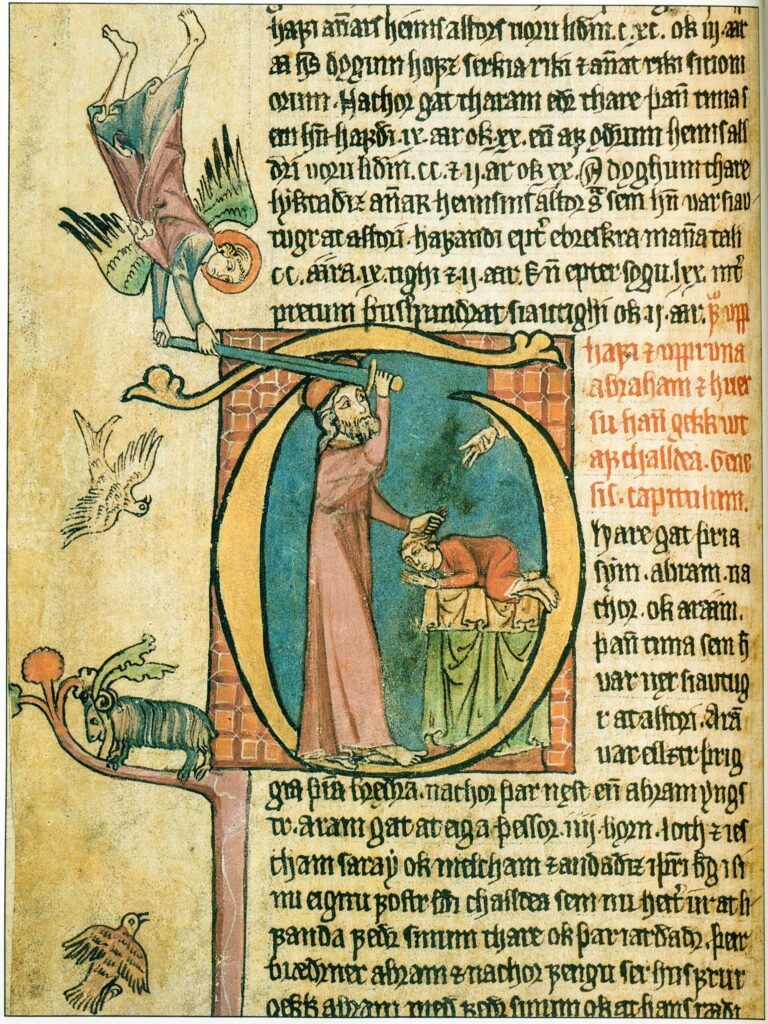
Icelandic
The culture
Norse: the medieval Icelanders and the wider Scandinavian world, heirs to the Viking Age, who preserved the sagas and the Eddic mythology.
Where
Europe — Scandinavia / Iceland (the Norse world)
Time depth
The sagas were written down in medieval Iceland (12th–14th centuries), preserving events and traditions of the Viking Age (9th–11th centuries) and the older Eddic mythology.
Living tradition
The medieval sagas are a completed literary corpus, but Norse mythology and the saga heritage remain a vital, living cultural inheritance and a resurgent interest across Scandinavia and beyond.
Language
Old Norse (Old Icelandic). The tradition is preserved in the great prose sagas (the family sagas, the legendary sagas) and in the Eddic poetry (the Poetic Edda and Snorri's Prose Edda): chronicling deeds, feuds, fate, and honor in a spare, powerful narrative style.
The world of its stories
Cosmological Structure
A cosmos of nine worlds held by the great ash Yggdrasil, presided over by the gods (the Æsir and Vanir) but governed, beneath even the gods, by wyrd, the fate that not even the gods escape. The world moves toward Ragnarök, the fated doom of the gods. Within this fated cosmos, human life is the working-out of deeds and their consequences toward a destiny already set, faced with courage and honour.
Creation
The world was made from the body of the primordial giant Ymir, in the gap of Ginnungagap between fire and ice; the gods shaped the worlds and set them on the great tree Yggdrasil, at whose roots the Norns set the fates of all.
Time
Linear and fated, the working-out of destiny toward its appointed end. Wyrd (fate) is set by the Norns; deeds unfold in sequence toward the consequences and the destiny already set. Time moves toward Ragnarök for the gods, and toward the fated end of each life for mortals. The saga follows the chain of deed and consequence to its set end.
The Sacred
Wyrd (fate): inescapable, and faced with courage. Honor and reputation, the deed and the name that outlive the man. Courage in the face of the fated end. The Norns who set destiny. The gods and the deeds of the mythology. The bonds of kinship, loyalty, and the blood-feud.
Death / Afterlife
The slain heroes go to Valhalla (or Fólkvangr) to await Ragnarök; others to Hel. Death is faced with courage, for it is fated, and what matters is how one meets it and the honor and reputation that outlive one. The name and deeds endure in memory even when the man falls; the saga itself is the preservation of that enduring reputation.
Why Linear Architecture
The saga unfolds as a largely linear, chronological chain of deed and consequence, moving inexorably toward the fated end. An original deed sets events in motion; wyrd is set; the chain of consequence escalates through conflicts and complications toward the resolution and its reckoning of honor, and beyond to the legacy that endures. This is Linear in its Norse form: cause and effect, deed leading to deed, toward a destiny already set and the memory that outlives it.
Structural Movement (matching the StoryWorld's cultural steps)
Upphafsverkin (the original deed, the act that sets the chain in motion) → Wyrd Weaving (the destiny set) → Persónur og Tengsl (characters and bonds, the loyalties and kinships established) → Átök og Flækjur (conflicts and complications, the chain of consequence escalating) → Yfirnáttúruleg Öfl (supernatural forces, the fated and otherworldly powers bearing on events) → Úrlausn og Virðing (resolution and honor, the reckoning, met with courage) → Arfleifð og Minni (legacy and memory, the name and deeds that endure).
Key figures
The Gods
Odin (the All-Father, seeker of wisdom, lord of the slain), Thor (defender, thunder), Freyja and the Vanir, Loki (the trickster whose deeds drive toward Ragnarök), and the wider pantheon.
Major Figures
- The saga heroes, the men and women of the Icelandic family sagas (Gunnar and Njáll of Njáls saga, Egil of Egil's saga, and many others), whose deeds, feuds, and fates the sagas chronicle.
- The Norns: Urðr, Verðandi, and Skuld, who set the fates of gods and mortals at the roots of Yggdrasil.
- The legendary heroes, Sigurd the dragon-slayer and the figures of the legendary sagas.
Trickster / Culture Figure
Loki: the trickster of the Norse gods, whose cunning both aids and dooms the Æsir, and whose deeds drive toward Ragnarök.
Ancestor Figures
The forebears whose deeds and feuds the family sagas preserve; the legendary heroes; the gods as mythic ancestors.
Who’s Who
Sacred elements
Sacred Objects
The weapons and treasures of legend (Thor's hammer Mjölnir; the sword of the hero; the cursed gold of the Nibelung/Völsung tradition). The runes. The mead of poetry.
Sacred Places
Yggdrasil, the world-tree, and the nine worlds. Asgard (home of the gods), Midgard (the human world), the halls of Valhalla. The assembly (the Thing), where law and feud are contested. The Icelandic landscape of the sagas.
Sacred Practices
The keeping of honor and reputation. The blood-feud and its law. The assembly (the Thing). The composition and preservation of the sagas and the Eddic poetry. The facing of fate with courage.
Sacred Prohibitions
Dishonor and cowardice are the deepest disgraces; the name must be kept. Oaths and the bonds of kinship and loyalty must be honored; their breaking drives feud and doom. Fate cannot be escaped; it is faced with courage.
How their stories are told
How Stories Are Told
As saga, spare, powerful prose chronicling deeds, feuds, and fates in a largely linear, chronological unfolding. The saga follows a chain of deeds and their consequences: an original deed sets events in motion, wyrd is set, characters and their bonds are established, conflicts and complications escalate through the linear chain of consequence, supernatural or fated forces bear on events, and the resolution comes with its reckoning of honor, followed by the legacy and memory that outlive the fallen. The style is understated, the fate inexorable, the honor paramount.
The Purpose of Story
To chronicle deeds and their consequences, to preserve honor and reputation, and to show the working-out of fate faced with courage. The saga preserves the name and deeds that outlive the man; it teaches how to meet a fated end with honor. Its linear chain of consequence moves inexorably toward the destiny already set, and toward the memory that endures.
Signature Story Types
The family saga (feud, honor, fate); the legendary saga (heroes and dragons); the Eddic mythological poem; the chronicle of deed, consequence, and enduring reputation.
How their stories are built, step by step
Old Norse terms following the saga's linear chain from the original deed to enduring memory (matching the StoryWorld's seven cultural steps; the StoryWorld's opening "Saga Type" is framing).
Upphafsverkin (The Original Deed)
Cultural meaning
The original deed, the act that sets the whole chain of consequence in motion. In the saga, everything follows from an originating deed: an insult, a killing, an oath, a claim, a choice that begins the inexorable chain. This deed is the first link of the linear chain, the cause from which all consequences will flow toward the fated end.
In brief
From the first deed all else follows; the act once done cannot be undone, and its consequences run to the appointed end.
Cultural teaching
In linear architecture, begin with the originating deed, the act that sets the whole chain of consequence in motion, from which all that follows will flow. In the saga, one deed begins the inexorable chain. Establish your story's original deed clearly, the first link of the causal chain, the act whose consequences will run through the whole linear unfolding toward the end.
Wyrd Weaving (Fate Woven)
Cultural meaning
Wyrd, the fate set in motion by the original deed. In the Norse world, the Norns set destiny, and the original deed sets a fate that will work itself out inexorably. This step establishes the fated trajectory: the chain of consequence is destined as well as caused, and it moves toward an end already set. The saga's power lies in this inexorable fate, faced with courage.
In brief
The Norns set what must be. Once it is set, the fate runs to its end, and the gods themselves cannot escape it.
Cultural teaching
Establish the fated trajectory, the sense that the chain set in motion is destined, moving toward an end already set. In the saga, wyrd cannot be escaped. Let your story establish the weight of fate on its linear chain: the sense that the consequences will run to an appointed end, giving the whole its inexorable, destined force.
Persónur og Tengsl (Characters and Bonds)
Cultural meaning
The characters and their bonds are established, the loyalties, kinships, oaths, and rivalries that the chain of consequence will test. In the saga, the web of kinship and loyalty is central: the bonds of blood, oath, and friendship, and the feuds that set people against each other, determine how the fate will work out. This step establishes the human bonds through which the linear chain will run.
In brief
Kinship and oath bind the people; and it is through these bonds, and their breaking, that the fate works itself out.
Cultural teaching
Establish the characters and their bonds, the loyalties, kinships, oaths, and rivalries through which the chain of consequence will run and be tested. In the saga, the web of kinship and loyalty determines how fate works out. Let your story establish the human bonds, the loyalties and rivalries, through which the linear chain of consequence will move, so the fate is worked out through real relationships.
Átök og Flækjur (Conflicts and Complications)
Cultural meaning
The conflicts and complications escalate, the chain of consequence unfolds through feuds, retaliations, and complications, each deed provoking the next. In the saga, the feud escalates through a linear chain of injury and vengeance, each act following from the last, the complications mounting toward the fated reckoning. This step is the escalating chain of consequence: the inexorable unfolding of conflict toward the resolution.
In brief
One killing calls for another, and the feud escalates; each deed provokes the next, and the chain runs on toward its reckoning.
Cultural teaching
Let the conflicts and complications escalate through the linear chain of consequence. Each deed provoking the next, the feud or complication mounting inexorably toward the reckoning. In the saga, each act follows from the last. Let your story's middle be the escalating chain: conflicts and complications unfolding in linear sequence, each consequence provoking the next, mounting toward the fated resolution.
Yfirnáttúruleg Öfl (Supernatural Forces)
Cultural meaning
The supernatural and fated forces bear on events, the gods, the wyrd, the omens, the otherworldly powers that shape the saga's course. In the Norse world, dreams and omens foretell the fate, the gods and supernatural beings intervene, and the sense of the fated and the uncanny deepens the chain of consequence. This step brings the fated and supernatural forces to bear, deepening the inexorability of the linear unfolding.
In brief
Dreams and omens foretell what is coming; the fated forces move beneath events, and the wise see the doom approaching.
Cultural teaching
Bring the fated and supernatural forces to bear on your story's chain, the omens, the uncanny, the powers that deepen the sense of inexorable destiny. In the saga, dreams and omens foretell the fate, and supernatural forces move beneath events. Let your story include the fated forces bearing on the linear chain, deepening its inexorability and the sense of a destiny approaching.
Úrlausn og Virðing (Resolution and Honor)
Cultural meaning
The resolution comes with its reckoning of honor, the fated end reached, met with courage. In the saga, the chain of consequence culminates in the reckoning: the fated confrontation, the fall or triumph, faced with the honor that matters more than survival. The resolution includes the manner of meeting it: the courage and honour with which the fated end is faced. This step is the culmination of the linear chain, met with honor.
In brief
The fated end comes. What counts is the courage with which the hero meets it, and the honour he keeps to the last.
Cultural teaching
Bring the linear chain to its resolution, the fated end reached and met with courage and honor. In the saga, the manner of meeting the outcome counts as much as the outcome: the honour kept to the last. Let your story's resolution be the culmination of the chain of consequence, faced with courage: the fated end reached, and met in a way that keeps honor, whatever the outcome.
Arfleifð og Minni (Legacy and Memory)
Cultural meaning
The legacy and memory, the name and deeds that outlive the fallen. In the Norse world, the deed and the reputation endure even when the man dies; the saga itself is the preservation of that enduring memory. This step establishes what outlives the resolution: the legacy, the name, the deeds remembered, the reputation that endures beyond death. The saga closes by securing the memory that fate could not take.
Wisdom quote
"Cattle die, and kinsmen die, / And so one dies one's self; / But a noble name will never die, / If good renown one gets.", Hávamál 76 (Poetic Edda, Bellows translation, 1923, public domain)
Cultural teaching
End by securing the legacy and memory, the name and deeds that outlive the resolution, the reputation that endures beyond the fated end. In the Norse world, the good name never dies, and the saga preserves it. Let your story close by establishing what endures: the legacy, the remembered deeds, the reputation that outlives the fall, the memory that fate itself could not erase.
What makes this tradition distinct
What makes this tradition distinct from all others
The Norse saga unfolds a largely linear, inexorable chain of deed and consequence toward a fated end (wyrd), but its distinctive power is the weight of fate faced with courage and the supremacy of honor and enduring reputation over mere survival. Its spare, understated style, its web of kinship and feud, its omens and supernatural forces, and its insistence that the good name outlives the man make it linear architecture of a uniquely fated, honor-driven kind.
Cultural warnings — what NOT to do
- Do not make the ending a simple triumph or escape, the saga's power is fate faced with courage, honor kept even in defeat.
- Do not lose the linear chain of consequence. Each deed follows from the last toward the end already set.
- Do not sentimentalize: the saga style is spare and understated; the power is in restraint.
- Do not confuse the family sagas, the legendary sagas, and the Eddic mythology, honor their distinctions while drawing on the shared world of fate and honor.
The stories
Each story with its source, where to read it and why it fits.
The StoryWorld in Full
StoryWorld · Europe — Scandinavia / Iceland (the Norse world)
NORSE — Saga
Norse — the medieval Icelanders and the wider Scandinavian world, heirs to the Viking Age, who preserved the sagas and the Eddic mythology.
Linear architecture
The world as they see it
Cosmological Structure. A cosmos of nine worlds held by the great ash Yggdrasil, presided over by the gods (the Æsir and Vanir) but governed, beneath even the gods, by wyrd — fate, the woven destiny that not even the gods escape. The world moves toward Ragnarök, the fated doom of the gods. Within this fated cosmos, human life is the working-out of deeds and their consequences toward a destiny already woven, faced with courage and honor.
Creation. The world was made from the body of the primordial giant Ymir, in the gap of Ginnungagap between fire and ice; the gods shaped the worlds and set them on the great tree Yggdrasil, at whose roots the Norns weave the fates of all.
Time. Linear and fated — the working-out of destiny toward its appointed end. Wyrd (fate) is woven by the Norns; deeds unfold in sequence toward the consequences and the destiny already set. Time moves toward Ragnarök for the gods, and toward the fated end of each life for mortals. The saga follows the linear chain of deed and consequence toward the woven end.
The Sacred. Wyrd (fate) — woven, inescapable, faced with courage. Honor and reputation — the deed and the name that outlive the man. Courage in the face of the fated end. The Norns who weave destiny. The gods and the deeds of the mythology. The bonds of kinship, loyalty, and the blood-feud.
Death / Afterlife. The slain heroes go to Valhalla (or Fólkvangr) to await Ragnarök; others to Hel. Death is faced with courage, for it is fated, and what matters is how one meets it and the honor and reputation that outlive one. The name and deeds endure in memory even when the man falls; the saga itself is the preservation of that enduring reputation.
The powers and figures
The Gods
Major Figures
The saga heroes — the men and women of the Icelandic family sagas (Gunnar and Njáll of Njáls saga, Egil of Egil's saga, and many others), whose deeds, feuds, and fates the sagas chronicle.
The Norns — Urðr, Verðandi, and Skuld, who weave the fates of gods and mortals at the roots of Yggdrasil.
The legendary heroes — Sigurd the dragon-slayer and the figures of the legendary sagas.
Trickster / Culture Figure
Loki — the trickster of the Norse gods, whose cunning both aids and dooms the Æsir, and whose deeds drive toward Ragnarök.
Ancestor Figures
Sacred things and places
Sacred Objects. The weapons and treasures of legend (Thor's hammer Mjölnir; the sword of the hero; the cursed gold of the Nibelung/Völsung tradition). The runes. The mead of poetry.
Sacred Places. Yggdrasil, the world-tree, and the nine worlds. Asgard (the gods' realm), Midgard (the human world), the halls of Valhalla. The assembly (the Thing), where law and feud are contested. The Icelandic landscape of the sagas.
Sacred Practices. The keeping of honor and reputation. The blood-feud and its law. The assembly (the Thing). The composition and preservation of the sagas and the Eddic poetry. The facing of fate with courage.
Sacred Prohibitions. Dishonor and cowardice are the deepest disgraces; the name must be kept. Oaths and the bonds of kinship and loyalty must be honored; their breaking drives feud and doom. Fate must be met — not escaped, but faced with courage.
How the stories are told
How Stories Are Told. As saga — spare, powerful prose chronicling deeds, feuds, and fates in a largely linear, chronological unfolding. The saga follows a chain of deeds and their consequences: an original deed sets events in motion, wyrd is woven, characters and their bonds are established, conflicts and complications escalate through the linear chain of consequence, supernatural or fated forces bear on events, and the resolution comes with its reckoning of honor, followed by the legacy and memory that outlive the fallen. The style is understated, the fate inexorable, the honor paramount.
The Purpose of Story. To chronicle deeds and their consequences, to preserve honor and reputation, and to show the working-out of fate faced with courage. The saga preserves the name and deeds that outlive the man; it teaches how to meet a fated end with honor. Its linear chain of consequence moves inexorably toward the destiny already woven, and toward the memory that endures.
Signature Story Types. The family saga (feud, honor, fate); the legendary saga (heroes and dragons); the Eddic mythological poem; the chronicle of deed, consequence, and enduring reputation.
The stories
Njáls saga (The Saga of Burnt Njáll)
Source Icelandic family saga — the great saga of feud, fate, honor, and the burning of Njáll
Public domain access Public-domain English translations (e.g., George DaSent's) via Internet Archive and Project Gutenberg
Why it fits The definitive linear chain of deed, feud, and fated consequence — the inexorable working-out of wyrd through kinship and honor toward the reckoning and enduring memory
The Poetic Edda and the Hávamál
Source Norse Eddic poetry — the mythological and wisdom poems, including the Hávamál's counsel on honor and the enduring name
Public domain access Public-domain translations (e.g., Bellows, Thorpe) via Internet Archive and Project Gutenberg
Why it fits The source of the Norse vision of fate (wyrd), the gods, and the enduring reputation — the woven destiny and the good name that never dies
The Saga of the Völsungs (Sigurd)
Source Legendary saga — the tale of Sigurd the dragon-slayer, the cursed gold, and the fated doom of the Völsungs
Public domain access Public-domain translations (e.g., William Morris and Eiríkr Magnússon) via Internet Archive and Project Gutenberg
Why it fits The linear chain of fated consequence in legendary form — the deed, the curse, the woven doom running inexorably to its end, faced with heroic honor
How their stories move
The saga unfolds as a largely linear, chronological chain of deed and consequence, moving inexorably toward the fated end. An original deed sets events in motion; wyrd is woven; the chain of consequence escalates through conflicts and complications toward the resolution and its reckoning of honor, and beyond to the legacy that endures. This is linear architecture in its fated, consequence-driven Norse form: the through-line of cause and effect, deed leading to deed, moving toward a destiny already set and the memory that outlives it.
Upphafsverkin (the original deed — the act that sets the chain in motion) → Wyrd Weaving (fate woven — the destiny set) → Persónur og Tengsl (characters and bonds — the loyalties and kinships established) → Átök og Flækjur (conflicts and complications — the chain of consequence escalating) → Yfirnáttúruleg Öfl (supernatural forces — the fated and otherworldly powers bearing on events) → Úrlausn og Virðing (resolution and honor — the reckoning, met with courage) → Arfleifð og Minni (legacy and memory — the name and deeds that endure).
This culture
People · Norse — the medieval Icelanders and the wider Scandinavian world, heirs to the Viking Age, who preserved the sagas and the Eddic mythology.
Place · Europe — Scandinavia / Iceland (the Norse world)
Depth · The sagas were written down in medieval Iceland (12th–14th centuries), preserving events and traditions of the Viking Age (9th–11th centuries) and the older Eddic mythology.
Living · The medieval sagas are a completed literary corpus, but Norse mythology and the saga heritage remain a vital, living cultural inheritance and a resurgent interest across Scandinavia and beyond.
Linear worlds
EUROPEAN/AMERICAN — Four-Act Structure
EUROPEAN/AMERICAN — The Hero's Journey
EUROPEAN/AMERICAN — Seven-Point Structure
EUROPEAN/AMERICAN — Three-Act Structure
PLAINS INDIGENOUS — Vision Quest
Mythology Catalog
Story 1: Njáls saga (The Saga of Burnt Njáll)
- Why it fits: The linear chain of fated consequence in legendary form — the deed, the curse, the woven doom running inexorably to its end, faced with heroic honor
GriotsWell · Simplified Lore Library · Norse Saga · July 2026
The Guide
GriotsWell StoryWorlds · Guide
Norse saga tradition — the Icelandic sagas and the Eddic mythology of fate and honor
Linear architecture · 8 steps
How it moves
- Saga Type (Sagategund)
- Upphafsverkin (The Original Deed)
- Wyrd Weaving (Skáptun Örlogáar)
- Persónur og Tengsl (Characters and Bonds)
- Átök og Flækjur (Conflicts and Complications)
- Yfirnáttúruleg Öfl (Supernatural Forces)
- Úrlausn og Virðing (Resolution and Honor)
- Arfleifð og Minni (Legacy and Memory)
Upphafsverkin (the original deed — the act that sets the chain in motion) → Wyrd Weaving (fate woven — the destiny set) → Persónur og Tengsl (characters and bonds — the loyalties and kinships established) → Átök og Flækjur (conflicts and complications — the chain of consequence escalating) → Yfirnáttúruleg Öfl (supernatural forces — the fated and otherworldly powers bearing on events) → Úrlausn og Virðing (resolution and honor — the reckoning, met with courage) → Arfleifð og Minni (legacy and memory — the name and deeds that endure). ---
Why it is told this way
The saga unfolds as a largely linear, chronological chain of deed and consequence, moving inexorably toward the fated end. An original deed sets events in motion; wyrd is woven; the chain of consequence escalates through conflicts and complications toward the resolution and its reckoning of honor, and beyond to the legacy that endures. This is linear architecture in its fated, consequence-driven Norse form: the through-line of cause and effect, deed leading to deed, moving toward a destiny already set and the memory that outlives it.
To chronicle deeds and their consequences, to preserve honor and reputation, and to show the working-out of fate faced with courage. The saga preserves the name and deeds that outlive the man; it teaches how to meet a fated end with honor. Its linear chain of consequence moves inexorably toward the destiny already woven, and toward the memory that endures.
What this StoryWorld asks
- Does your story unfold as a linear chain of deed and consequence toward a fated end?
- Is there a sense of inexorable fate (wyrd) woven into the chain from an originating deed?
- Does honor and the manner of meeting the fated end matter more than mere survival?
- Does the story secure an enduring legacy — the name and deeds that outlive the fall?
At a glance
People Norse — the medieval Icelanders and the wider Scandinavian world, heirs to the Viking Age, who preserved the sagas and the Eddic mythology.
Region Europe — Scandinavia / Iceland (the Norse world)
Time depth The sagas were written down in medieval Iceland (12th–14th centuries), preserving events and traditions of the Viking Age (9th–11th centuries) and the older Eddic mythology.
Living tradition The medieval sagas are a completed literary corpus, but Norse mythology and the saga heritage remain a vital, living cultural inheritance and a resurgent interest across Scandinavia and beyond.
How it is carried Old Norse (Old Icelandic). The tradition is preserved in the great prose sagas (the family sagas, the legendary sagas) and in the Eddic poetry (the Poetic Edda and Snorri's Prose Edda) — chronicling deeds, feuds, fate, and honor in a spare, powerful narrative style. ---
“From the first deed all else follows; the act once done cannot be undone, and its consequences run to the appointed end.”— Norse saga tradition
Keep faith with it
- Do not make the ending a simple triumph or escape — the saga's power is fate faced with courage, honor kept even in defeat. - Do not lose the linear chain of consequence — each deed follows from the last toward the woven end. - Do not sentimentalize — the saga style is spare and understated; the power is in restraint.