K'iche' Maya — Popol Vuh Hero Twins
K'iche' Maya sacred narrative: the Popol Vuh and the Hero Twins
K'iche' Maya of the Guatemalan highlands, heirs to the broader Classic Maya civilization; the Popol Vuh preserves the sacred narrative of the K'iche', written down in the mid-16th century from far older tradition.
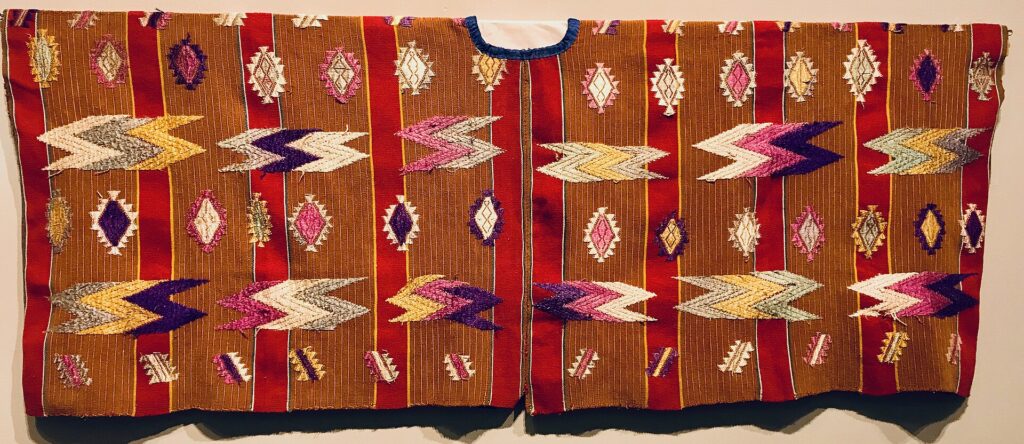
K'iche' Maya
The culture
K'iche' Maya of the Guatemalan highlands, heirs to the broader Classic Maya civilization; the Popol Vuh preserves the sacred narrative of the K'iche', written down in the mid-16th century from far older tradition.
Where
Mesoamerica: the Maya highlands of Guatemala
Time depth
The Popol Vuh was written down (in K'iche' using Latin script) around 1550–1555, but preserves narratives reaching back to the Classic Maya period and earlier: the Hero Twins appear in Maya art a thousand years and more before the written text. It is the single most important surviving Mesoamerican sacred narrative.
Living tradition
Yes: the K'iche' Maya are a living people (some two million), and the Popol Vuh remains central to Maya identity and cultural revival. Maya spiritual tradition, the calendar, and the day-keepers (ajq'ij) continue.
Language
K'iche' Maya. Originally oral, performed narrative; written down in the colonial period to preserve it, and later copied by the friar Francisco Ximénez alongside a Spanish translation. Composed in the parallel, paired poetic style characteristic of Maya sacred speech.
The world of its stories
Cosmological Structure
A layered cosmos: the sky above, the earth, and Xibalba, the underworld (the "place of fright"), realm of the Lords of Death. These are connected; the boundary is permeable, crossed by the ballgame court, the ceiba tree, and the paths of the dead. The world has been made and unmade several times; the gods sought beings who could speak and honor them, trying mud, then wood, before succeeding with people of maize.
Creation
In the beginning was only the sky and the still sea, and the gods (the Framer and Shaper, Sovereign Plumed Serpent, Heart of Sky) in the water. By their word they raised the earth, then attempted to make humanity: first from mud (which dissolved), then from wood (which had no heart or mind and was destroyed in a flood), and finally, successfully, from maize (yellow and white corn ground into the flesh of the first true people). Humanity is, literally, people of maize.
Time
Cyclical across world-ages and structured by the sacred calendar; but the Hero Twins' narrative is a great linear-cyclical arc of descent, trial, death, and rebirth. Time turns through cycles of creation and destruction, and through the ballgame's ritual cycle of death and renewal. The defeat of death by the Twins establishes the pattern by which life renews.
The Sacred
The ballgame (a sacred ritual, not mere sport, tied to the cosmic struggle of life and death). Maize, the substance of humanity. The word: the gods create by speaking, and the Popol Vuh ("Council Book" / "Book of the Community") is itself sacred speech. The Hero Twins (Hunahpu and Xbalanque), models of cleverness and self-sacrifice. The sun and moon, into which the Twins finally rise.
Death / Afterlife
Xibalba, the underworld, is ruled by the Lords of Death (One Death, Seven Death, and their fearsome company) who delight in disease, pain, and the destruction of humans. But death is not final or omnipotent: the Hero Twins descend into Xibalba, endure its trial houses, allow themselves to be killed, and rise again, ultimately defeating the Lords of Death through cleverness and self-sacrifice. Their victory establishes that death does not have the final word: life renews, as the maize renews.
Why Multi-Trial Architecture
The Hero Twins' story is built as a sequence of discrete, escalating trials: the summons to Xibalba, the deceptions on the road, and above all the trial houses (the Dark House, the Razor House, the Cold House, the Jaguar House, the Fire House, the Bat House), each a distinct and deadly test that the Twins must survive by cleverness, culminating in their willing death and triumphant rebirth and the final defeat of the Lords of Death. Each trial is a distinct test of wit and courage; the accumulation drives toward the overcoming of death itself. In the Popol Vuh the trials are the houses of Xibalba, each survived by cunning, leading to the Twins' death, resurrection and victory.
Structural Logic
A sequence of discrete, escalating trials (the trial houses), each a distinct deadly test survived by cleverness and courage, accumulating toward the confrontation with death, the willing self-sacrifice, and the triumphant rebirth. The victory is the outwitting of death through accumulated trials and the willingness to die and return.
Structural Movement
The Ballcourt (the sacred contest, the challenge that summons the descent) → the Descent (the journey into Xibalba, the deceptions of the road) → the Trial Houses (the sequence of deadly tests: Dark, Razor, Cold, Jaguar, Fire, Bat) → the Deception of the Lords (outwitting the arrogance of death) → the Willing Death (the Twins allow themselves to be killed) → the Rebirth (their return from death, transformed) → the Defeat of Death (the final overcoming of the Lords of Xibalba) → the Ascent (the Twins rise as sun and moon, life established over death).
Key figures
Supreme Being / Creator
The creator gods, Tepeu and Q'uq'umatz (the Sovereign Plumed Serpent), together with Heart of Sky (Huracan), who frame and shape the world and humanity through their word.
Major Figures
- Hunahpu and Xbalanque: the Hero Twins, the central figures, clever and brave, who avenge their father, endure the trials of Xibalba, and defeat the Lords of Death.
- One Hunahpu and Seven Hunahpu: the Twins' father and uncle, the first ballplayers, summoned and killed by the Lords of Xibalba.
- The Lords of Xibalba: One Death, Seven Death, and their retinue (Flying Scab, Gathered Blood, and others), rulers of the underworld and its trial houses.
- Xquic (Blood Moon): the maiden of Xibalba, impregnated by the severed head of One Hunahpu, who becomes the mother of the Hero Twins.
Trickster / Culture Figure
The Hero Twins are supreme tricksters. They beat the Lords of Death with cleverness and misdirection, and by being willing to die and come back. Their trickery is sacred, the means by which death is overcome.
Ancestor Figures
One Hunahpu and Seven Hunahpu, the fathers, whose death sets the whole narrative in motion and whose honoring by the Twins is part of the resolution. The first true people, made of maize, the ancestors of the K'iche'.
Who’s Who
Sacred elements
Sacred Objects
The rubber ball and the ballcourt equipment. Maize: the flesh of humanity. The blowgun of the Twins. The severed head of One Hunahpu, which speaks and engenders. The Popol Vuh itself as sacred council book.
Sacred Places
The ballcourt: the sacred arena, the threshold to Xibalba. Xibalba and its trial houses (the Dark House, the Razor House, the Cold House, the Jaguar House, the Fire House, the Bat House). The great ceiba tree connecting the worlds. The mountains and the place of the first dawn.
Sacred Practices
The ballgame as ritual. The reading of the sacred calendar by the day-keepers (ajq'ij). The recitation of the Popol Vuh. Offering and sacrifice. The honoring of the maize and the ancestors.
Sacred Prohibitions
The Lords of Death must be faced but not simply submitted to; the tradition teaches the defeat of death's arrogance through cleverness and sacrifice. The trials of Xibalba are designed to trap and destroy the unwary; do not enter their deceptions without wit. Honor the maize, the ancestors, and the sacred word.
How their stories are told
How Stories Are Told
As sacred council-book narrative, in the paired, parallel poetic style of Maya sacred speech. The Popol Vuh moves through creation, the deeds of the arrogant Seven Macaw, and above all the great arc of the Hero Twins: their father's death, their conception and birth, their trials, their descent into Xibalba, the sequence of trial houses, their deaths and rebirths, and their final victory and ascent. The Twins' story is a sequence of discrete, escalating trials, each a distinct test, accumulating toward the defeat of death.
Who Tells Them
The keepers of the Popol Vuh, the day-keepers (ajq'ij), and the community's elders and narrators; originally performed, later written to preserve.
When They Are Told
In the preservation and transmission of K'iche' sacred narrative and identity; in connection with the calendar and ritual; and today in the cultural revival of the Maya.
The Purpose of Story
To tell how the world and humanity were made, how death was faced and defeated, and how the sacred order (the maize, the sun and moon, the honoring of the gods and ancestors) was established. The Hero Twins' story teaches that death, however fearsome, does not have the final word: that cleverness, courage, and self-sacrifice can overcome it, and that life renews. Story establishes the cosmos and the triumph of life over death.
Signature Story Types
The creation narrative (the making of humanity from maize), the defeat of the arrogant Seven Macaw, and above all the epic of the Hero Twins and their trials in Xibalba: the great multi-trial descent-and-victory.
How their stories are built, step by step
English descriptive names following the Hero Twins' arc through the trials of Xibalba.
The Ballcourt (The Sacred Contest / The Summons)
Cultural meaning
The story begins at the ballcourt, the sacred arena where the cosmic contest of life and death is played. The Twins' father was summoned to Xibalba for the noise of his ballplaying and killed; now the Twins, taking up the ball, draw the same summons. The ballcourt is the threshold: the sacred contest that calls the hero toward the descent and the trials. It establishes the stakes and the challenge that begins the accumulation.
In the Popol Vuh
The noise of the ball game reaches the Lords of Death below, and in their anger they send their messengers with a summons.
Cultural teaching
In this multi-trial architecture, begin with the sacred contest or challenge that summons the hero toward the trials, the thing that draws them onto the road to the deadly tests. The ballgame is not mere sport; it is the cosmic contest that calls the descent. Establish the challenge, the stakes, the summons that will send your protagonist into the sequence of trials to come.
The Descent (The Journey into Xibalba / The Deceptions of the Road)
Cultural meaning
The Twins descend the road to Xibalba, passing through its dangers and deceptions, rivers of blood and pus, crossroads that mislead, the seated mannequins of the Lords meant to make the unwary greet wood and stone as living kings. The descent tests the hero before the trial houses proper: the road itself is a gauntlet of deception that must be navigated by cleverness (the Twins send a mosquito ahead to learn the Lords' names).
In the Popol Vuh
At the crossroads there are four roads, red, black, white and yellow, and the black road speaks up to claim the travellers.
Cultural teaching
Before the great trials, include a descent into the place of death, past deceptions that only wit can see through. The road to Xibalba is itself a test: the hero must see through misdirection and refuse the traps of arrogance. Let your protagonist's journey into the place of trials require cleverness and clear sight, defeating the deceptions of the road before the trial houses even begin.
The Trial Houses (The Sequence of Deadly Tests)
Cultural meaning
The heart of the story: the trial houses of Xibalba, each a distinct and deadly test. The Dark House (a night of total darkness), the Razor House (of cutting blades), the Cold House (of freezing hail), the Jaguar House (of ravening jaguars), the Fire House (of flame), the Bat House (of death-bats). The Twins survive each by cleverness: outwitting the blades, keeping their torch by trickery, hiding in their blowguns. This is the accumulation of discrete deadly trials, the multi-trial structure at full intensity.
In the Popol Vuh
The Lords put the Twins through the Dark House, the Razor House, the Cold House and the Jaguar House, and the Twins outwit each one.
Cultural teaching
This is the multi-trial structure's defining sequence: a series of discrete, deadly, distinct trials, each survived by cleverness rather than brute force. Do not collapse them into one challenge: let each house be its own distinct test, with its own deadly logic, survived by its own particular cunning. The accumulation of these distinct trials is the heart of your story; let them mount, each different, each barely survived.
The Deception of the Lords (Outwitting the Arrogance of Death)
Cultural meaning
The Twins turn the tables on the Lords of Death, outwitting their arrogance. Having survived the houses, they stage their own apparent deaths and, disguised as wandering performers, so dazzle the Lords with their tricks (dancing, sacrificing and reviving each other, even a dog and a person) that the Lords, in their arrogance, demand to be sacrificed and revived themselves: the trap the Twins have laid. This step is the reversal: the hero's cleverness turns death's own arrogance into its undoing.
In the Popol Vuh
Delighted by the Twins' wonders, the Lords of Death ask to be sacrificed and brought back themselves, and the Twins sacrifice them and do not bring them back.
Cultural teaching
Include a reversal in which the hero's cleverness turns the enemy's own arrogance into its undoing. The Twins do not defeat death by overpowering it; they lure it, through its own pride and appetite, into the trap of its destruction. Let your protagonist outwit the source of the trials by turning its arrogance against it: a reversal earned by all the cleverness accumulated in the trials before.
The Willing Death (The Sacrifice)
Cultural meaning
Central to the Twins' victory is their willingness to die. Before outwitting the Lords, they allow themselves to be killed (leaping into an oven, their bones ground and scattered in the river), trusting in their return. This willing death is the deepest trial: after surviving every deadly test, the Twins choose death itself as the way through. The self-sacrifice is the turning point, the trial that transcends the others.
In the Popol Vuh
Knowing they will be killed, the Twins arrange their return beforehand and jump into the oven of their own accord.
Cultural teaching
Include a willing death or ultimate sacrifice, the deepest trial, where the hero embraces the very thing the trials threatened, trusting in return. The Twins defeat death only by being willing to die. Let your protagonist reach a point where they must choose loss, death or sacrifice as the way through. This is the trial that transcends and completes all the others.
The Rebirth (The Return from Death, Transformed)
Cultural meaning
The Twins return from death, transformed. Their scattered bones re-form; they reappear, first as fish-people, then as the wandering performers who will trick the Lords. The rebirth is the fruit of the willing death: the hero returns from the ultimate trial changed and empowered, carrying the authority of having died and returned. The hero has passed through death, and comes back changed.
In the Popol Vuh
On the fifth day the Twins appear in the river as fish-people, then as two ragged wanderers who dance and work wonders.
Cultural teaching
Let the willing sacrifice bear fruit in rebirth. The hero returns from the last trial changed, with the authority of one who has passed through death. The one who returns is more than the one who died. Let your protagonist's return from their sacrifice transform them, giving them the power that comes only from having died and returned.
The Defeat of Death (The Final Overcoming)
Cultural meaning
Now the accumulated trials, the reversal, the sacrifice, and the rebirth pay off: the Twins defeat the Lords of Death. Having tricked the Lords into demanding their own sacrifice, the Twins kill them and do not revive them: and then decree that the Lords of Xibalba shall no longer receive the honor and blood they craved, their power over humanity broken. Death remains; its arrogance and dominion are what the Twins defeat. The culmination of all the trials is the overcoming of death's power.
In the Popol Vuh
The Twins tell the surviving lords of Xibalba that they will no longer receive the great offerings, and their power shrinks.
Cultural teaching
Let the culmination be the defeat of the source of the trials, but a defeat that transforms rather than merely annihilates. The Twins break the Lords' dominion and arrogance without pretending death itself is abolished; death's power over humanity is diminished, not erased. Let your story's culminating victory break the power and arrogance of what threatened the hero, a triumph earned by the whole accumulated sequence of trials, sacrifice, and rebirth.
The Ascent (Life Established Over Death)
Cultural meaning
The Twins rise into the sky, becoming the sun and the moon, their victory over death established forever in the heavens, and the way opened for the true people (of maize) to be made and to honor the gods. The ascent is the final establishment: the hero's triumph becomes a permanent feature of the cosmos, life established over death, the sacred order set for the renewal of all life. The accumulated trials end by establishing a new order.
In the Popol Vuh
The Twins rise into the sky, one as the sun and one as the moon.
Cultural teaching
End by establishing the hero's triumph as a permanent feature of the world, life established over death, a new order set for the renewal of all that follows. The Twins win, and then rise as the sun and the moon. Let your story's ending establish something lasting: a new order won by the accumulated trials, a light that renews life after the story ends.
What makes this tradition distinct
What makes this tradition distinct from all others
The Popol Vuh is the single most important surviving Mesoamerican sacred narrative, and its Hero Twins are attested in Maya art a thousand years before the written text. Its multi-trial structure, the sequence of deadly trial houses of Xibalba, is uniquely vivid and discrete, each house a distinct deadly test survived by cleverness rather than force. Its central teaching is the defeat of death by wit, willing self-sacrifice and rebirth, and its humans are made of maize. The Twins' victory establishes life over death and rises, permanently, into the sun and moon.
Cultural warnings — what NOT to do
- Do not make the Twins win by brute strength: their power is cleverness, trickery, and willing sacrifice; this is the tradition's core.
- Do not have death simply annihilated: the Popol Vuh diminishes the Lords' dominion without pretending death is abolished; honor that realism.
- Do not treat the ballgame as mere sport: it is a sacred cosmic contest of life and death.
- Do not sever the Popol Vuh from the living K'iche' Maya: they are a living people of two million, and the text is central to Maya identity and revival.
The stories
Each story with its source, where to read it and why it fits.
The StoryWorld in Full
StoryWorld · Mesoamerica — the Maya highlands of Guatemala
MAYA — Popol Vuh
Multi Trial architecture
The world as they see it
Cosmological Structure. A layered cosmos — the sky above, the earth, and Xibalba, the underworld (the "place of fright"), realm of the Lords of Death. These are connected; the boundary is permeable, crossed by the ballgame court, the ceiba tree, and the paths of the dead. The world has been made and unmade several times; the gods sought beings who could speak and honor them, trying mud, then wood, before succeeding with people of maize.
Creation. In the beginning was only the sky and the still sea, and the gods (the Framer and Shaper, Sovereign Plumed Serpent, Heart of Sky) in the water. By their word they raised the earth, then attempted to make humanity — first from mud (which dissolved), then from wood (which had no heart or mind and was destroyed in a flood), and finally, successfully, from maize (yellow and white corn ground into the flesh of the first true people). Humanity is, literally, people of maize.
Time. Cyclical across world-ages and structured by the sacred calendar; but the Hero Twins' narrative is a great linear-cyclical arc of descent, trial, death, and rebirth. Time turns through cycles of creation and destruction, and through the ballgame's ritual cycle of death and renewal. The defeat of death by the Twins establishes the pattern by which life renews.
The Sacred. The ballgame (a sacred ritual, not mere sport, tied to the cosmic struggle of life and death). Maize, the substance of humanity. The word — the gods create by speaking, and the Popol Vuh ("Council Book" / "Book of the Community") is itself sacred speech. The Hero Twins (Hunahpu and Xbalanque), models of cleverness and self-sacrifice. The sun and moon, into which the Twins finally rise.
Death / Afterlife. Xibalba, the underworld, is ruled by the Lords of Death (One Death, Seven Death, and their fearsome company) who delight in disease, pain, and the destruction of humans. But death is not final or omnipotent: the Hero Twins descend into Xibalba, endure its trial houses, allow themselves to be killed, and rise again, ultimately defeating the Lords of Death through cleverness and self-sacrifice. Their victory establishes that death does not have the final word — life renews, as the maize renews.
The powers and figures
Supreme Being / Creator
The creator gods — Tepeu and Q'uq'umatz (the Sovereign Plumed Serpent), together with Heart of Sky (Huracan) — who frame and shape the world and humanity through their word.
Major Figures
Hunahpu and Xbalanque — the Hero Twins, the central figures, clever and brave, who avenge their father, endure the trials of Xibalba, and defeat the Lords of Death.
One Hunahpu and Seven Hunahpu — the Twins' father and uncle, the first ballplayers, summoned and killed by the Lords of Xibalba.
The Lords of Xibalba — One Death, Seven Death, and their retinue (Flying Scab, Gathered Blood, and others), rulers of the underworld and its trial houses.
Xquic (Blood Moon) — the maiden of Xibalba, impregnated by the severed head of One Hunahpu, who becomes the mother of the Hero Twins.
Trickster / Culture Figure
The Hero Twins themselves are supreme tricksters — they defeat the Lords of Death not by strength but by cleverness, misdirection, and the willingness to die and return. Their trickery is sacred, the means by which death is overcome.
Ancestor Figures
Sacred things and places
Sacred Objects. The rubber ball and the ballcourt equipment. Maize — the flesh of humanity. The blowgun of the Twins. The severed head of One Hunahpu, which speaks and engenders. The Popol Vuh itself as sacred council book.
Sacred Places. The ballcourt — the sacred arena, the threshold to Xibalba. Xibalba and its trial houses (the Dark House, the Razor House, the Cold House, the Jaguar House, the Fire House, the Bat House). The great ceiba tree connecting the worlds. The mountains and the place of the first dawn.
Sacred Prohibitions. The Lords of Death must be faced but not simply submitted to; the tradition teaches the defeat of death's arrogance through cleverness and sacrifice. The trials of Xibalba are designed to trap and destroy the unwary; do not enter their deceptions without wit. Honor the maize, the ancestors, and the sacred word.
How the stories are told
How Stories Are Told. As sacred council-book narrative, in the paired, parallel poetic style of Maya sacred speech. The Popol Vuh moves through creation, the deeds of the arrogant Seven Macaw, and above all the great arc of the Hero Twins — their father's death, their conception and birth, their trials, their descent into Xibalba, the sequence of trial houses, their deaths and rebirths, and their final victory and ascent. The Twins' story is a sequence of discrete, escalating trials, each a distinct test, accumulating toward the defeat of death.
Who Tells Them. The keepers of the Popol Vuh, the day-keepers (ajq'ij), and the community's elders and narrators; originally performed, later written to preserve.
When They Are Told. In the preservation and transmission of K'iche' sacred narrative and identity; in connection with the calendar and ritual; and today in the cultural revival of the Maya.
The Purpose of Story. To tell how the world and humanity were made, how death was faced and defeated, and how the sacred order (the maize, the sun and moon, the honoring of the gods and ancestors) was established. The Hero Twins' story teaches that death, however fearsome, does not have the final word — that cleverness, courage, and self-sacrifice can overcome it, and that life renews. Story establishes the cosmos and the triumph of life over death.
Signature Story Types. The creation narrative (the making of humanity from maize), the defeat of the arrogant Seven Macaw, and above all the epic of the Hero Twins and their trials in Xibalba — the great multi-trial descent-and-victory.
The stories
The Hero Twins in Xibalba
Source Popol Vuh — the descent of Hunahpu and Xbalanque into Xibalba, the trial houses, their death and rebirth, and the defeat of the Lords of Death
Public domain access Delia Goetz and Sylvanus Morley's English translation of Recinos's Spanish version (public domain); the Ximénez manuscript; widely available via Internet Archive and academic archives
Why it fits The definitive multi-trial narrative — the sequence of deadly trial houses survived by cleverness, culminating in willing sacrifice, rebirth, and the defeat of death
The Creation of Humanity from Maize
Source Popol Vuh — the gods' attempts to make humanity (mud, wood, and finally maize)
Public domain access Goetz/Morley/Recinos translation (public domain); Internet Archive
Why it fits The establishing of the cosmic order and humanity's nature — the foundation into which the Twins' victory over death opens, the new order established
The Fall of Seven Macaw
Source Popol Vuh — the Twins' defeat of the arrogant, false "sun" Seven Macaw and his sons
Public domain access Goetz/Morley/Recinos translation (public domain); Internet Archive
Why it fits An earlier trial-sequence establishing the Twins' method — defeating arrogance through cleverness rather than force, the pattern the great Xibalba trials will fulfill
How their stories move
The Hero Twins' story is built as a sequence of discrete, escalating trials — the summons to Xibalba, the deceptions on the road, and above all the trial houses (the Dark House, the Razor House, the Cold House, the Jaguar House, the Fire House, the Bat House), each a distinct and deadly test that the Twins must survive by cleverness, culminating in their willing death and triumphant rebirth and the final defeat of the Lords of Death. Each trial is a distinct test of wit and courage; the accumulation drives toward the overcoming of death itself. This is multi-trial architecture in its Mesoamerican form: the sequence of deadly houses, survived by cunning, leading to resurrection and victory.
A sequence of discrete, escalating trials (the trial houses), each a distinct deadly test survived by cleverness and courage, accumulating toward the confrontation with death, the willing self-sacrifice, and the triumphant rebirth. The victory is not brute conquest but the outwitting of death through accumulated trials and the willingness to die and return.
This culture
People · K'iche' Maya of the Guatemalan highlands, heirs to the broader Classic Maya civilization; the Popol Vuh preserves the sacred narrative of the K'iche', written down in the mid-16th century from far older tradition.
Place · Mesoamerica — the Maya highlands of Guatemala
Depth · The Popol Vuh was written down (in K'iche' using Latin script) around 1550–1555, but preserves narratives reaching back to the Classic Maya period and earlier — the Hero Twins appear in Maya art a thousand years and more before the written text. It is the single most important surviving Mesoamerican sacred narrative.
Living · Yes — the K'iche' Maya are a living people (some two million), and the Popol Vuh remains central to Maya identity and cultural revival. Maya spiritual tradition, the calendar, and the day-keepers (ajq'ij) continue.
Multi Trial worlds
HINDU EPIC — Mahabharata
FINNISH KALEVALA — Väinämöinen
NGUNI — Zulu / Xhosa
SUMERIAN — Gilgamesh / Inanna
MANDÉ / SUNDIATA — Epic Cycle
CHINESE — Wuxia (武俠) / The Martial World
What makes this tradition distinct
The Popol Vuh is the single most important surviving Mesoamerican sacred narrative, and its Hero Twins are attested in Maya art a thousand years before the written text. Its multi-trial structure — the sequence of deadly trial houses of Xibalba — is uniquely vivid and discrete, each house a distinct deadly test survived by cleverness rather than force. Its central teaching is the defeat of death not by brute strength but by wit, willing self-sacrifice, and rebirth, and its humans are literally people of maize. The Twins' victory establishes life over death and rises, permanently, into the sun and moon.
Mythology Catalog
- Why it fits: An earlier trial-sequence establishing the Twins' method — defeating arrogance through cleverness rather than force, the pattern the great Xibalba trials will fulfill
GriotsWell · Simplified Lore Library · Maya (Popol Vuh) · July 2026
The Guide
GriotsWell StoryWorlds · Guide
K'iche' Maya sacred narrative — the Popol Vuh and the Hero Twins
Multi Trial architecture · 8 steps
How it moves
- The Ballcourt — The Sacred Contest / The Summons
- The Descent — The Journey into Xibalba / The Deceptions of the Road
- The Trial Houses — The Sequence of Deadly Tests
- The Deception of the Lords — Outwitting the Arrogance of Death
- The Willing Death — The Sacrifice
- The Rebirth — The Return from Death, Transformed
- The Defeat of Death — The Final Overcoming
- The Ascent — Life Established Over Death
The Ballcourt (the sacred contest, the challenge that summons the descent) → the Descent (the journey into Xibalba, the deceptions of the road) → the Trial Houses (the sequence of deadly tests — Dark, Razor, Cold, Jaguar, Fire, Bat) → the Deception of the Lords (outwitting the arrogance of death) → the Willing Death (the Twins allow themselves to be killed) → the Rebirth (their return from death, transformed) → the Defeat of Death (the final overcoming of the Lords of Xibalba) → the Ascent (the Twins rise as sun and moon, life established over death). ---
Why it is told this way
A sequence of discrete, escalating trials (the trial houses), each a distinct deadly test survived by cleverness and courage, accumulating toward the confrontation with death, the willing self-sacrifice, and the triumphant rebirth. The victory is not brute conquest but the outwitting of death through accumulated trials and the willingness to die and return.
To tell how the world and humanity were made, how death was faced and defeated, and how the sacred order (the maize, the sun and moon, the honoring of the gods and ancestors) was established. The Hero Twins' story teaches that death, however fearsome, does not have the final word — that cleverness, courage, and self-sacrifice can overcome it, and that life renews. Story establishes the cosmos and the triumph of life over death.
What this StoryWorld asks
- Are your trials discrete, distinct, deadly "houses," each survived by particular cleverness rather than force?
- Does your hero defeat the threat by outwitting its arrogance rather than overpowering it?
- Is there a willing sacrifice — an embrace of death (or its equivalent) as the paradoxical path through?
- Does the victory establish something permanent and cosmic (like the Twins becoming sun and moon)?
At a glance
People K'iche' Maya of the Guatemalan highlands, heirs to the broader Classic Maya civilization; the Popol Vuh preserves the sacred narrative of the K'iche', written down in the mid-16th century from far older tradition.
Region Mesoamerica — the Maya highlands of Guatemala
Time depth The Popol Vuh was written down (in K'iche' using Latin script) around 1550–1555, but preserves narratives reaching back to the Classic Maya period and earlier — the Hero Twins appear in Maya art a thousand years and more before the written text.
Living tradition Yes — the K'iche' Maya are a living people (some two million), and the Popol Vuh remains central to Maya identity and cultural revival. Maya spiritual tradition, the calendar, and the day-keepers (ajq'ij) continue.
How it is carried K'iche' Maya. Composed in the parallel, paired poetic style characteristic of Maya sacred speech. ---
“They played ball on the road to Xibalba, and the Lords of Death heard them, and were angered, and sent their summons.”— Popol Vuh
Keep faith with it
- Do not make the Twins win by brute strength — their power is cleverness, trickery, and willing sacrifice; this is the tradition's core. - Do not have death simply annihilated — the Popol Vuh diminishes the Lords' dominion without pretending death is abolished; honor that realism. - Do not treat the ballgame as mere sport — it is a sacred cosmic contest of life and death.